CELEBRATING EXCELLENCE: CSIR-CROPS RESEARCH INSTITUTE SCIENTISTS SHINE IN GLOBAL RANKINGS

The CSIR – Crops Research Institute (CSIR-CRI) has once again affirmed its place as a powerhouse of agricultural research and innovation, following the release of the AD Scientific Index 2026 rankings. The latest global assessment highlights the remarkable contributions of Ghanaian scientists, with several researchers from CSIR-CRI earning prestigious positions among the country’s top-ranked scientists.
This recognition is not merely a celebration of individual achievement—it is a testament to the Institute’s enduring commitment to advancing agricultural science, strengthening food security, and driving sustainable development in Ghana and beyond.
From agronomy to conservation agriculture, and from plant breeding to biotechnology, researchers at the CSIR – Crops Research Institute have made their mark on one of the world’s most rigorous scientific ranking systems — a milestone that reflects decades of dedicated work in the service of Ghanaian agriculture and the global scientific community.
The AD Scientific Index, published by AD Scientific Index Inc. ranks scientists globally based on the productivity and impact of their research over both their entire careers and the preceding five years. Metrics include the h-index, i10-index, and total citation counts — indicators that together paint a picture of how far a researcher’s work has travelled, and how much it has shaped the thinking of scholars around the world.
For a research institution whose primary mandate is the improvement of food crops and agricultural productivity in Ghana, this recognition is no small feat. The CSIR – Crops Research Institute, headquartered in Fumesua near Kumasi, has been at the heart of Ghana’s agricultural science ecosystem for over five decades. Its scientists have developed improved crop varieties, advanced integrated pest management, and contributed to the country’s food security agenda — and the 2026 rankings confirm that this work is receiving the international scholarly recognition it deserves.
The Ranked Scientists

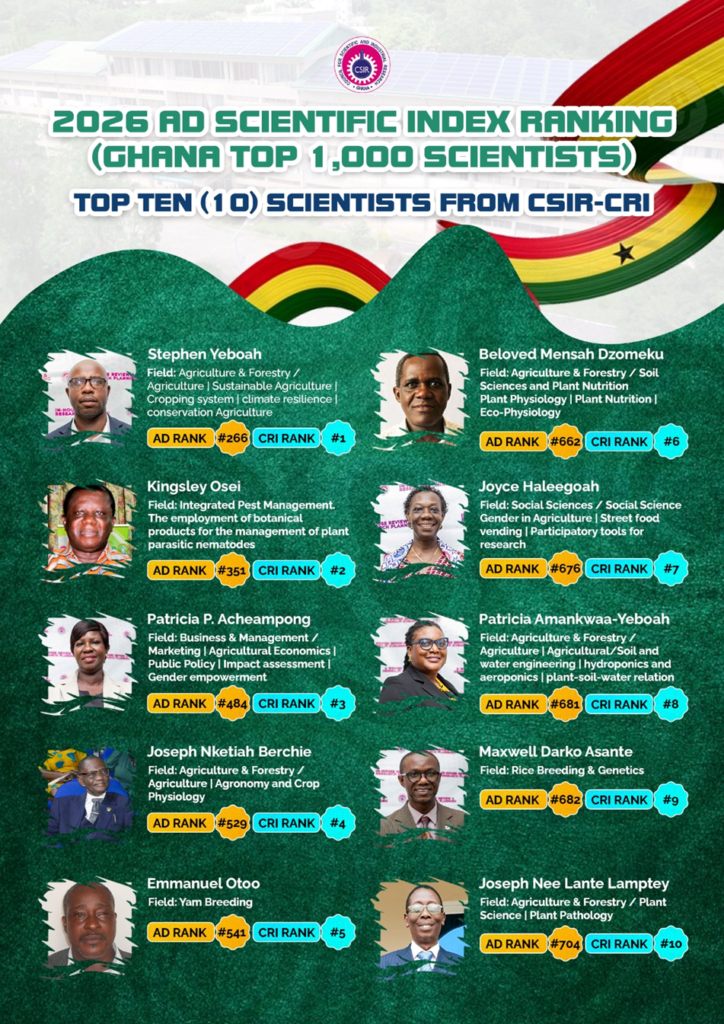
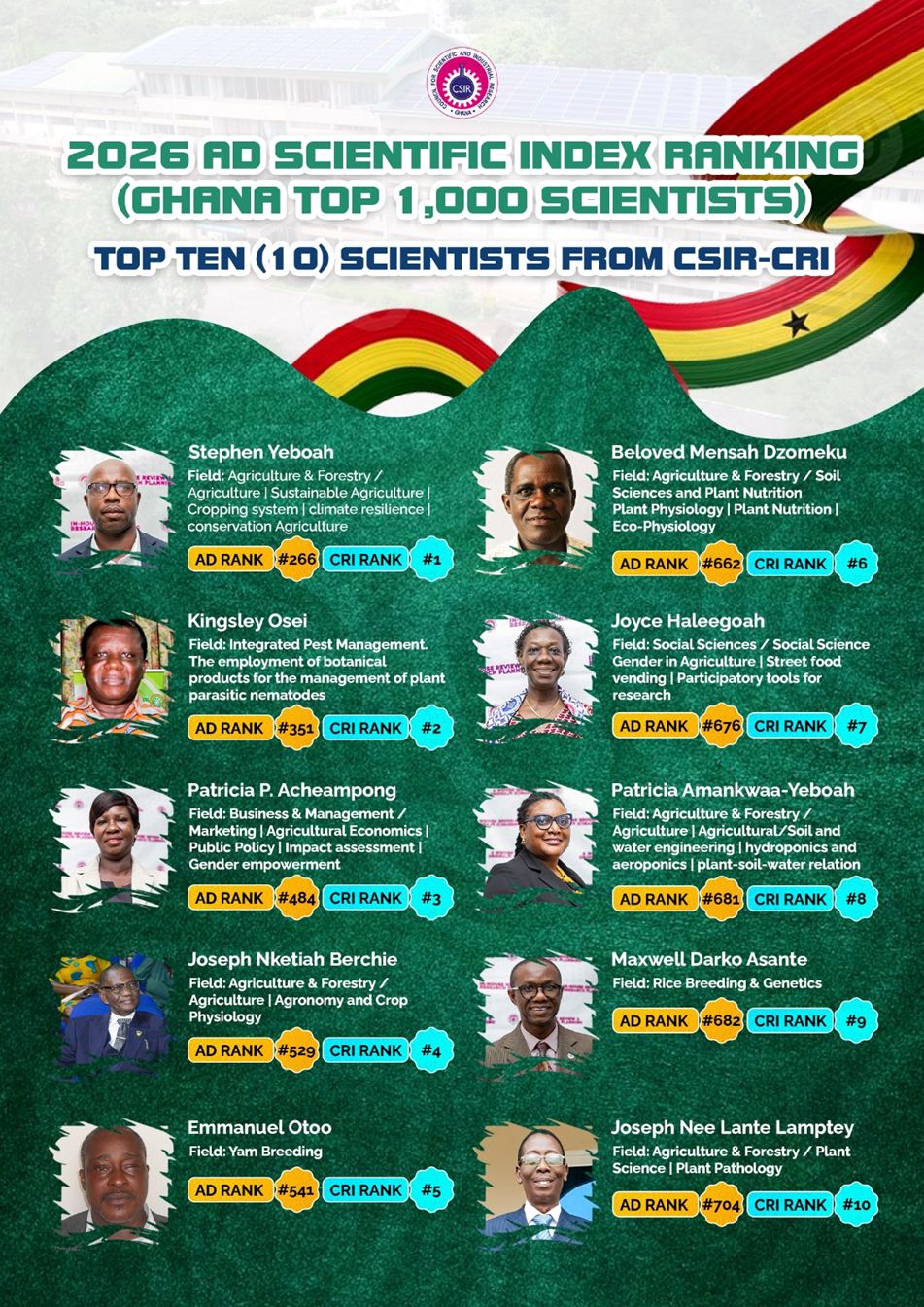
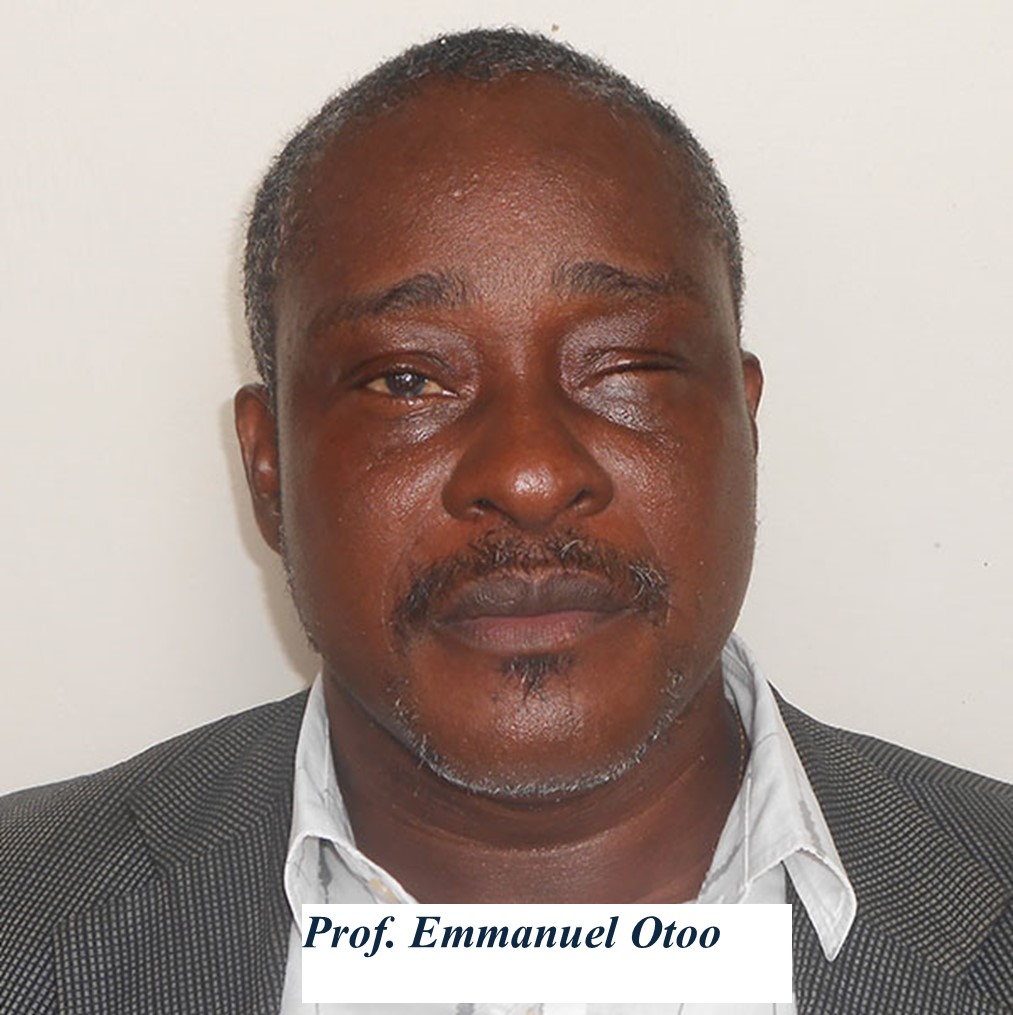
Leading the CSIR-CRI cohort is Dr. Stephen Yeboah, an agronomist and a Senior Research Scientist at the Institute, who is ranked number 1 at the Institute and 266 in Ghana, followed by Dr. Kingsley Osei (351) and Dr. Patricia Pinamang Acheampong (484). Other top ranked scientists include the late Prof. Joseph Nketia Berchie (529), Prof. Emmanuel Otoo (541), and Dr. Beloved Mensah Dzomeku(662).
Completing the top ten
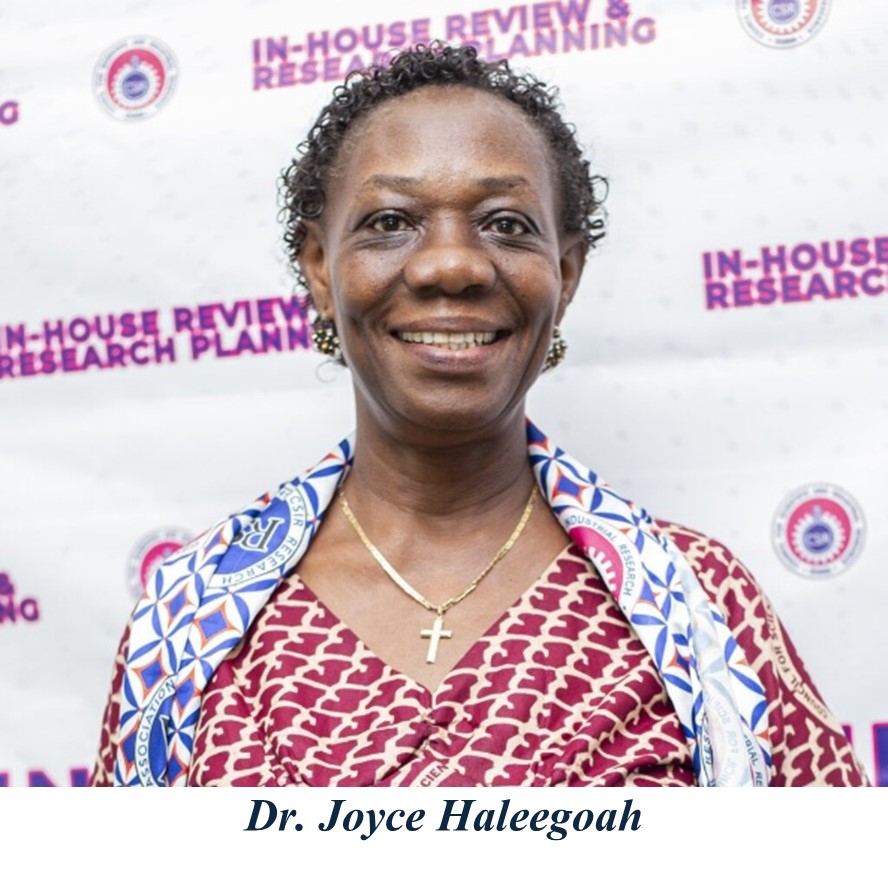
(10) ranks at the Institute are Dr. Joyce Haleegoah (676), Ing. Dr. Patricia Amankwaa-Yeboah (681), Prof. Maxwell Darko Asante (682) and Prof. Joseph Nee Lante Lamptey (704). Other entries within the top one thousand (1000) rankings were Dr. Ralph Bam, Prof. Stella Ama Ennin and Dr. Eric Owusu Danquah.
What the numbers mean
The h-index and i10-index are among the most widely used measures of academic productivity and impact. An h-index of 24 — as achieved by Dr. Stephen Yeboah, the institute’s highest-ranked scientist — means that he has published at least 24 papers each cited at least 24 times. The i10-index counts publications with at least 10 citations, giving a broader picture of consistent scholarly contribution.
Dr. Stephen Yeboah leads the institute’s contingent at national rank 266, with an h-index of 24 and 1,879 total citations. His focus on sustainable agriculture, cropping systems, climate resilience, and conservation agriculture places him at the intersection of two of the most urgent conversations in global food systems: how to feed a growing population while adapting to a rapidly changing climate. With 70% of his citations accruing within the last five years, his research momentum is clearly building.

Dr. Kingsley Osei’s 4,623 total citations demonstrate the enduring reach of his work on integrated pest management and botanical approaches to plant parasitic nematodes while Prof. Maxwell Darko Asante’s rice breeding and genetics research speaks directly to Ghana’s rice self-sufficiency agenda.
Additionally, Dr. Ralph Bam’s seed stress biology and ecophysiology work supports the development of crop varieties resilient to erratic rainfall, while Dr. Eric Owusu Danquah’s portfolio, bridging agronomic research, climate change, and agroforestry, exemplifies the systems-level thinking that modern food security demands.
Dr. Patricia Pinamang Acheampong, ranked 484 nationally, brings a multidisciplinary lens to agricultural science, combining expertise in agricultural economics, public policy, impact assessment, and gender empowerment. With an h-index of 19 and 1,021 total citations, her work addresses some of the most pressing human dimensions of food systems — from how policy shapes farming practice to how gender equity can be strengthened within agricultural value chains. Her scholarship demonstrates that transforming agriculture is not only a technical challenge but a social and economic one as well.

Ing. Dr. Patricia Amankwaa-Yeboah, ranked 681 nationally, contributes to the vital field of agricultural and soil and water engineering, with her work spanning hydroponics and aeroponics, plant-soil-water relations, and agricultural water systems. With an h-index of 16 and 829 total citations, her engineering approach to soil and water management underpins the institute’s capacity
to develop cropping solutions that are resilient in the face of variable rainfall and changing climatic conditions — a critical frontier as Ghana’s farming communities navigate an increasingly unpredictable environment.

Ghana’s national research institutions — distinct from universities — often operate outside the spotlight that university-based science tends to attract. Rankings like the AD Scientific Index help correct that imbalance, making visible the intellectual contributions of scientists who have dedicated their careers to applied, mission-driven research. For the CSIR – Crops Research Institute, having thirteen (13) researchers appear in the national top 1,000 is a powerful signal:
that the institute attracts and retains scientists of genuine world-class calibre, and that the work being done in Fumesua and Kwadaso is resonating far beyond Ghana’s borders.
It is also a moment of celebration. Behind every citation is a peer who found value in a paper. Behind every h-index point is a body of work that changed — however incrementally — how the world understands crops, food, and farming. These researchers deserve recognition not just for the numbers they have accumulated, but for what those numbers represent: a lifetime of contributions to the science that feeds us.
Beyond accolades, these achievements serve as inspiration for emerging scientists, students, and young researchers across Ghana. They demonstrate that world-class research can be conducted locally, with global impact.
As CSIR-CRI continues to invest in research capacity, infrastructure, and partnerships, the future promises even greater visibility and influence for Ghanaian agricultural science.
The 2026 rankings mark another milestone in CSIR-CRI’s journey of excellence. With a strong foundation of scientific leadership and innovation, the Institute is well-positioned to continue shaping the future of agriculture in Ghana and contributing to global solutions for food security and sustainability.
CSIR-CRI celebrates its scientists—not only for their rankings, but for their unwavering dedication to advancing knowledge and transforming lives.
Ayekoo!!!!!