
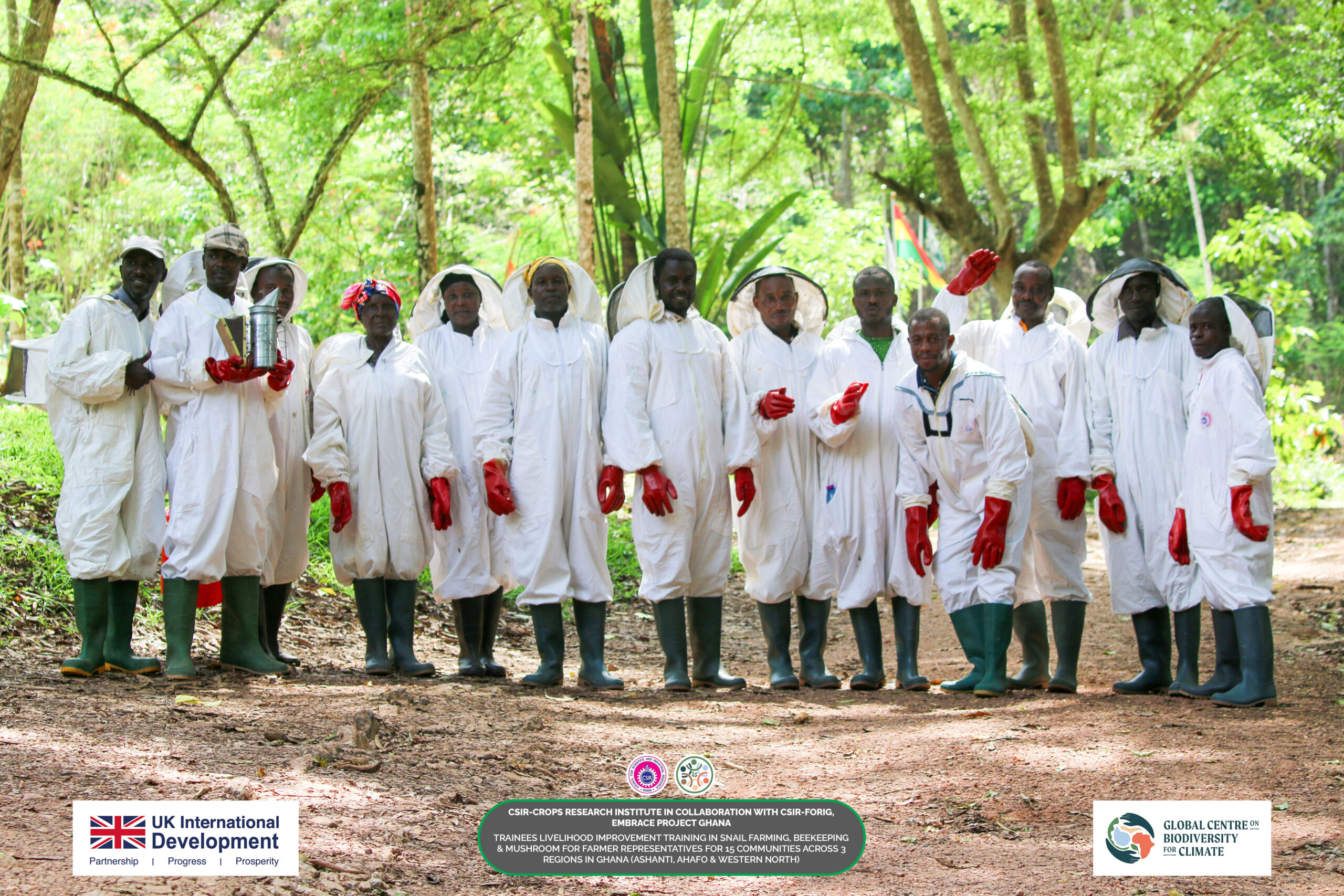
A 3-Day Training on Livelihood Enhancement Activities Organised for EMBRACE Project Beneficiaries in Ghana: A Step Towards Sustainable Agriculture
As part of the EMBRACE Project – a Ghana–Kenya initiative focused on biodiversity conservation and livelihood enhancement through agroforestry—the CSIR-Crops Research Institute organised a training at the CSIR-Forestry Research Institute of Ghana in Kumasi from 23rd to 25th March 2026 for participants from EMBRACE project communities and other technical officers. The EMBRACE project covers the Ashanti, Ahafo and Western North regions of Ghana.
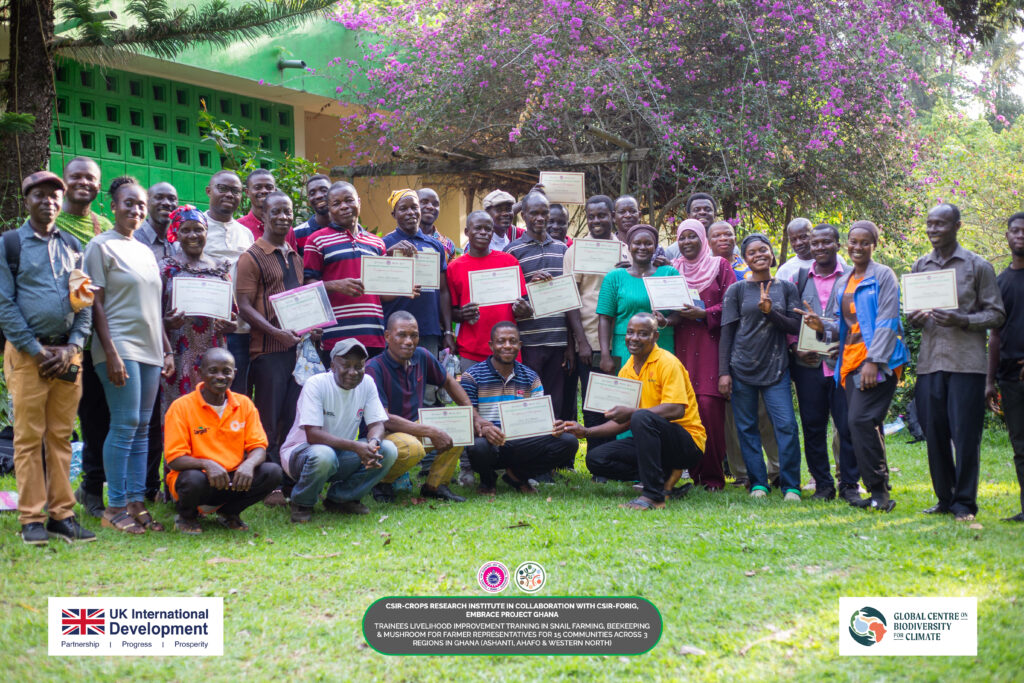
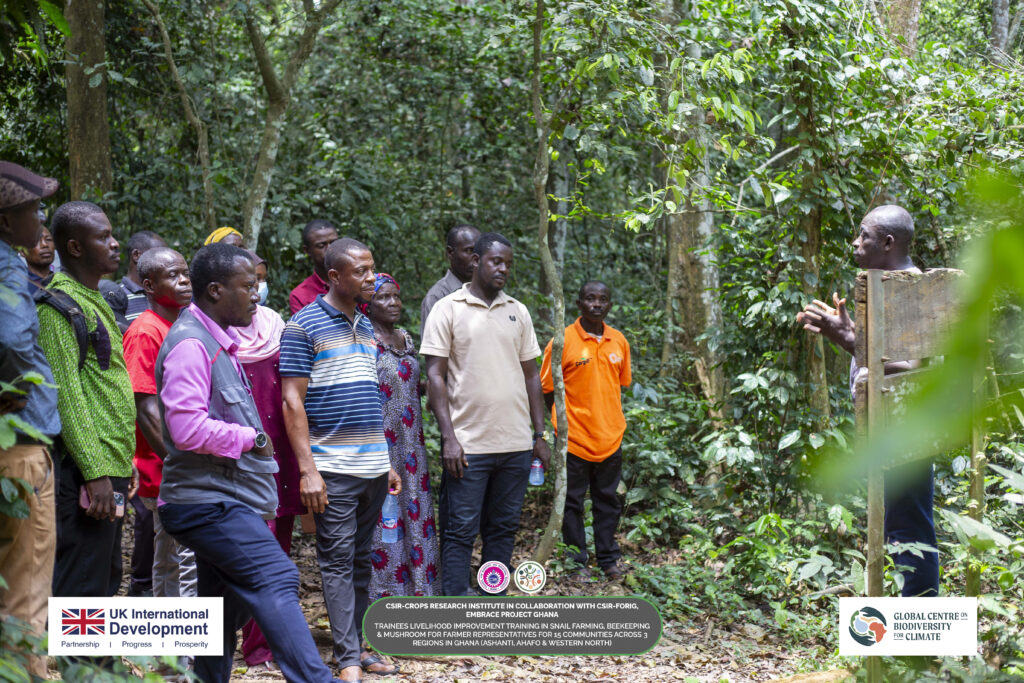
This three-day training program aimed to equip participants with practical skills in snail farming, mushroom production, and bee-keeping, while highlighting their potential as sustainable agricultural practices and viable income-generating ventures.
Day 1: Opening Ceremony and Snail Farming Training
The programme commenced with opening remarks by Mrs. Naomi Owusu Appiah, Director of Commercialisation at CSIR. She welcomed attendees and emphasised the importance of snail farming, mushroom production, and beekeeping as profitable and environmentally sustainable businesses. She reaffirmed CSIR’s commitment to promoting sustainable agriculture and assisting stakeholders in adopting innovative farming practices.
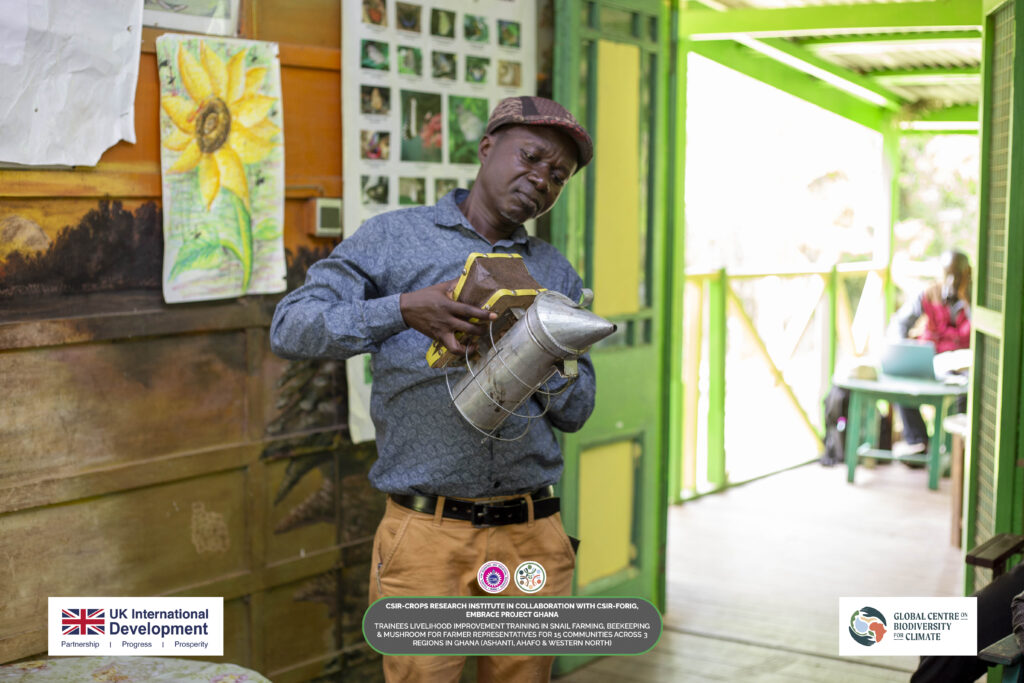
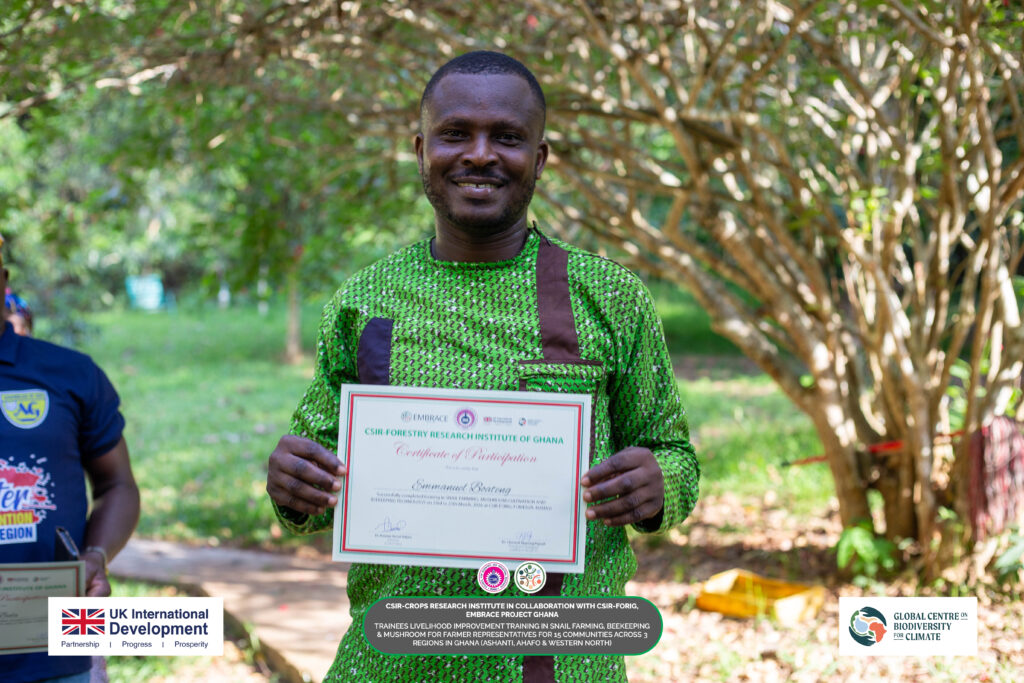
Dr. Clement Oppong Peprah, Principal Investigator of the EMBRACE Project, encouraged participants to engage actively in the training and to share the knowledge gained within their communities to maximise impact.
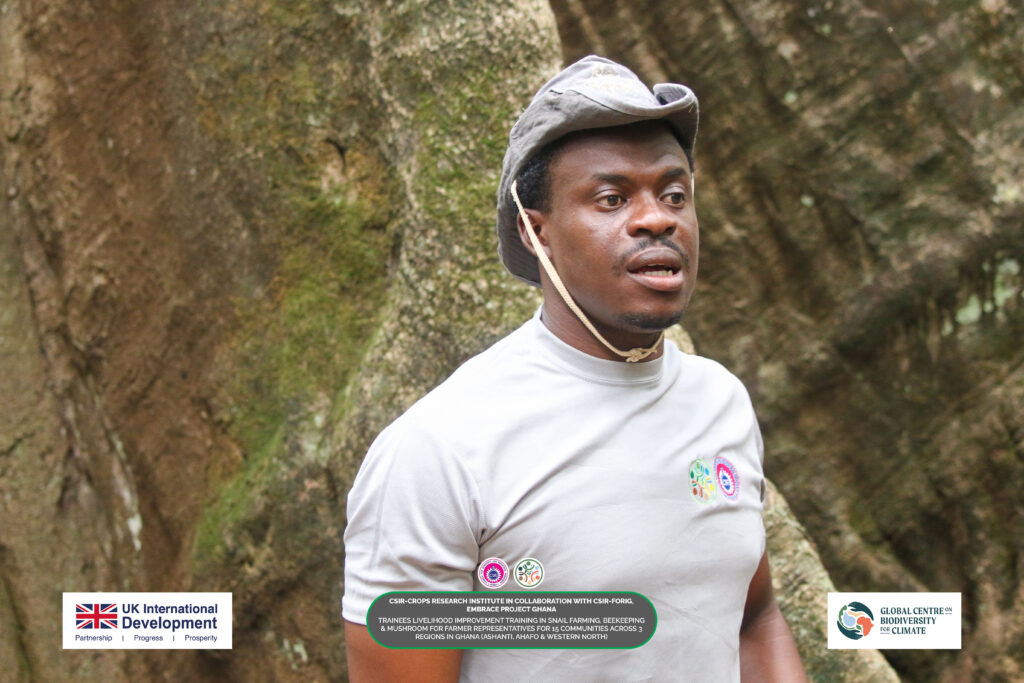
In her presentation as a facilitator, Mrs Owusu Appiah gave a detailed overview of snail farming, highlighting its environmental benefits, economic sustainability, and nutritional value. She pointed out that snail farming is environmentally friendly, requires relatively low initial investment, and is a rich source of nutrients like iron and calcium.
Mr. Elvis Ankomah delivered an in-depth session on the biology and classification of commonly consumed edible snails in Ghana and West Africa. His presentation covered their reproductive cycles, behaviour, and ecological adaptations.
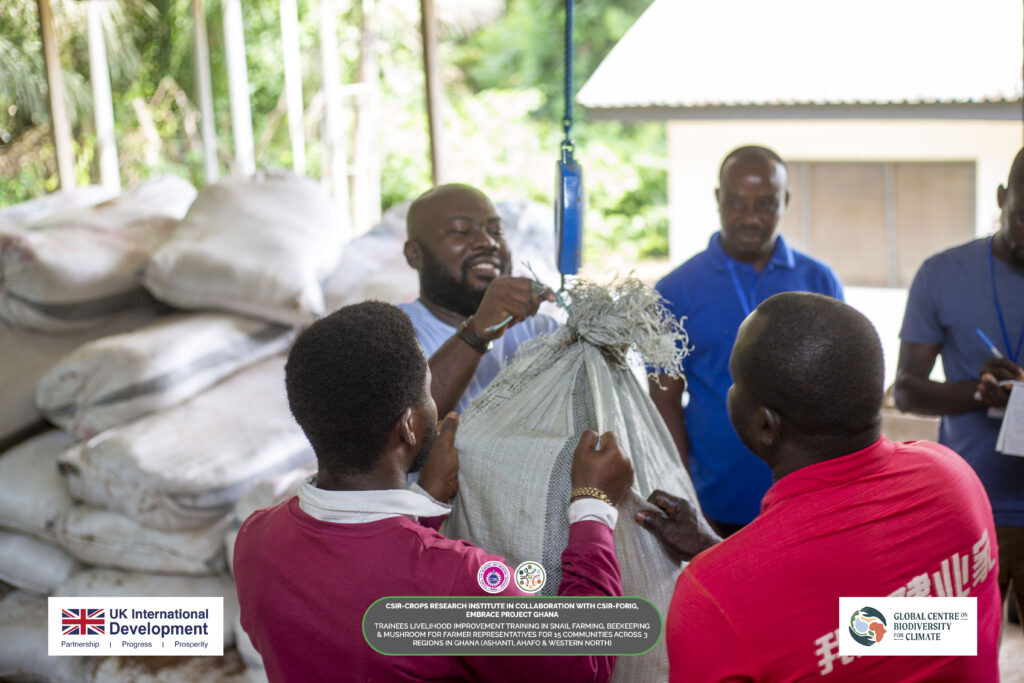
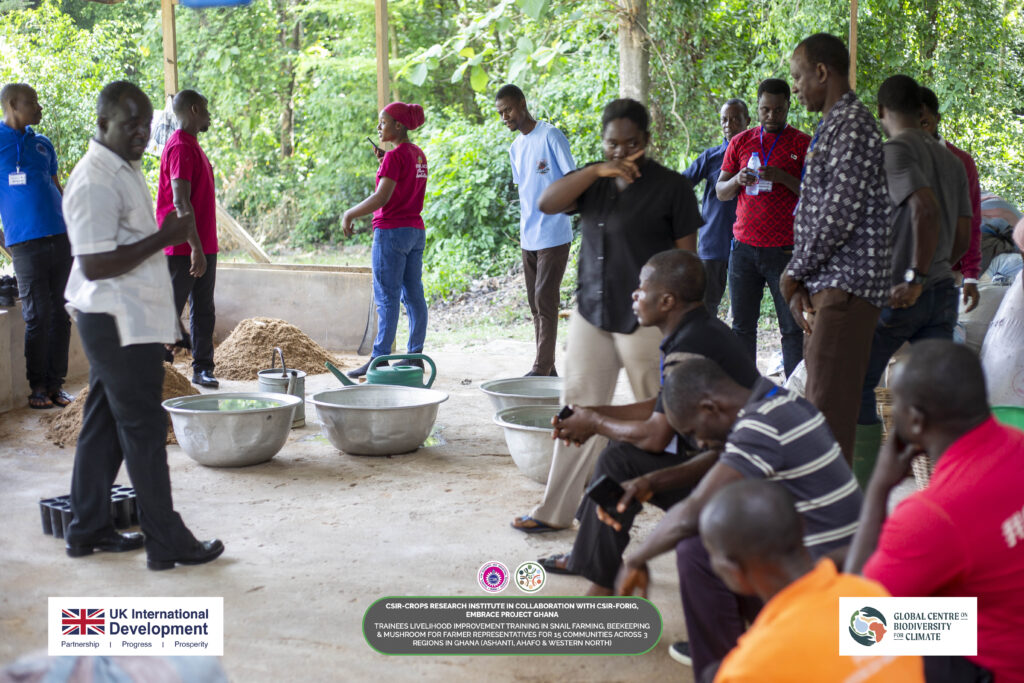
Mr. Kwame Bonsu, an Extension Officer, emphasised the importance of maintaining proper environmental conditions for snail farming. He discussed key factors such as temperature, humidity, and soil composition, and shared practical management techniques, including the use of dried broad leaves, stepping stones, and regular moisture control through water sprinkling.
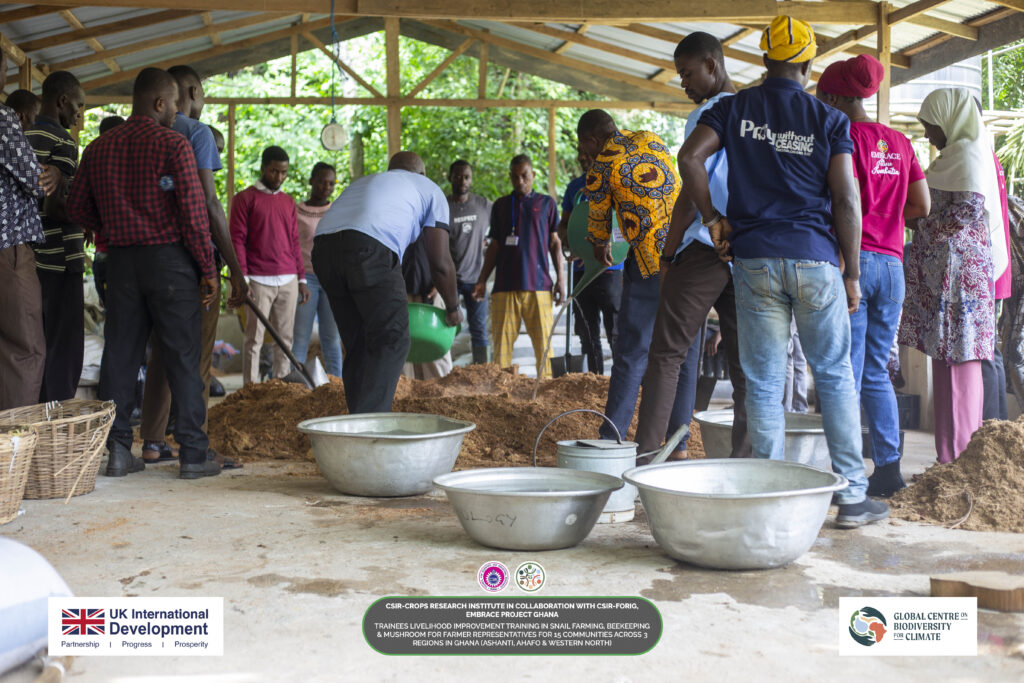
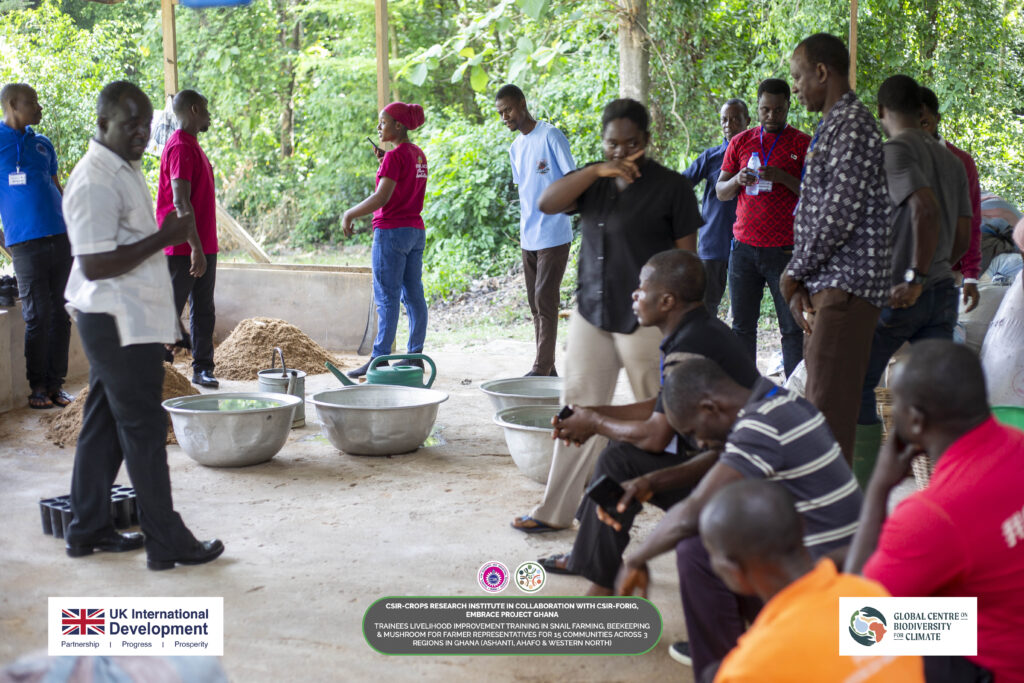
Practical Session and Participant Engagement
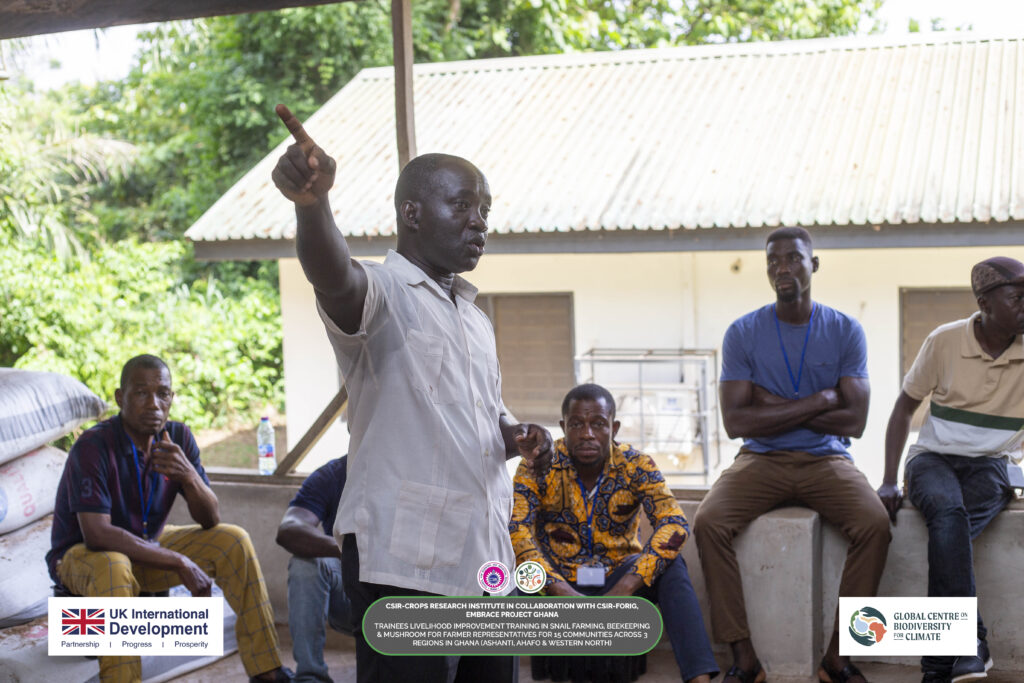
Participants visited the demonstration centre to gain practical experience in snail farming techniques. This hands-on approach reinforced theoretical lessons and enabled participants to observe best practices firsthand.
The session concluded with an interactive discussion where participants shared insights and reflected on their learning experiences. By the end of the first day, participants were well-prepared to transfer knowledge and skills to their respective communities, thereby improving livelihoods and supporting biodiversity conservation.
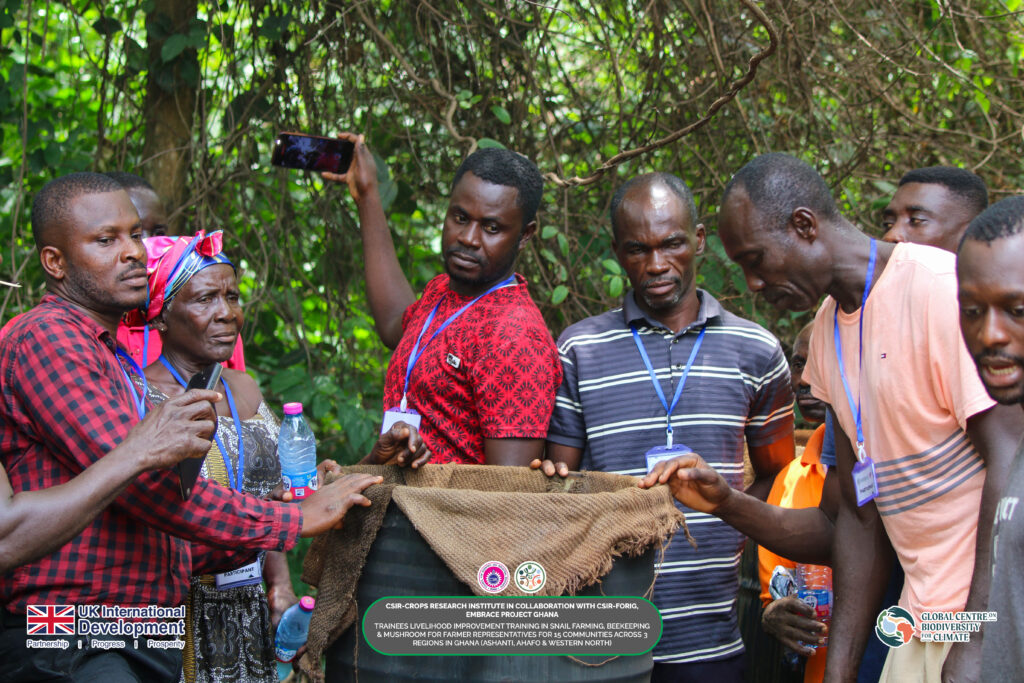
Days 2 and 3: Integrated Sustainable Mushroom Production and Bee-keeping
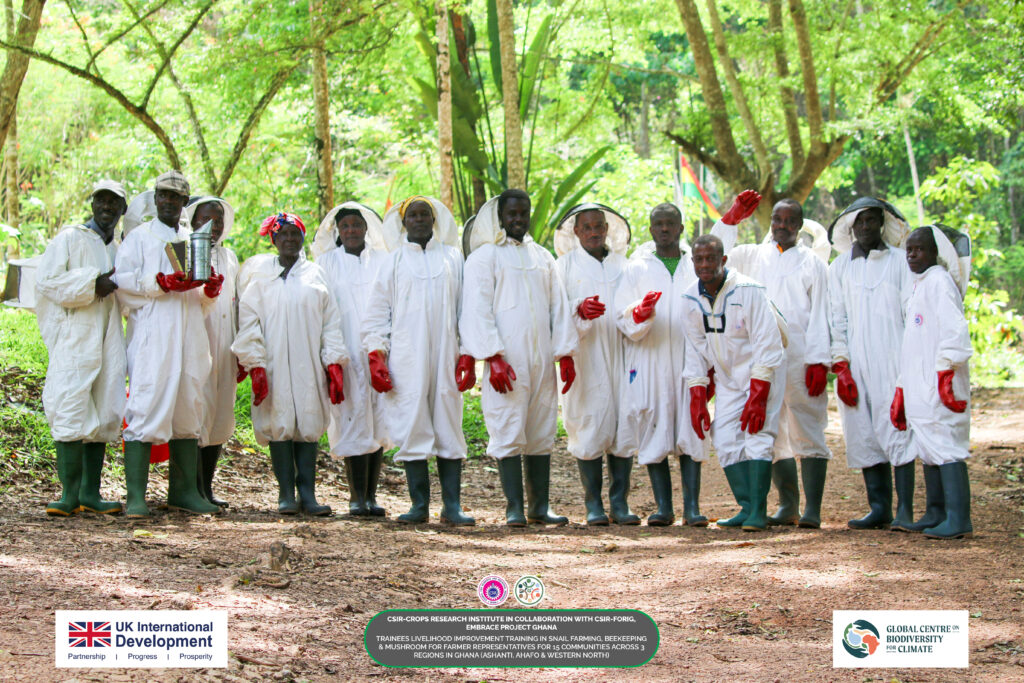
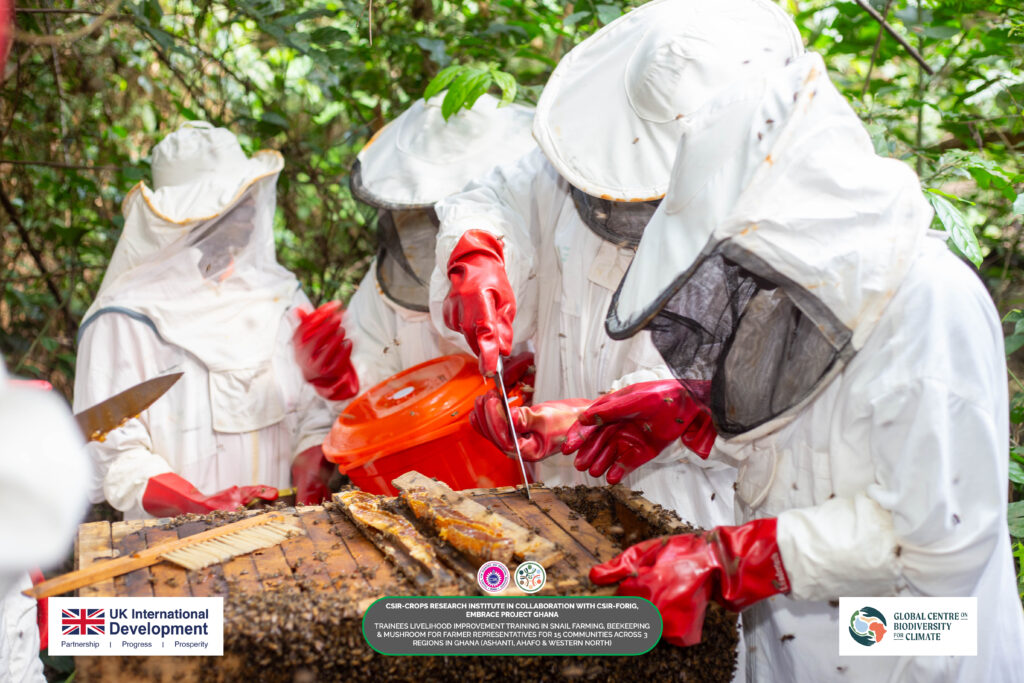
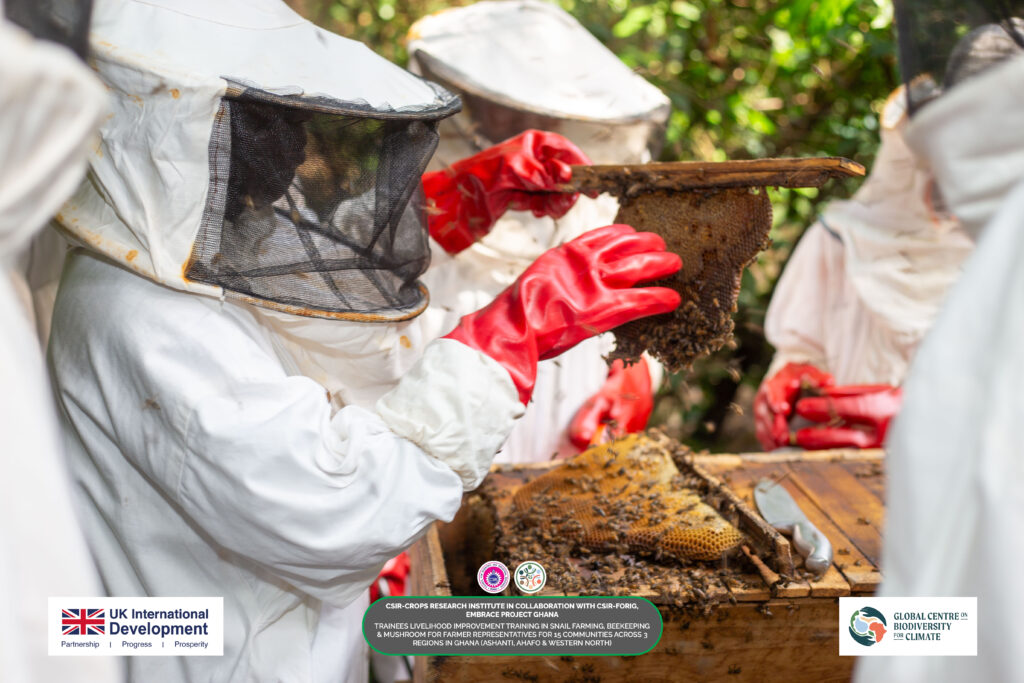
The second and third days of the training expanded participants’ knowledge base to include mushroom production and bee-keeping. These sessions offered a broader understanding of complementary sustainable agriculture practices that can improve income diversification and environmental stewardship.
Conclusion
The training marks a crucial step towards promoting sustainable agriculture and enhancing rural livelihoods in Ghana. Through initiatives like the EMBRACE Project, communities are gaining practical skills in agroforestry and related enterprises.
These efforts are expected to yield long-term benefits, including enhanced biodiversity conservation, greater income opportunities, and strengthened resilience in rural communities.
Contributors: Lynda Gifty Serwaa Nsafoah, Clara Kwakye Boateng
