TRANSFORMING RICE PRODUCTION, ONE SEED AT A TIME
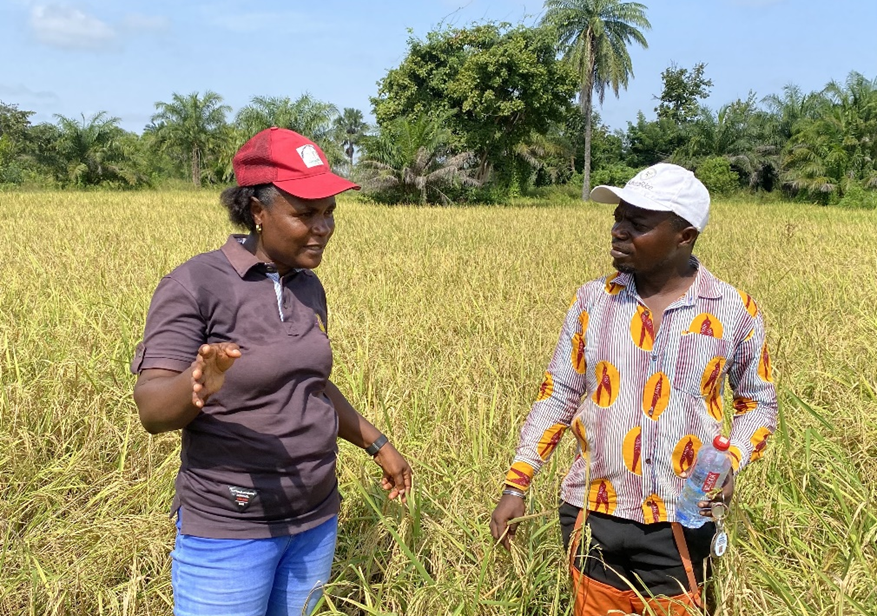
Ghana is on a mission to change its agricultural narrative and move towards total self-sufficiency. The country’s growing demand for rice tells a story that is both promising and urgent. Over the years, rice has become a staple in many homes, driven by population growth, urban lifestyles, and changing food preferences. Yet, despite this rising demand, the country continues to rely heavily on imports, spending a staggering 560 million USD on rice imports in 2022 alone. Bridging this gap is not just about producing more rice—it starts with ensuring farmers have access to the right kind of seed.
This is the vision behind the “Harnessing Agricultural Productivity and Prosperity for Youth” (HAPPY) Programme, an ambitious initiative designed to transform agriculture while creating opportunities for young people. Supported by the Mastercard Foundation in partnership with the Ministry of Food and Agriculture and Agri-Impact Limited, the programme is helping to strengthen key agricultural value chains, including rice.
As part of this effort, the CSIR-Crops Research Institute was tasked with producing high-quality early generation seed of Legon Rice 1, a variety known for its strong performance under local conditions. These classes of seed are not the ones farmers plant directly on a large scale, but they are the foundation from which all other certified seeds are produced. Simply put, without them, farmers would not have access to reliable, high-yielding planting material.
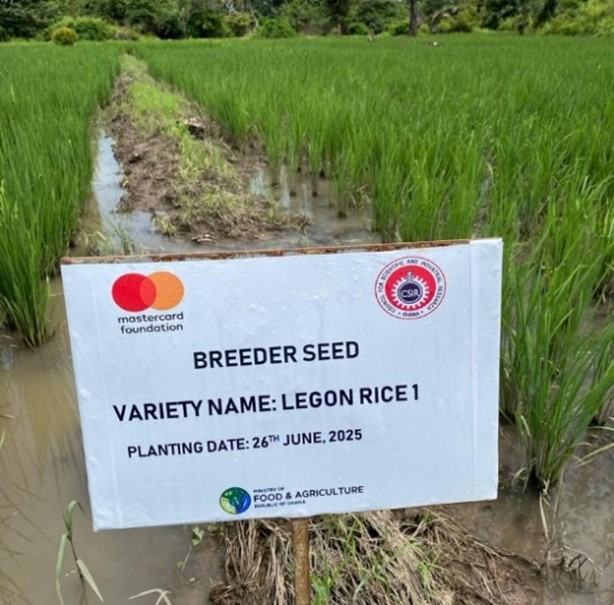
The work took place at Ejura-Teacherkrom in the Ashanti Region, where a dedicated team of researchers and field staff carefully nurtured the crop from nursery stage to harvest. The process required patience and precision, with constant monitoring to ensure that the seeds maintained their quality. Every stage, from planting to harvesting, was closely supervised, with regular inspections to ensure that national standards were met.
The season, however, was not without its challenges. A prolonged drought affected many parts of the country, including the project site. Water became a limiting factor, and additional effort and resources were needed to keep the crop healthy. Despite these difficulties, the team remained focused, adapting their approach and ensuring that the fields were well managed throughout the season.
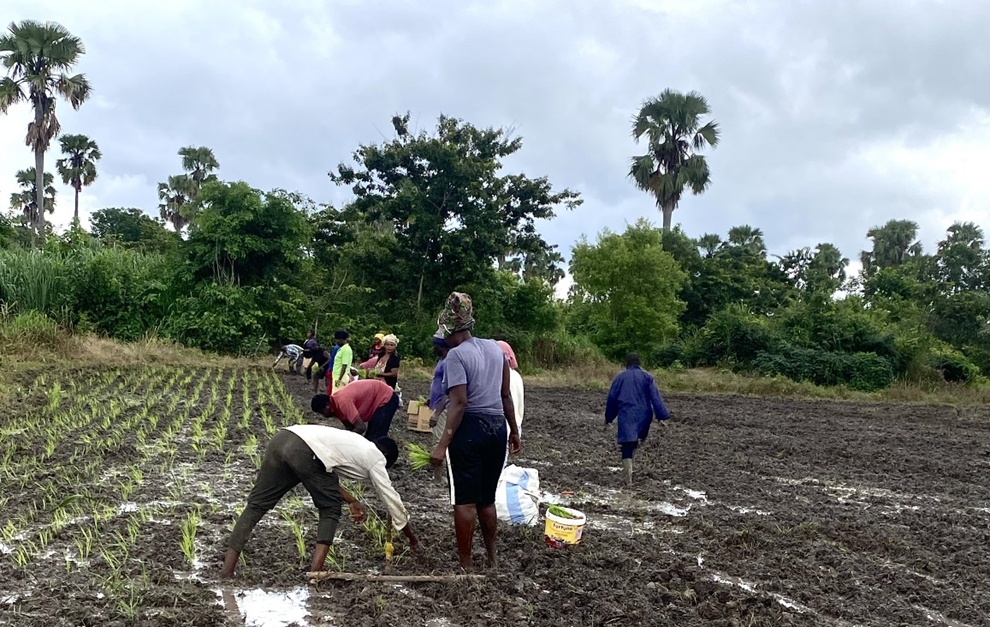
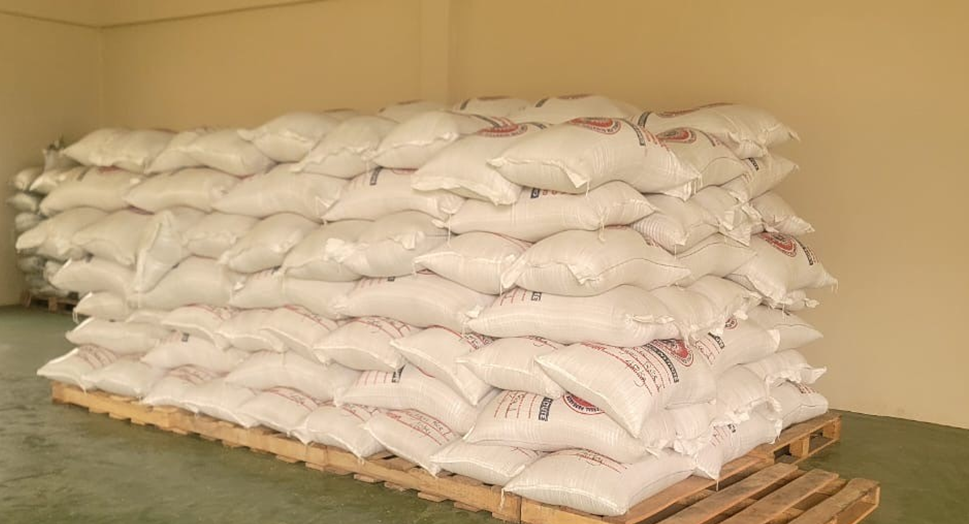
By the time harvesting was completed in December 2025, the results were encouraging. The team had produced 0.5 metric tons of breeder seed and 7.10 metric tons of foundation seed, exceeding the project target for foundation seeds by 100 kg. These seeds have since been processed, carefully stored, and are ready to support the next stage of certified seed production.
Beyond the numbers, the impact of this work is far-reaching. The seeds produced will eventually reach farmers across the country, helping them achieve better yields and more reliable harvests. This contributes directly to reducing Ghana’s dependence on imported rice while strengthening the local agricultural economy. It also aligns with a broader goal of creating meaningful opportunities for young people within the agricultural sector.
What makes this achievement particularly significant is that it was realized under difficult conditions. It reflects not only the strength of scientific research but also the dedication of the people behind it—scientists, technicians, and field workers who worked tirelessly to ensure success.
As these seeds move from research fields into farmers’ hands, they carry with them the promise of increased productivity and a more self-sufficient future. In many ways, this effort represents a quiet but powerful step toward transforming Ghana’s rice sector—one that begins with something as small, yet as important, as a single seed.
The HAPPY Programme is about more than just seeds; it is an ambitious effort built on three key pillars: increasing productivity in value chains like rice and poultry, fostering entrepreneurship and market development, and advancing social inclusion for youth and women. By successfully securing the “parent” seeds of Legon Rice 1, the CSIR-CRI and its partners have laid the groundwork for a more prosperous, self-reliant Ghana. This achievement proves that even in the face of environmental challenges, the right research and strong partnerships can empower the next generation to grow the nation’s way to prosperity
Contributors: Dr. Kirpal Agyemang Ofosu, Prof. Maxwell Darko Asante, Mr. Daniel D. Gamenyah, Ms. Elizabeth N. Nartey, Mr. Bernard Sakyiamah
