CSIR–CRI Conducts Hands-On Wet Lab Training for CCST and KNUST Participants
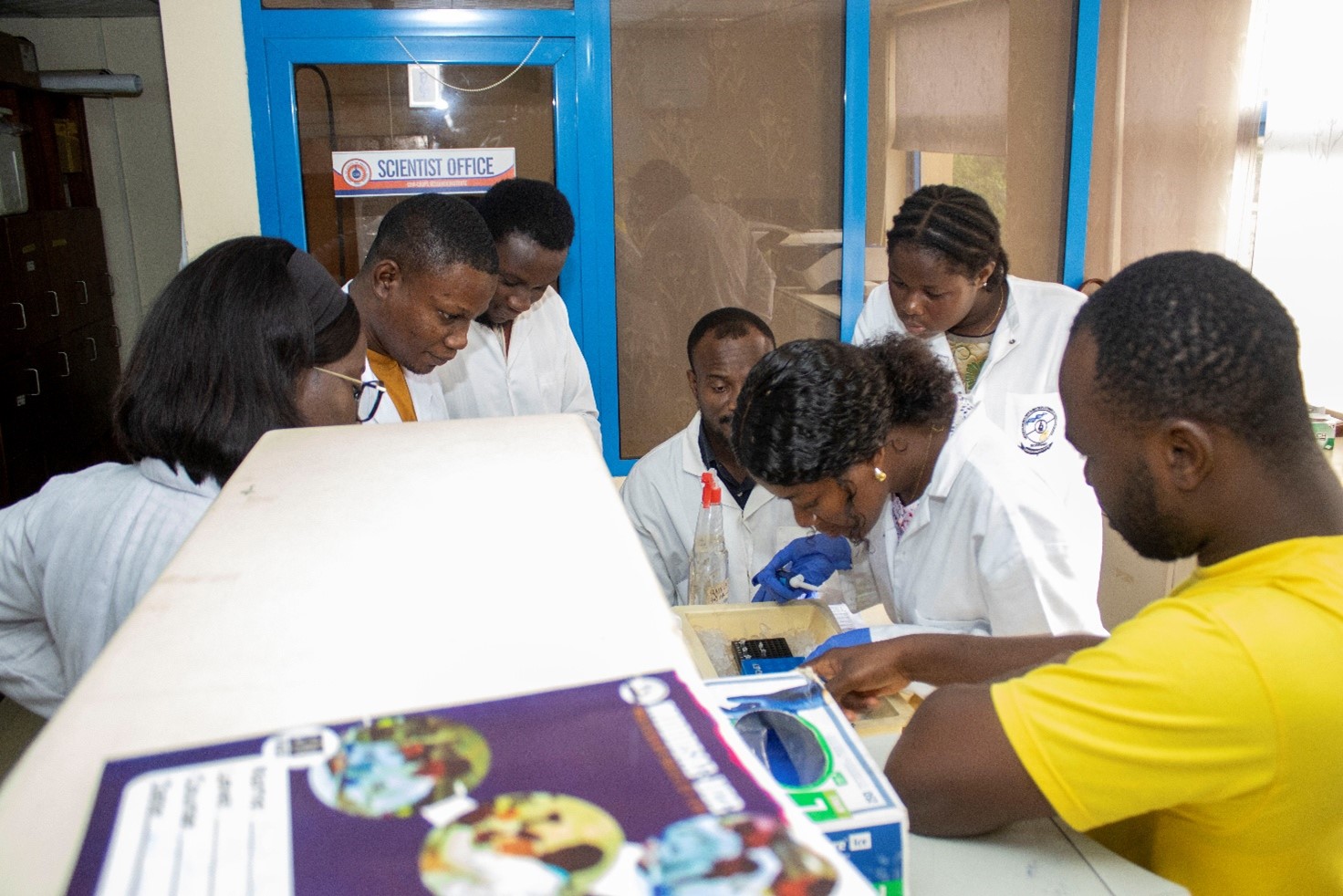
The Molecular Biology Laboratory of the Biotechnology, Seed and Postharvest Division at the CSIR–Crops Research Institute (CSIR–CRI) successfully hosted a two-day, hands-on Wet Lab Training on 5th–6th August 2026, deepening practical molecular biology skills among the next generation of Ghanaian researchers.
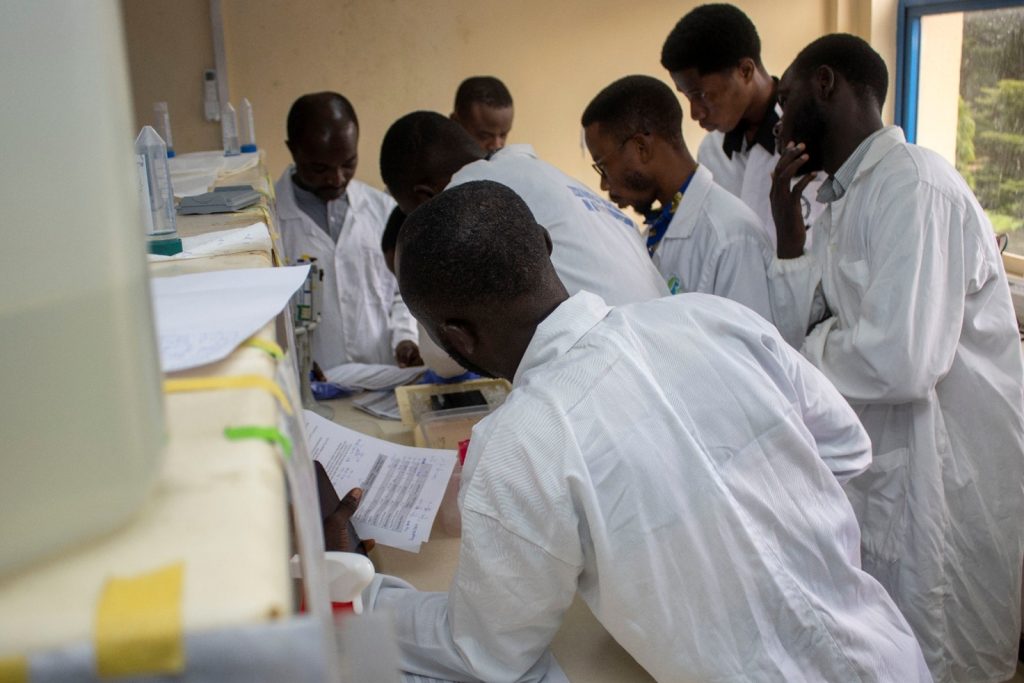
The training brought together 20 participants drawn from the CSIR College of Science and Technology (CCST) and the Kwame Nkrumah University of Science and Technology (KNUST), offering a rare opportunity to work directly at the bench under the guidance of experienced CSIR–CRI scientists.
Building Skills at the Bench
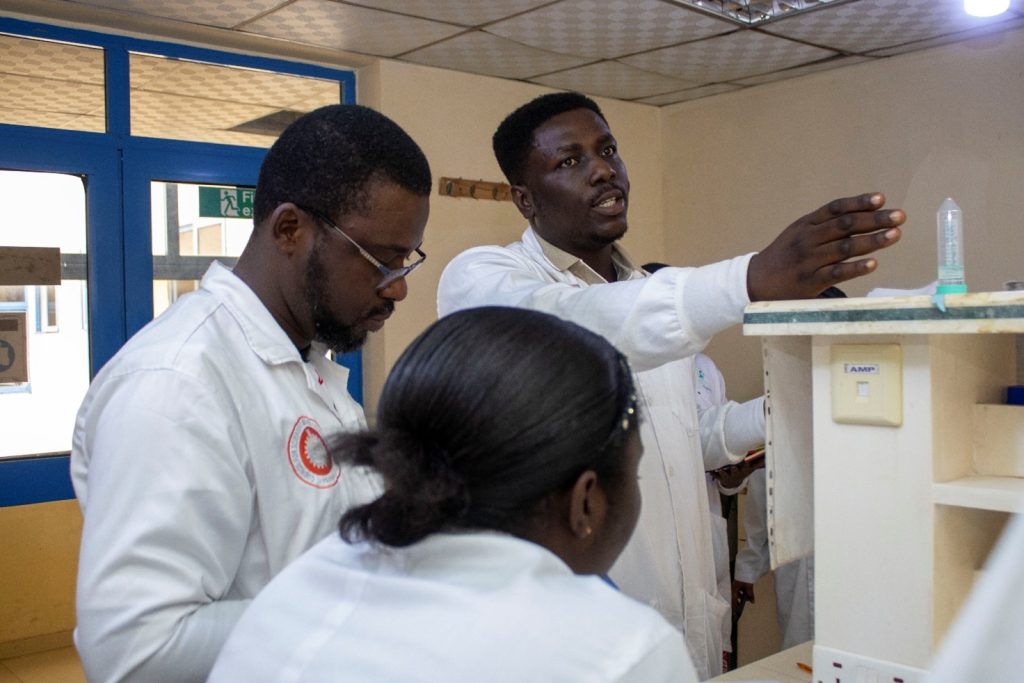
Over the two days, participants moved step by step through the core molecular biology workflow, gaining hands-on experience in:
- Genomic DNA extraction — isolating high-quality DNA from plant tissue samples
- DNA quality assessment — checking the purity and integrity of extracted samples before downstream use
- Polymerase Chain Reaction (PCR) — amplifying target DNA sequences for analysis
- Agarose gel electrophoresis — separating DNA fragments by size to visualize results
- DNA visualization — interpreting banding patterns to confirm successful amplification
Alongside these core techniques, participants also sharpened foundational laboratory competencies, including accurate pipetting, laboratory safety protocols, and good laboratory practices (GLP) — skills that underpin reliable, reproducible results in any molecular biology setting.
From Theory to Practice
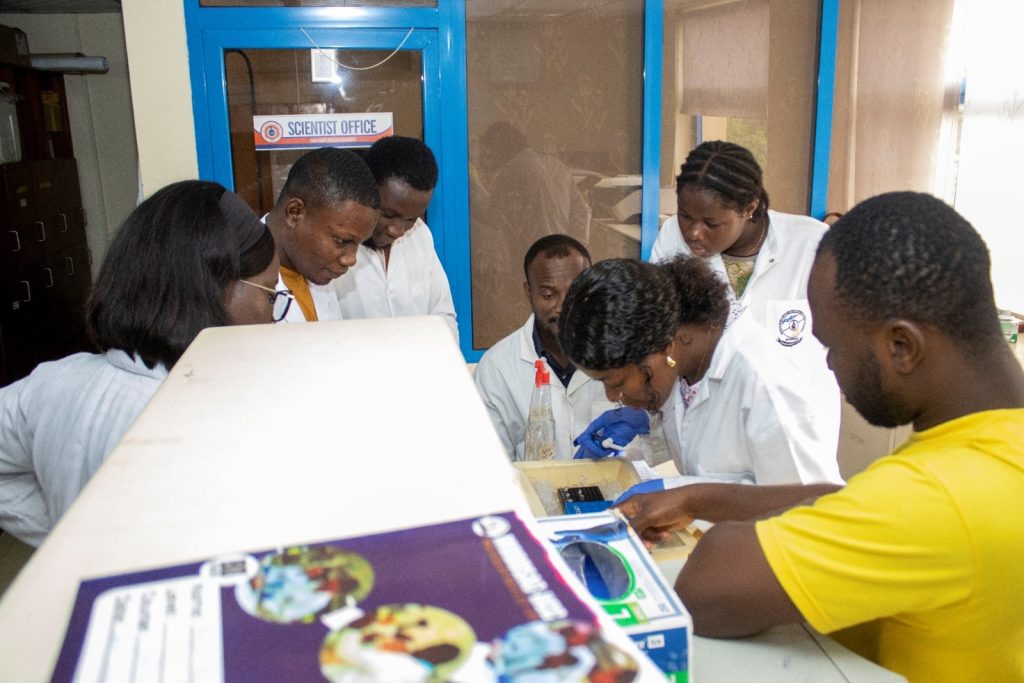
For many participants, the training offered a first opportunity to translate classroom concepts into real laboratory application. Working through each protocol firsthand helped build confidence in techniques that are increasingly central to modern agricultural research — from crop genetics and genomics to plant breeding and biotechnology-driven innovation.
By pairing structured instruction with guided, independent bench work, the training ensured participants left not just with theoretical understanding, but with the practical competence to apply these techniques in their own research going forward.
Investing in Ghana’s Research Capacity
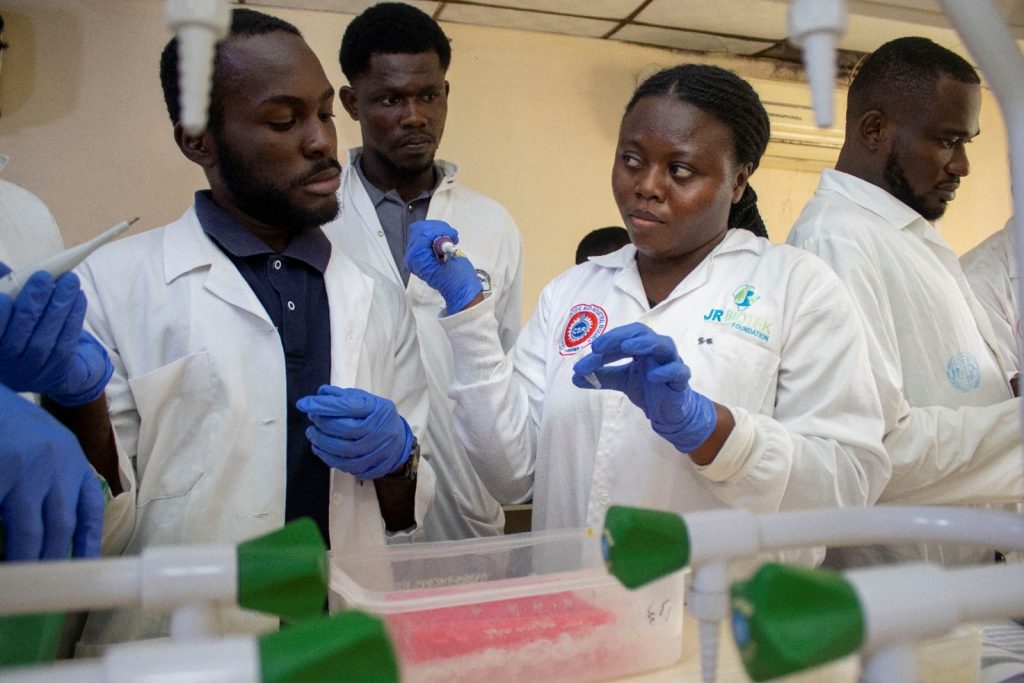
The Wet Lab Training reflects CSIR–CRI’s ongoing commitment to strengthening scientific capacity within Ghana’s research and academic community. By opening its laboratories to students and early-career researchers from CCST and KNUST, the Institute continues to bridge the gap between formal training and hands-on research readiness — equipping emerging scientists with the practical skills needed to support agricultural research and innovation across the country.
CSIR–CRI remains committed to expanding these kinds of capacity-building initiatives, ensuring that Ghana’s next generation of molecular biologists, geneticists, and plant breeders are well-prepared to contribute to the nation’s research and development goals.
#CSIRCRI #WetLabTraining #MolecularBiology #Biotechnology #CCST #KNUST #DNAExtraction #PCR #GelElectrophoresis #CapacityBuilding
