
CSIR-CRI and iNovaland Strengthen Forest Restoration Through Advanced Seedling Management Training
The success of any forest restoration programme begins long before a tree is planted. Recognizing that the highest losses often occur during the transition from nursery to field, the CSIR-Crops Research Institute (CSIR-CRI), in partnership with iNovaland, organized an intensive Agroforestry Seedlings Collection Site and Pre-Dispatch Management Training under the Atebubu-Wiase Forest Landscape Restoration (FLR) Project.
Held from 21–24 April 2026, the training brought together Lead Farmers, Community Extension Volunteers, Technical Assistants, and Community Nursery Operators from the Atebubu (Nyomoase), Bantama, and Kyeamekrom clusters. The programme was designed to address technical gaps identified during project audits, including poor handling of seedlings, disease outbreaks, and high post-planting mortality.
Building Quality Gatekeepers for Restoration Success
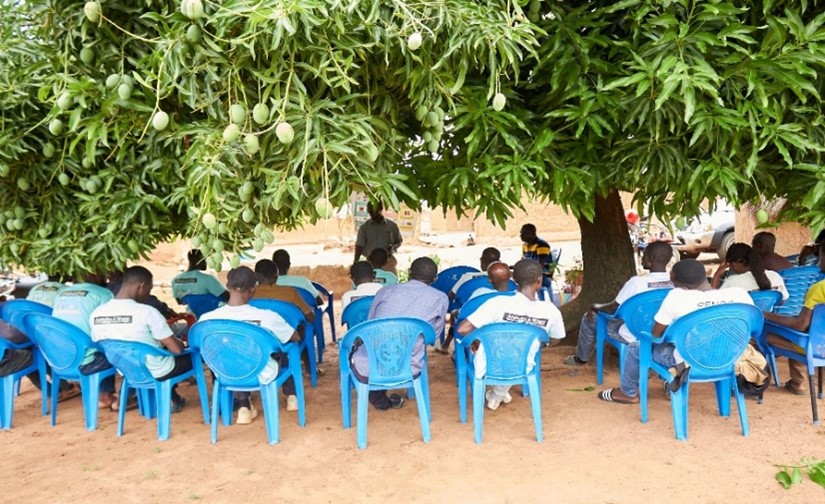
Rather than focusing solely on nursery production, the training introduced participants to the critical science of collection site management and pre-dispatch protocols. Using the EDePAC (Explain, Demonstrate, Practice, Assess, Correct) methodology developed by CSIR-CRI, participants received practical, hands-on instruction to become “Quality Gatekeepers” responsible for ensuring that only healthy, vigorous seedlings reach planting sites.
The training emphasized four key technical areas:
- Engineering safe collection sites that protect seedlings from harsh environmental conditions.
- Conducting quality audits to identify and reject weak or unhealthy seedlings.
- Applying effective inventory management and post-transit care to minimize stress after transportation.
- Verifying field readiness through proper planting-hole dimensions and adequate soil moisture before dispatch.
Practical Solutions for Climate-Resilient Restoration
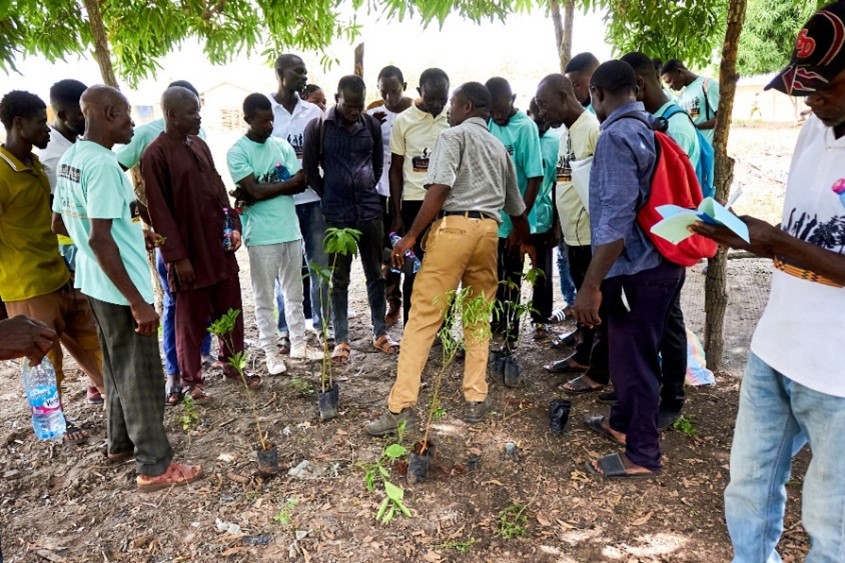
Participants learned innovative techniques such as constructing windbreaks to reduce moisture loss, organizing collection sites into dedicated operational zones, implementing the First-In-First-Out (FIFO) inventory system, and conducting moisture assessments using the Finger Test before dispatching seedlings. These practical measures are expected to significantly improve seedling establishment and long-term survival in the field.
Measurable Improvements in Skills and Confidence
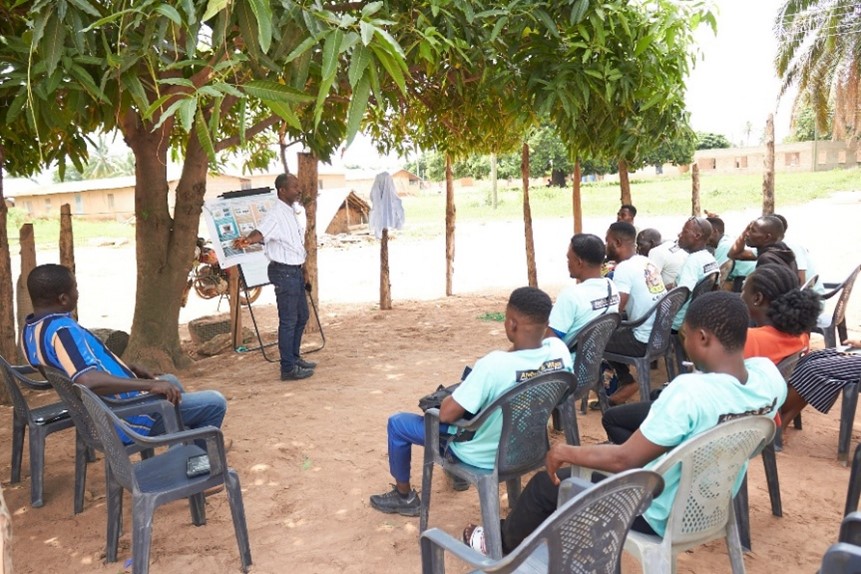
The training delivered strong results. Competency assessments showed a marked improvement in participants’ technical knowledge, with average competency scores reaching 6.12 out of 7. Participants also demonstrated high confidence in applying quality standards, including the authority to reject substandard planting stock and adopt improved climate-smart management practices across future restoration sites.
To complete the programme, participants successfully demonstrated practical skills including constructing windbreaks, identifying unsuitable seedlings, applying moisture verification techniques, explaining FIFO logistics, and verifying standard planting-hole dimensions.
Advancing Ghana’s Forest Landscape Restoration Agenda
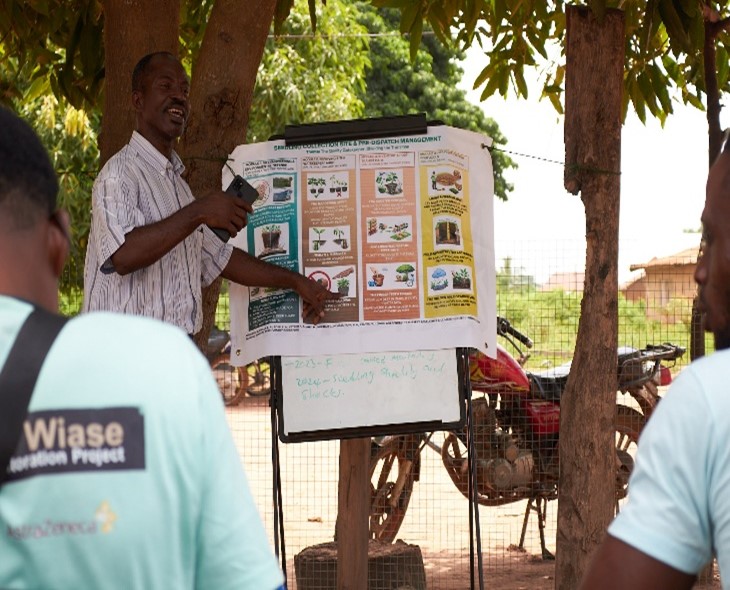
The training represents an important milestone in strengthening community-led forest restoration efforts. By combining scientific knowledge with practical field experience, CSIR-CRI and iNovaland are helping communities establish higher standards for seedling quality, reduce planting losses, and improve the long-term success of restoration investments.
The project team recommends expanding the Gatekeeper training model to additional Forest Landscape Restoration clusters while providing standardized triage kits and integrating improved inventory management systems to sustain the gains achieved.
As Ghana continues its commitment to restoring degraded landscapes and building climate resilience, initiatives such as this demonstrate that successful restoration depends not only on planting more trees, but on ensuring every seedling has the best possible chance to thrive.
Contributors: Dr. Emmanuel Asamoah Adjei, Bernard Sakyiamah, Enoch Bobie Agyemang and Dennis Gyasi Boakye
