
GHANA VALIDATES NATIONAL RESPONSE PLAN AGAINST CASSAVA VIRAL DISEASES
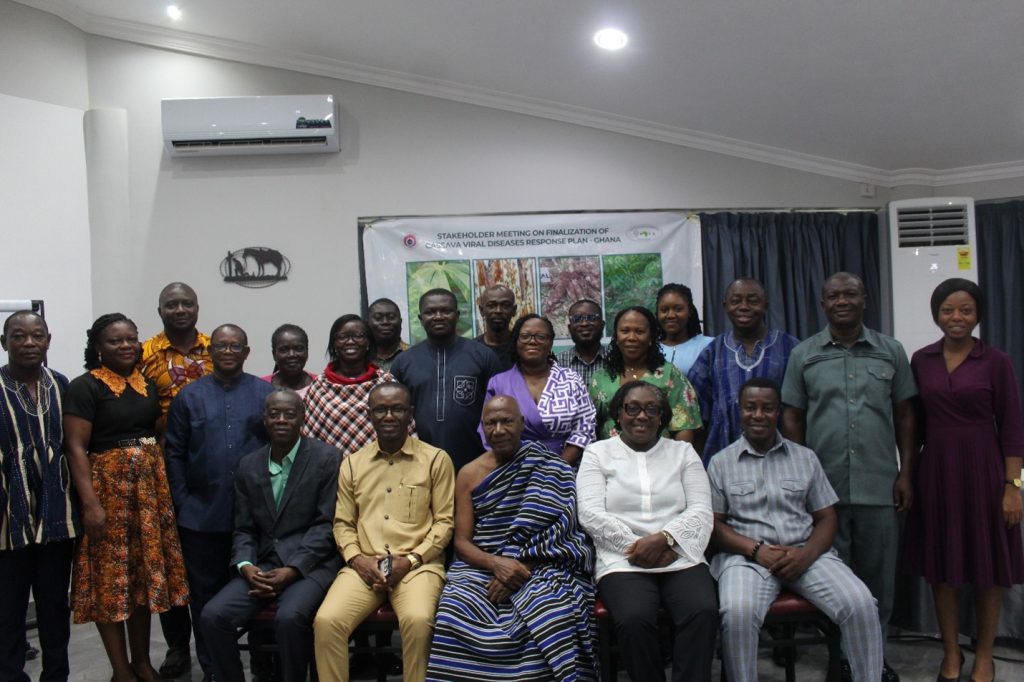
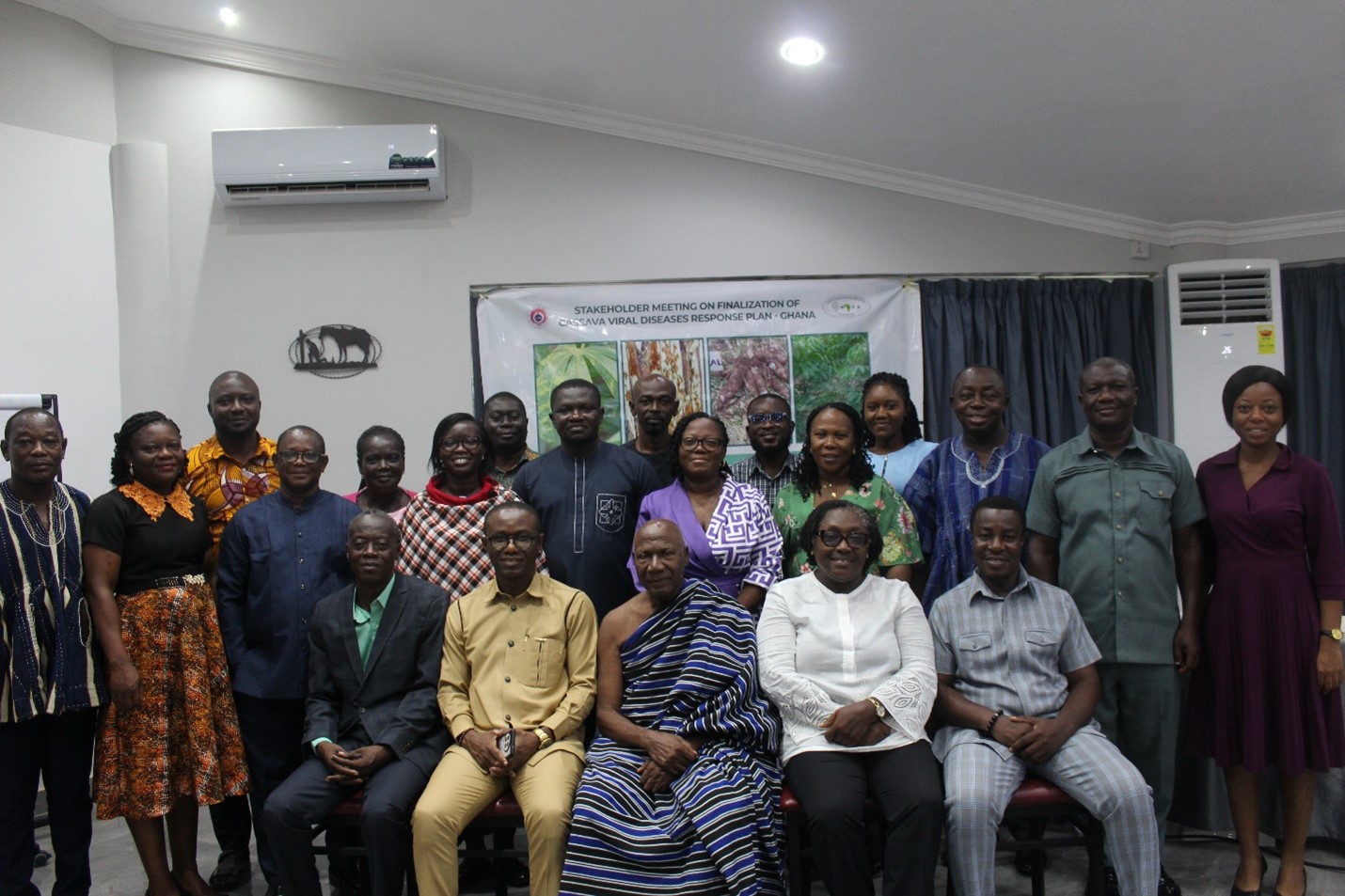
Ghana has taken a decisive step toward protecting one of its most vital food crops. From 25th to 27th May, 2026, twenty-four (24) participants drawn from six leading institutions gathered at the scenic Hephzibah Christian Centre in Peduase, Eastern Region, to validate Ghana’s National Response Plan Against Cassava Viral Diseases — a comprehensive strategic document developed under the Central and West African Virus Epidemiology (WAVE) for Root and Tuber Crops project.
The Peduase meeting marks the culmination of a process that began in March 2021, when stakeholders first convened to review an initial draft of the plan. Over the intervening years, the document underwent successive rounds of revision, integrating stakeholder input and reflecting Ghana’s evolving agricultural landscape. The session was convened to validate the near-final draft, reconcile outstanding comments, and update the plan — including its implementation timelines and supporting data — ahead of finalisation.
Participants at the Peduase meeting represented the Council for Scientific and Industrial Research (CSIR), the Ministry of Food and Agriculture (MoFA), the University of Ghana, the University of Cape Coast, CAB International (CABI), and BNARI.
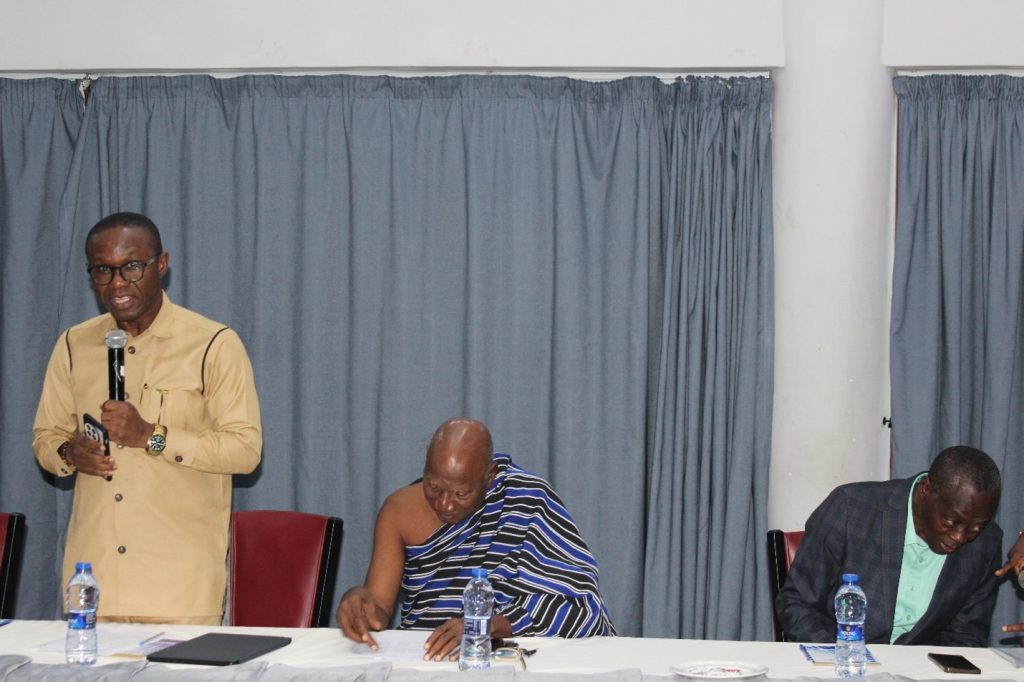
Welcoming participants to the meeting, the Director of CSIR-Crops Research Institute (CSIR-CRI) encouraged active engagement throughout the validation process. The meeting was chaired by Nana Fobi Kropa III, Chief of Asante Apemanim, who emphasized the importance of ensuring that the plan translates into concrete action to protect the nation’s cassava industry. Addressing participants, the Ghana Coordinator of the WAVE Project, Dr. Allen Oppong, called for collective commitment and expertise to produce a practical and impactful response framework.
The WAVE project is implemented in ten African countries with funding from the Bill and Melinda Gates Foundation (BMGF) and the Foreign, Commonwealth and Development Office (FCDO) and supported by the European Union through BIORISK project which was awarded to CORAF. In Ghana, CSIR-CRI collaborates with MoFA to lead the project, which equips scientists, policymakers and stakeholders to take pre-emptive action against the threat of viral diseases to root and tuber crops.
The meeting was a rigorous, line-by-line validation of a document already shaped by extensive stakeholder engagement. Proceeding section by section, participants raised comments, corrections and suggestions that were captured directly in the working draft. Key Revisions to the Response Plan
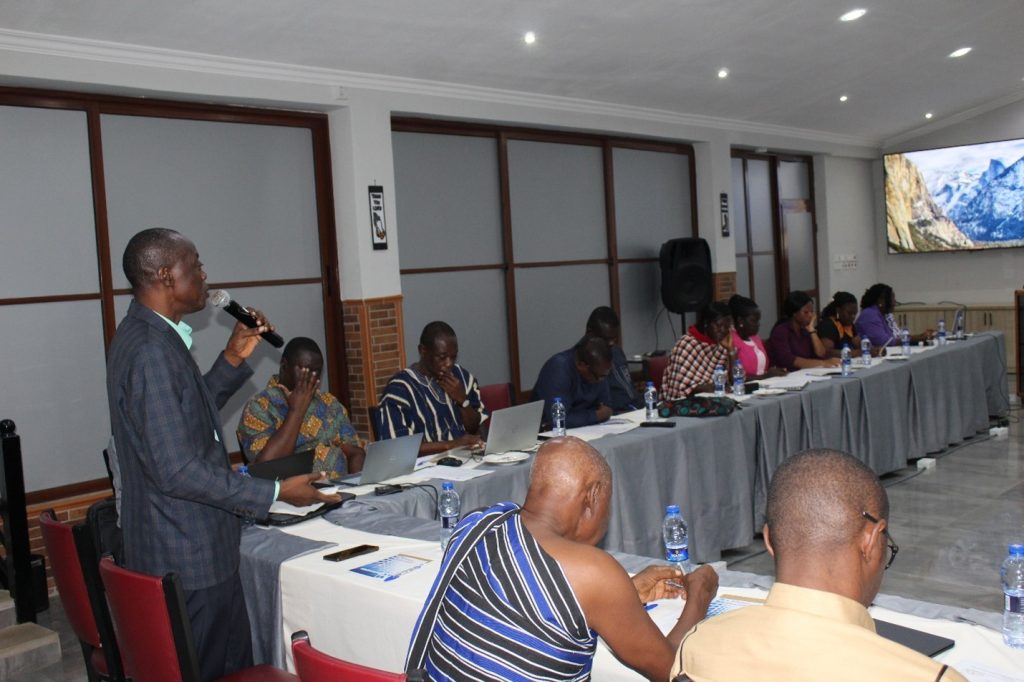
Among the major revisions were updates to cassava production statistics and yield projections, improvements to strategic objectives, and enhancements to disease surveillance and outbreak preparedness measures. Two important activities were added to strengthen national readiness for disease outbreaks: the conduct of simulation exercises and the development of protocols for disease containment and eradication.
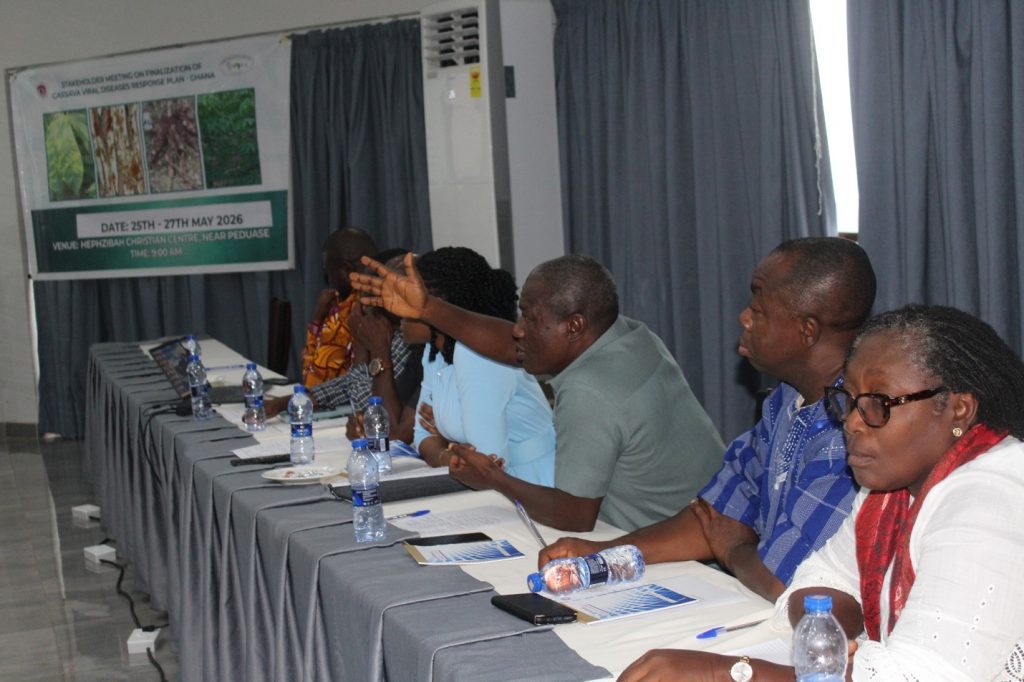
The meeting also reviewed the structure and functions of the proposed Emergency Operations Centre (EOC), clarified institutional roles and responsibilities, strengthened communication and awareness strategies, and updated resource mobilization plans. In addition, implementation timelines were revised to reflect current realities to ensure realistic planning.
Looking Ahead
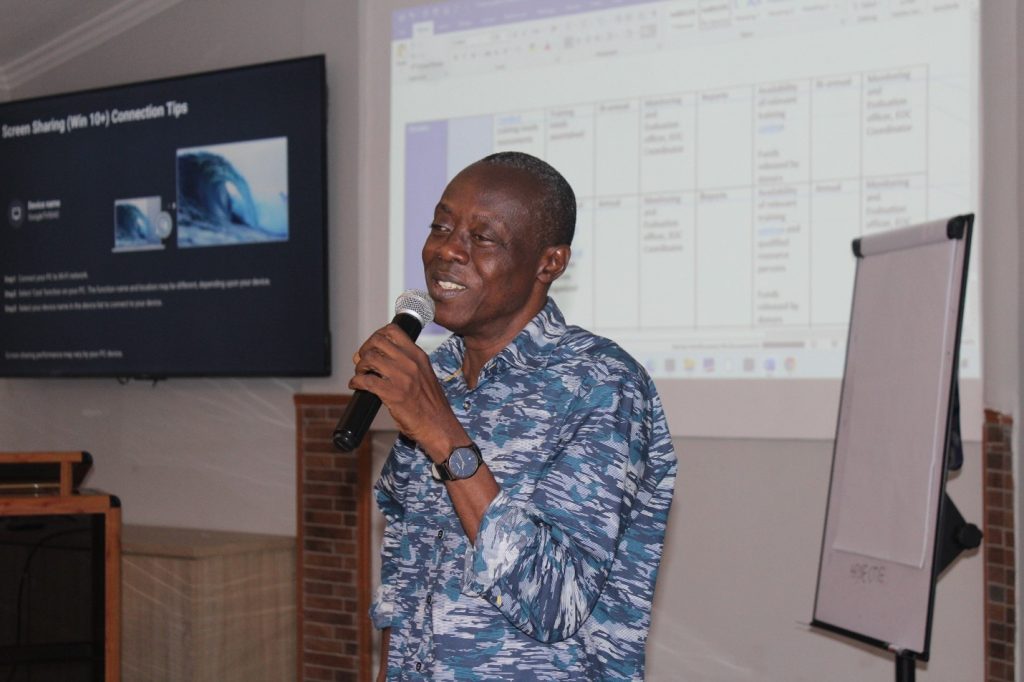
With validation now complete, the WAVE Ghana team will finalize the document for implementation. Stakeholders expressed broad satisfaction with the outcome of the meeting, commending the WAVE Ghana team for their sustained efforts in bringing the process to this stage. The finalised response plan will serve as Ghana’s operational blueprint for early detection, rapid response and coordinated management of cassava viral disease outbreaks — safeguarding a crop that underpins food security and livelihoods for millions of Ghanaians.
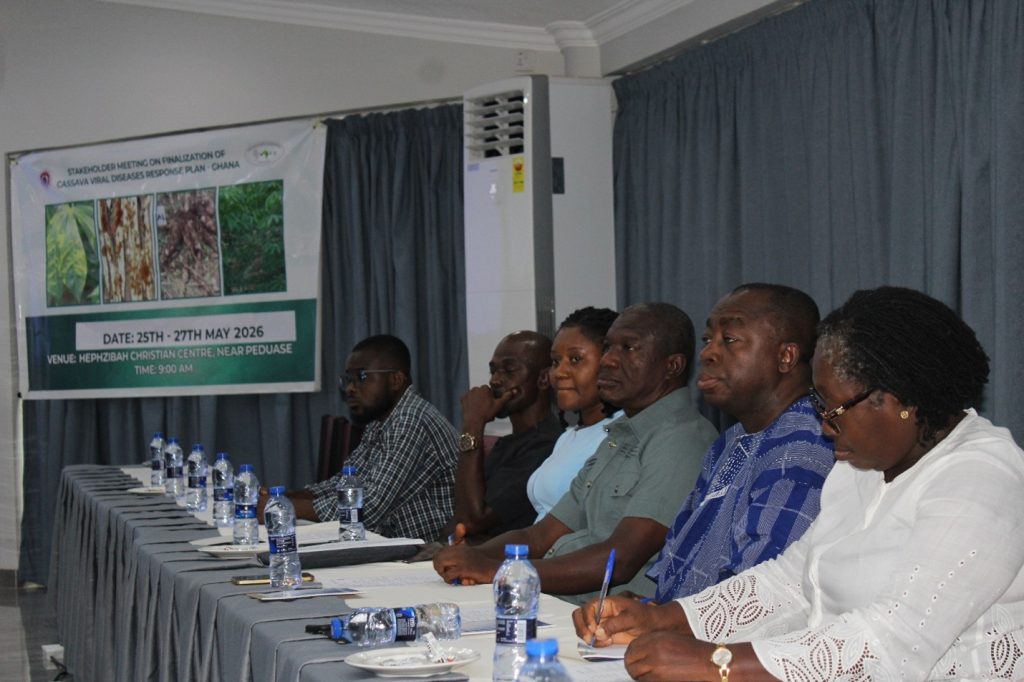
The successful validation of the response plan underscores the commitment of Ghanaian stakeholders to proactively address emerging plant health threats and build a resilient agricultural sector capable of supporting sustainable national development.
Contributors: Bernard Sakyiamah, Allen Oppong, Ruth Prempeh, Esther Afoley Annan, Enoch Bobie Agyemang, Dennis Gyasi Boakye.
