
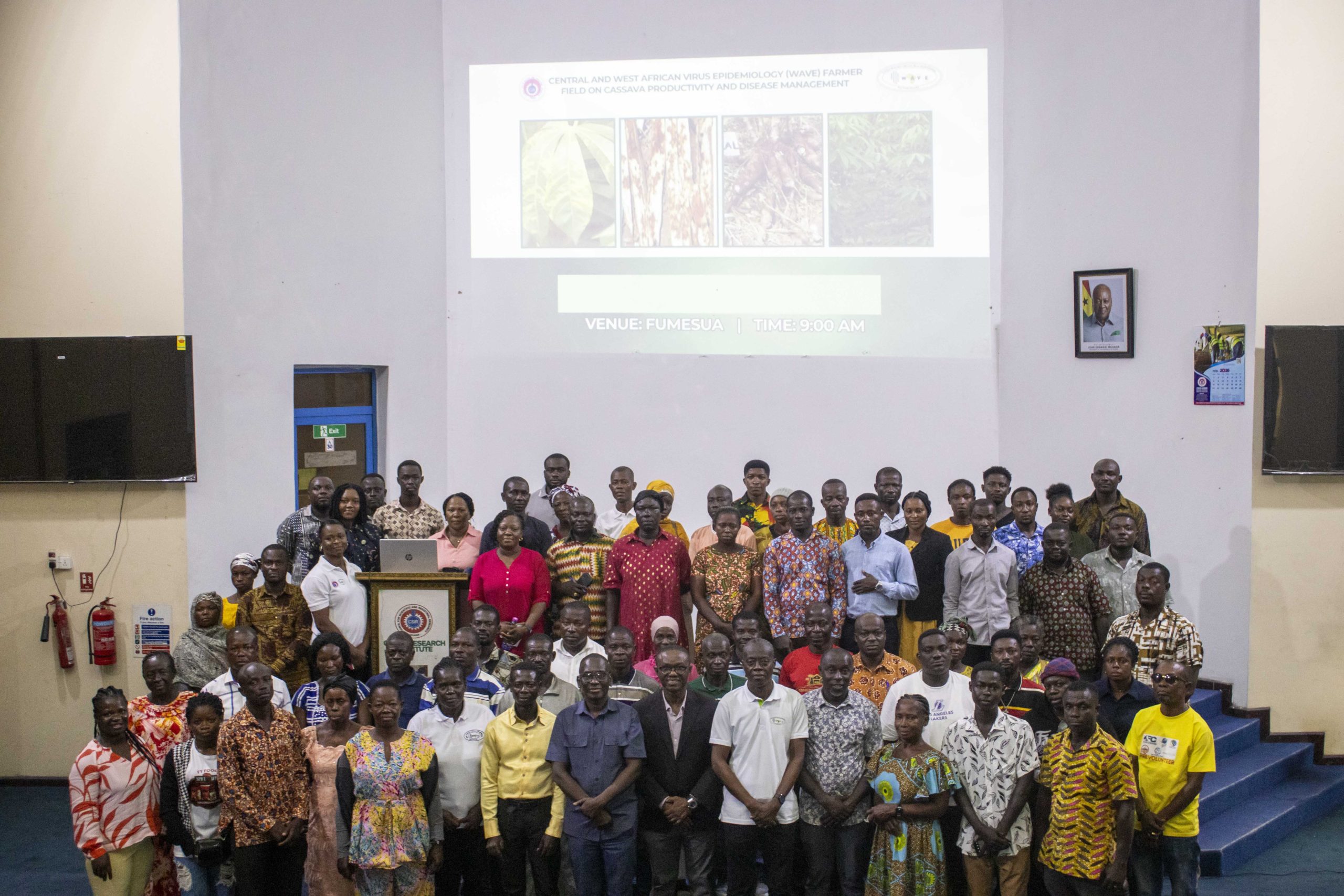
CASSAVA FARMERS CALL FOR MARKET SUPPORT AT WAVE FARMER FIELD DAY
Cassava farmers have appealed for urgent interventions to address the persistent challenge of inadequate markets for their produce during a Farmer Field Day organized by the Central and West African Virus Epidemiology (WAVE) project at the CSIR-Crops Research Institute (CSIR-CRI).
The farmer field day brought together cassava farmers, researchers, extension officers, and other stakeholders and was organised as part of the WAVE project’s ongoing efforts to to support smallholder farmers in building resilient and productive cassava farming systems. The project, anchored at the CSIR-Crops Research Institute in Kumasi, focuses on addressing challenges that undermine cassava yields across Ghana — and the devastating impact of viral diseases.
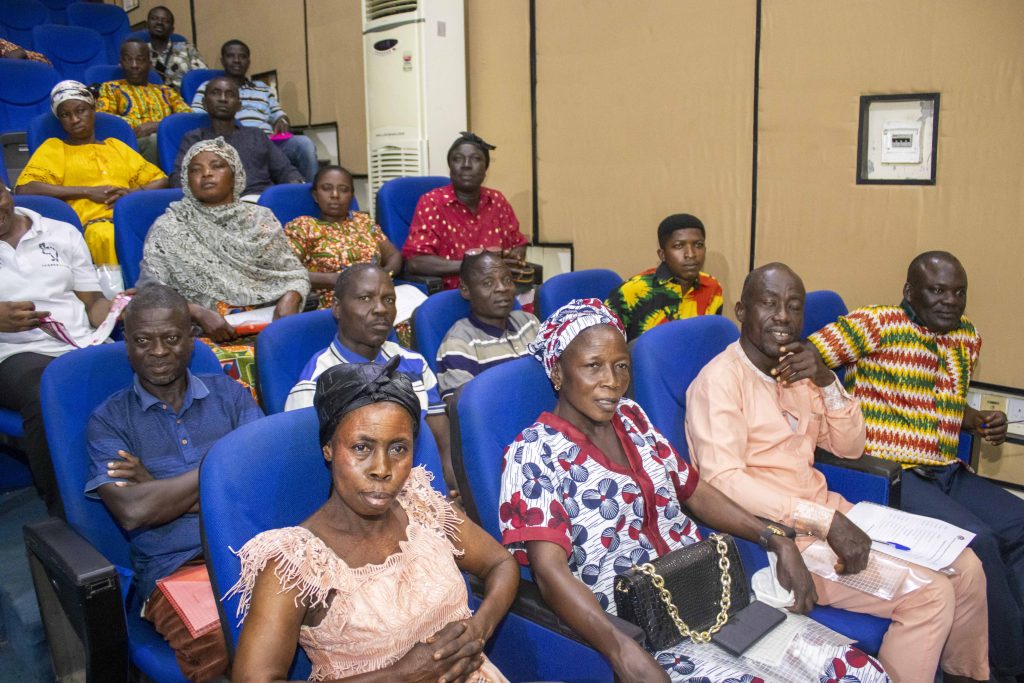
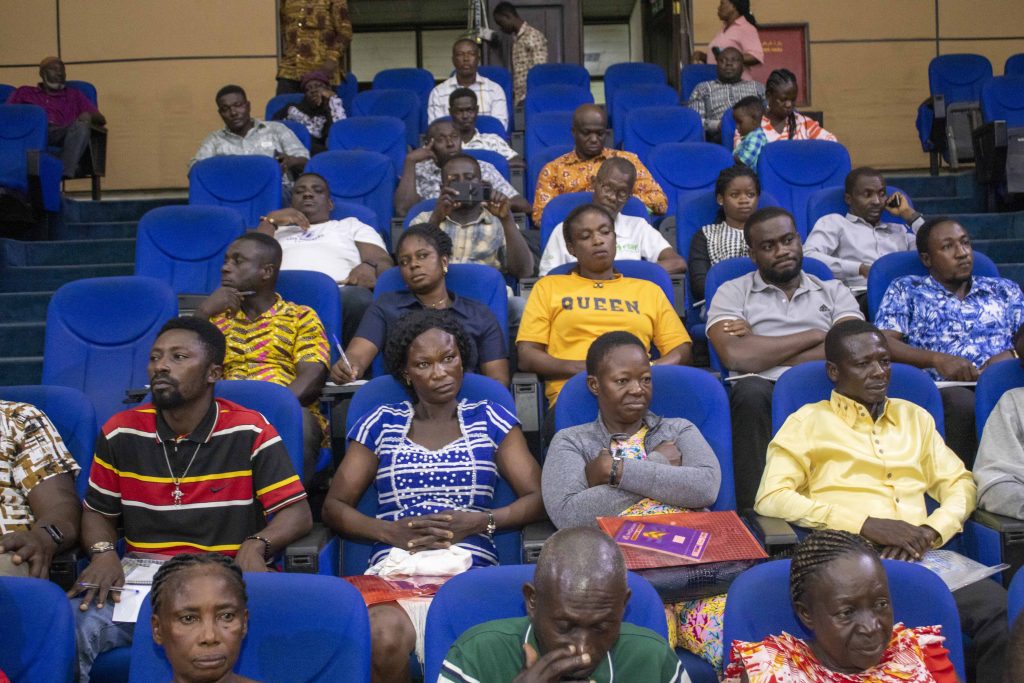
During an interactive session, farmers expressed concern over the difficulties they face in securing reliable markets for their harvests. According to them, despite adopting improved farming practices and increasing production, limited access to buyers often results in post-harvest losses and reduced incomes.
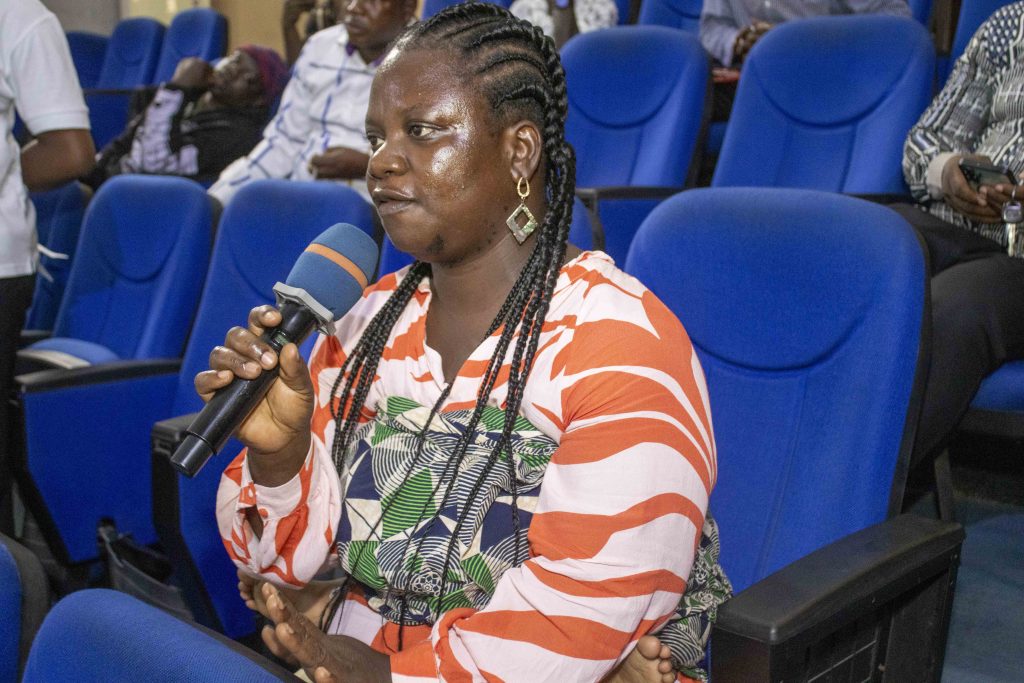
“We have learned how to increase our yields, but the challenge now is finding ready markets for the cassava we produce,” one farmer remarked. “Without assured markets, many farmers become discouraged from expanding production.”
The concerns highlighted the need for stronger linkages between farmers, processors, and agribusinesses to ensure that increased production translates into improved livelihoods for farming households.
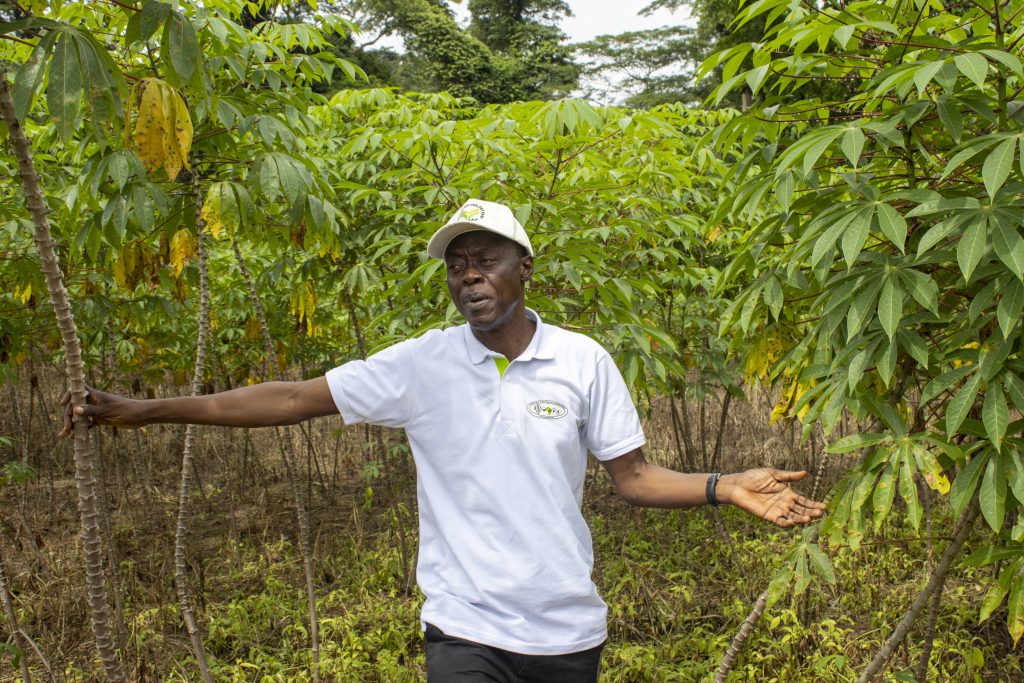
As part of the field day activities, researchers from CSIR-CRI provided practical training on best agronomic practices for cassava cultivation. Farmers were taken through key aspects of land preparation, planting, weed management, fertilizer application, and harvesting techniques aimed at improving productivity and sustainability.
A major focus of the training was the identification and management of cassava diseases and pests, particularly those caused by viral infections that significantly reduce yields. Dr. Allen Oppong, a Chief Research Scientist and the Coordinator of the WAVE project in Ghana, educated participants on the common symptoms of cassava diseases, methods of disease surveillance, and strategies for preventing the spread of infections through the use of clean planting materials and good farm hygiene practices. He also demonstrated how farmers can identify pest infestations early and implement integrated pest management approaches to minimize crop damage while protecting the environment.
To practically apply what they had been taught, CSIR-CRI researchers took farmers to a cassava field at Fumesua, pointing out the visible symptoms of the most common and damaging cassava diseases found in Ghana, including Cassava Mosaic Disease (CMD), and cassava bacterial blight.
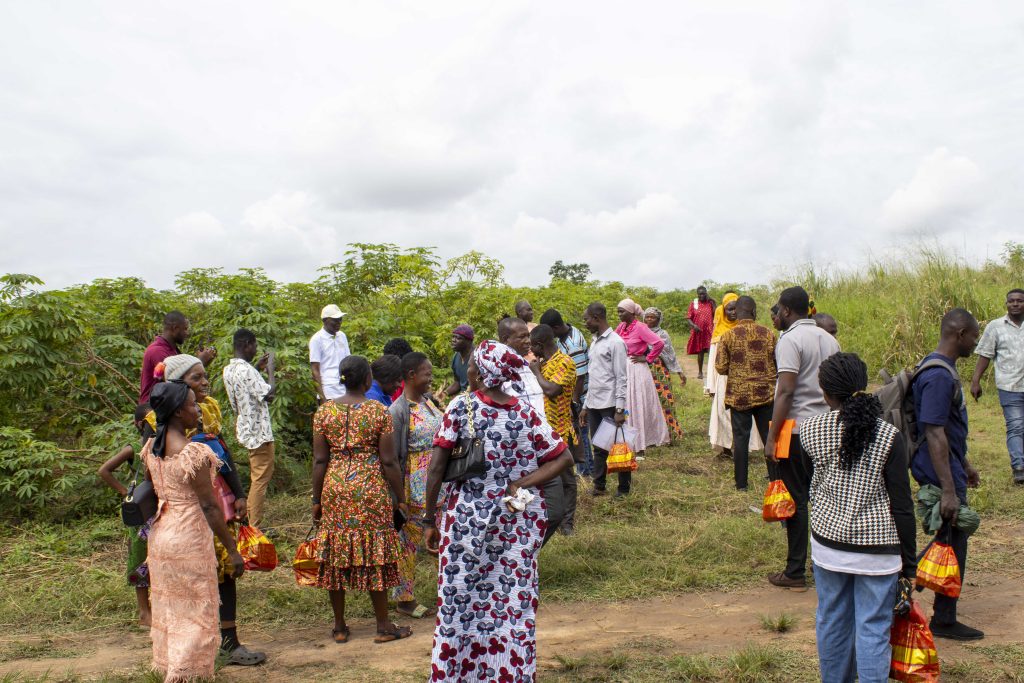
Farmers were taught to recognise the characteristic mosaic patterns, chlorosis, and leaf distortion associated with CMD, as well as the root necrosis that distinguishes CBSD — a disease of growing concern that threatens both food security and income for cassava-dependent households. The importance of sourcing disease-free planting material and rogueing out infected plants early was repeatedly emphasised as the first line of defence.
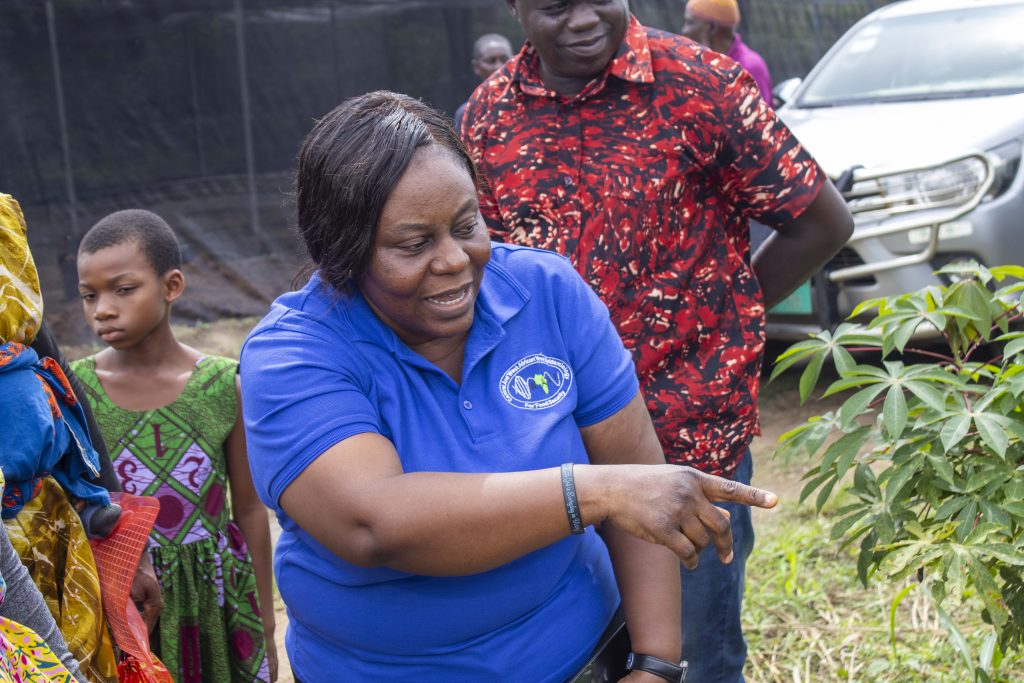
On the pest management front, the training covered the identification and control of cassava mealybug, cassava green mite, and whiteflies — the latter being a primary vector for cassava mosaic virus. Integrated Pest Management (IPM) approaches were promoted, with researchers encouraging the adoption of biological control agents, the use of resistant varieties, and the judicious application of approved pesticides where necessary. Farmers were strongly advised against the indiscriminate use of chemical controls, which can disrupt beneficial insect populations and build pesticide resistance.
Speaking at the event, the Director of the CSIR-Crops Research Institute, Prof. Maxwell Darko Asante, emphasized the importance of continuous farmer education and stakeholder collaboration in safeguarding cassava production. He noted that empowering farmers with knowledge and improved technologies is essential for enhancing food security and building resilient cassava value chains.
The Farmer Field Day formed part of the WAVE Project’s efforts to promote sustainable cassava production and strengthen the capacity of farmers to respond effectively to emerging disease and pest threats. Participants expressed appreciation for the opportunity to interact directly with researchers and gain practical knowledge that can be applied on their farms.
While the training equipped farmers with valuable skills to improve productivity, many participants stressed that addressing market access challenges remains critical to ensuring the long-term growth and profitability of the cassava sector.
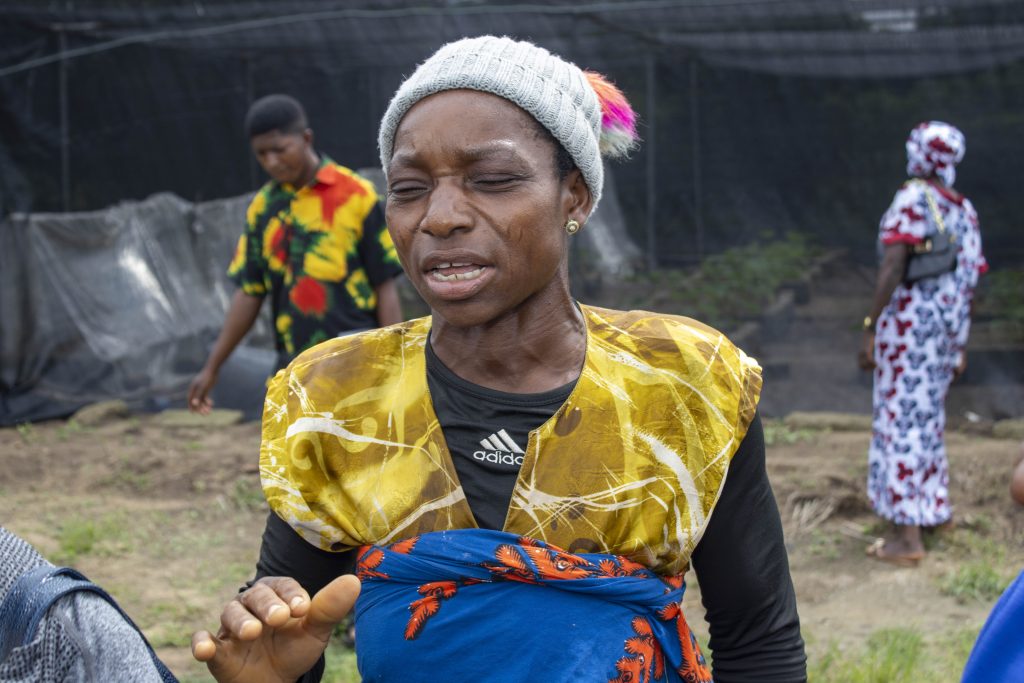
Responding to the farmers’ concerns, CSIR-CRI scientists and project staff acknowledged that market access is an integral part of the agricultural development equation. They noted that the WAVE Project’s work on clean planting material and disease management is designed to increase the quality and volume of cassava that farmers can offer to markets — but that creating those market opportunities requires sustained collaboration with government agencies, development partners, and the private sector.
The institute pledged to carry the farmers’ market access concerns forward to relevant stakeholders and to explore opportunities for linking project beneficiary communities with cassava processors and agribusiness actors. Discussions were also held on the potential for farmers to form cooperatives or producer groups to aggregate produce and negotiate better market terms collectively.
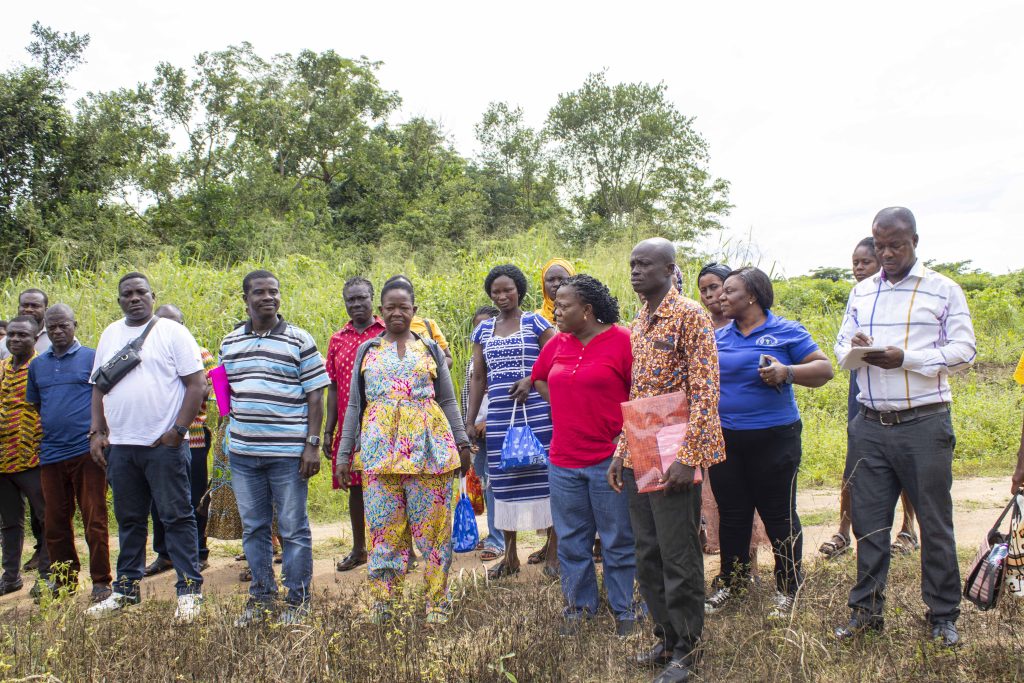

The event concluded with a renewed call for stronger partnerships among researchers, policymakers, processors, and private-sector actors to create sustainable market opportunities for cassava farmers across Ghana.
