
CULTIVATING RESILIENCE: CSIR-CRI AND iNOVALAND EMPOWER BONO EAST WOMEN & YOUTH WITH SCIENCE-LED NURSERY EXCELLENCE FOR SUSTAINABLE AGROFORESTRY
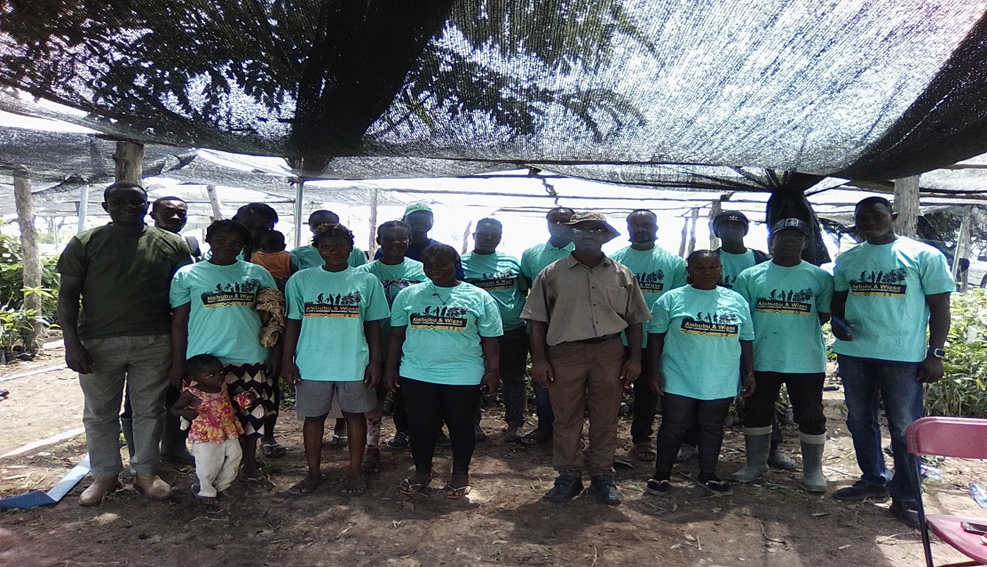
In a significant step toward strengthening climate resilience and sustainable agriculture in Ghana, the Council for Scientific and Industrial Research (CSIR)-Crops Research Institute (CRI) and iNovaland have ended a four-day intensive training program on Agroforestry Nursery Excellence and Climate-Resilient Tree Crops Propagation. The capacity-building exercise, was successfully held in Atebubu and Kwame Danso in the Bono East Region of Ghana. The training brought together young participants eager to develop practical skills in raising quality tree seedlings for agroforestry systems.
The program targeted youth between the ages of 23 and 40, with a strong emphasis on gender inclusion. Women (23) constituted 56 percent of the participants, while 44 percent were men, reflecting growing interest among young women in climate-smart agriculture and tree-based livelihoods.
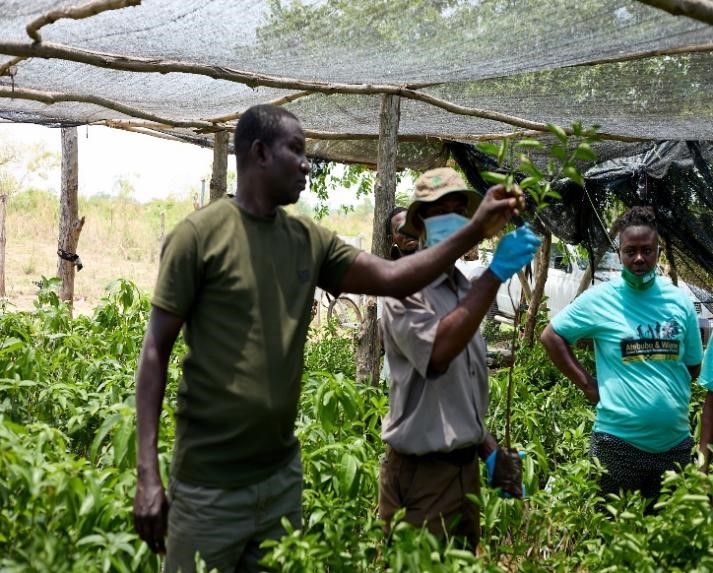
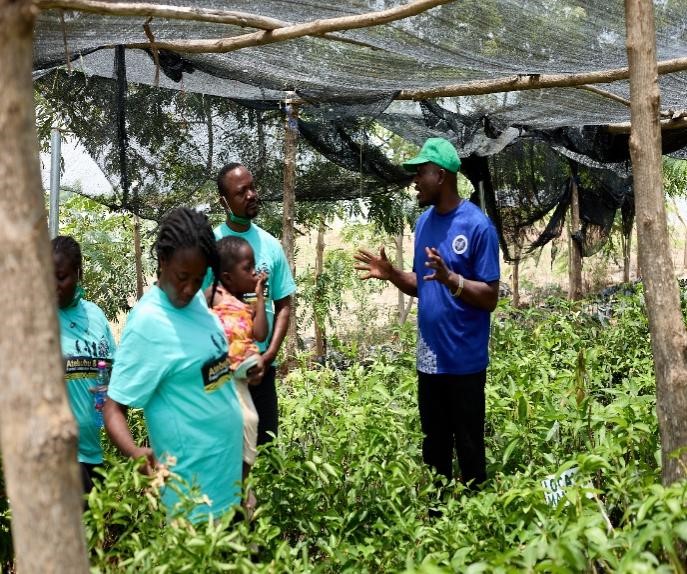
Blending Theory with Practical Skills Designed as a hands-on capacity-building initiative, the training adopted a 40 percent theory and 60 percent practical approach, ensuring that participants gained both conceptual understanding and real-life nursery management experience. The curriculum covered several key areas critical for establishing and managing high-quality agroforestry nurseries. Participants learned how to identify appropriate seed sources, focusing on the characteristics of good parent trees that are true to type, healthy, and free from pests and diseases. This knowledge is essential to ensure the production of vigorous and reliable seedlings. The training also explored seed collection techniques, including preparation, optimal timing, required materials, and proper storage methods to maintain seed viability. Participants were also shown how to identify and separate quality from bad one using the soaking technique.
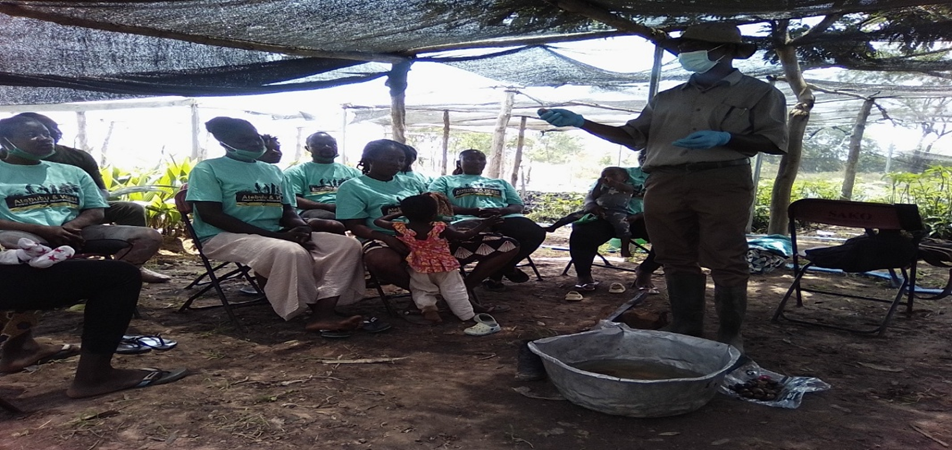
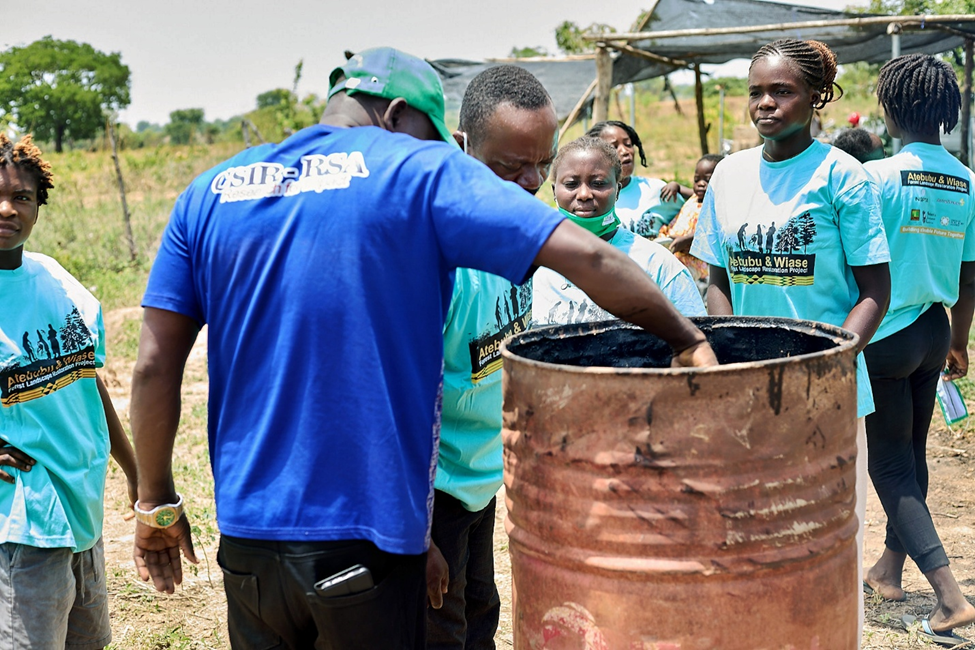
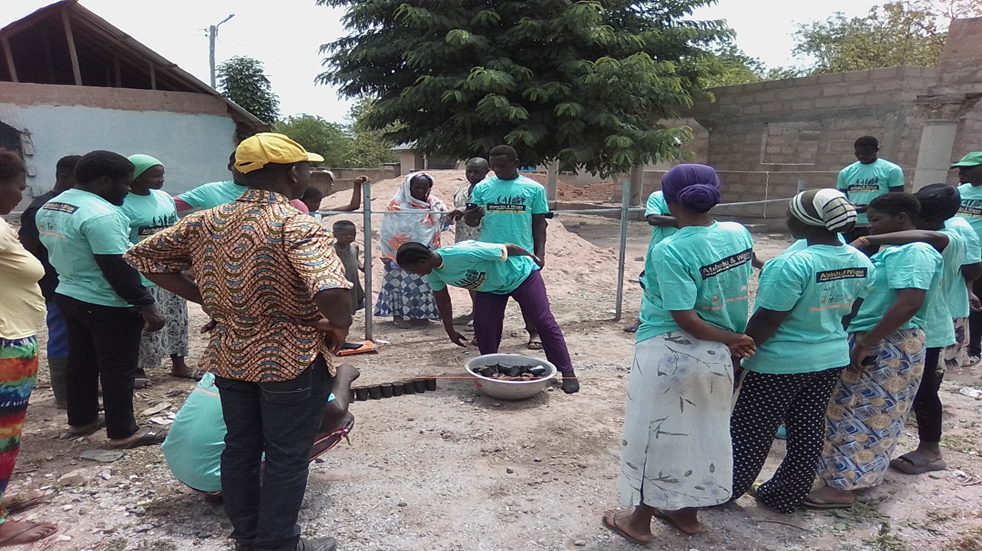
Another important component of the training focused on nursery media preparation and soil sterilization. Participants were introduced to practical sterilization techniques such as barrel heating and the black polythene sheet covering method, both of which help reduce soil-borne pests and diseases that can affect seedling survival.
Practical Nursery Management Participants engaged directly in seed sowing techniques, including conducting germination tests, correctly positioning seeds in nursery media, and implementing effective watering practices to promote healthy germination. The training further emphasized integrated pest management (IPM) strategies, equipping participants with environmentally friendly approaches to manage pests and diseases while minimizing chemical use.
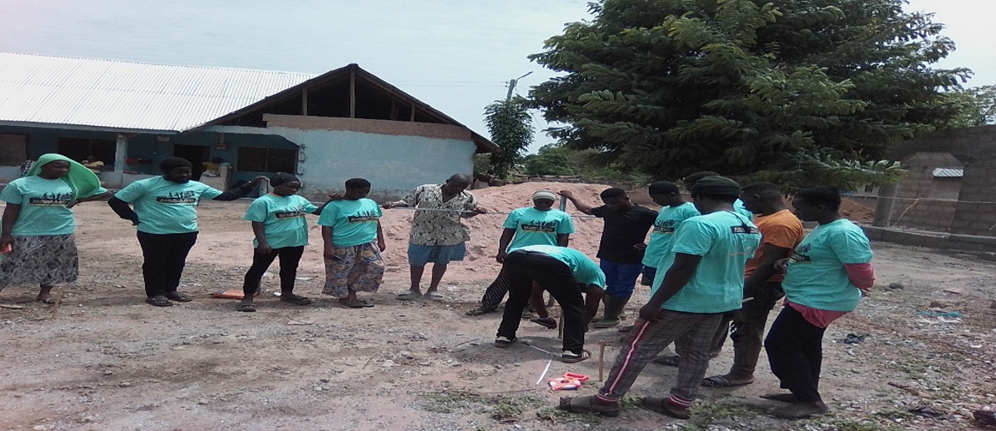
Another critical skill taught was seedling hardening, a process that prepares young plants for field conditions. Trainees learned how to manage shading and watering, as well as techniques for root and shoot pruning during seedling uprooting to ensure stronger plant establishment.
Finally, the program addressed safe transportation of seedlings to planting sites, a frequently overlooked step that can significantly affect survival rates after transplanting.
Expert-Led Facilitation
The training was facilitated by experienced professionals in agroforestry and seed systems, including Emmanuel Asamoah Adjei, a Seed Systems Specialist and Agroforester, alongside Samuel Azuug Ndebilla, Head of Commercialization/Technology Transfer and CSIR-CRI Intervention Lead, Mark Anti, Project Coordinator and Victor Nketiah Agronomist. Their combined expertise provided participants with both scientific knowledge and practical insights into modern nursery management and climate-resilient tree propagation
Sponsorship
The training was sponsored by iNOVALAND, implementors of the Atebubu and Wiase New Generation Plantations project which focuses on forest landscape restoration and community resilience in the Bono East region of Ghana. The project aims at combating environmental degradation, climate change while promoting sustainable livelihoods for local communities. The project is a ten-year initiative fostering ecological and community resilience and also part of a global network of Living Labs for Nature, People, and Planet established by the Circular Bioeconomy Alliance (CBA) and funded by AstraZeneca.
Participants Evaluation
Participants expressed enthusiasm for the knowledge gained, highlighting that the training has empowered them to be able to establish their nursery and manage them as source of income for their family’s needs. The nursery operators whose sites were used for the training committed to adopting the new technologies to increase their productivity and improve their livelihoods.
Stakeholder Testimonials & Strategic Feedback
The impact of the EdePA (Explain-Demonstrate-Practice-Assess) model is best captured through the voices of key stakeholders.
1. Atebubu Cluster: Alex’s Nursery
“In the past, we saw many seedlings die and thought it was just bad luck or the weather. Now I understand that the ‘luck’ starts with the drum-heater. Seeing the steam kill the weeds in the soil before we even plant gave me and my staff the confidence that our 2026 batch will be the strongest yet.”— Alex Oteng, Lead Operator
“I used to spend hours weeding polybags. Learning that sterilization kills those weed seeds before they even sprout means I can spend more time on Morning Dew watering and checking for pests. It makes our work much more efficient.”— Nursery Staff, Atebubu Cluster
2. Kwame Danso Cluster: Gambo’s Nursery
“The air-pruning demonstration was a ‘lightbulb moment’ for us. We were essentially crippling our trees by leaving them on the ground. Raising them 30cm up is a simple change, but after seeing the fibrous roots it produces, we will never go back to the old way. We are now producing ‘engine-ready’ trees.”— Gambo Bashiru, Lead Operator
“The 14-day hardening protocol is what we were missing. We used to take seedlings straight from the shade to the field, and they would go into shock. Now we know how to ‘toughen’ them up so they survive the heat. I feel like a professional nurse for plants now.”— Nursery Staff, Kwame Danso Cluster
3. iNOVALAND Technical & Management Team
“The depth of this training exceeded our expectations. The CSIR-CRI team didn’t just give a lecture; they transformed the operational culture of our nurseries. By integrating indigenous knowledge with rigorous thermal sterilization and air-pruning standards, they have mitigated the primary risks we faced in 2025. This is a partnership that is now delivering world-class restoration results.”
— The iNOVALAND Management Team (Abraham Yelley, Andrews Kofi Asante, & Emmanuel Kwarteng)
4. CSIR-CRI Expert Team
Stakeholder Impact Note: “The ability of participants to now explain the relationship between thermal sterilization and seedling survival represents a permanent shift in community capacity. We have moved from growing plants to engineering resilient forests.” — CSIR-CRI Technical Team.
Suggested Metadata for Website/Social Media:
- Primary Tagline: “Engineering the forests of tomorrow through youth-led innovation.”
- Key Hashtags: #CSIRCRI #iNOVALAND #AgroforestryExcellence #ClimateResilience #BonoEast #YouthEmpowerment #SustainableGhana
AUTHORS: Ndebilla S. A.,Adjei E. A., Keteku K. A., Anti M., Nketiah V., Acheampong P. P., Asante M.D., Sakyiamah, B. (2026).
