
FROM SEED TO HARVEST: CSIR-CRI TRAINS RICE FARMERS IN GOOD AGRONOMIC PRACTICES
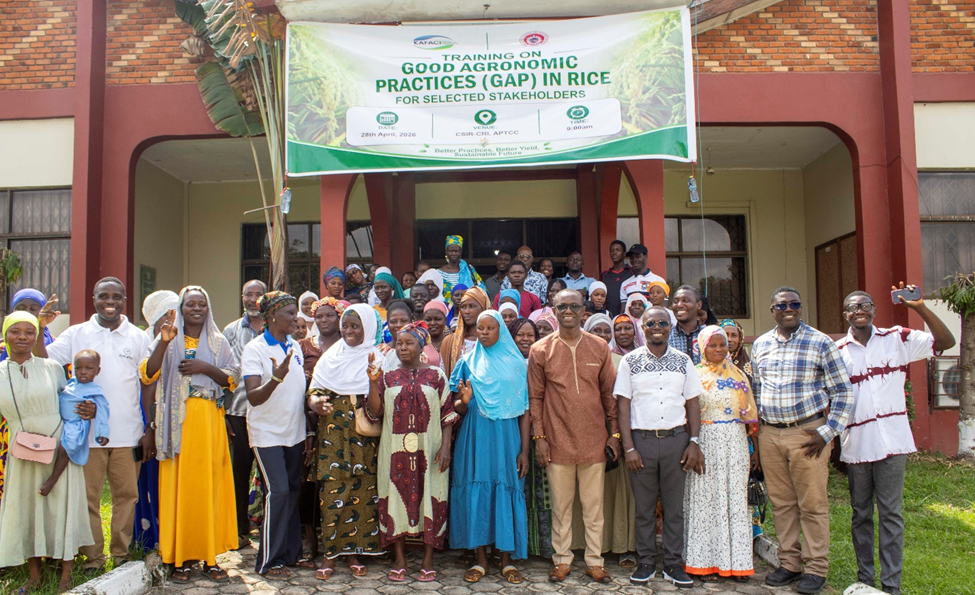
At the heart of Ghana’s drive toward rice self-sufficiency, the CSIR–Crops Research Institute (CSIR-CRI) recently brought together rice farmers, millers, seed producers and researchers for an intensive hands-on training programme focused on Good Agronomic Practices (GAP). Held under a practical, farmer-centered framework, the training blended science with real-world farming experience—equipping participants with the knowledge needed to boost productivity, reduce losses, and improve grain quality.
Organised under the banner of the KAFACI Rice Project at the Institute, the day-long programme carried a single, urgent message- Ghana grows only half the rice it eats, and the knowledge to close that gap already exists — it simply needs to reach the people in the field. Participants, numbering over eighty (80) were drawn from rice growing areas in the Ashanti region such as Besease, Donaso, Krapa andAsotwe.
Prof. Maxwell Darko Asante, Director of CSIR-CRI, whose institution has long been at the heart of Ghana’s rice research and seed development ecosystem, set the tone with his welcome address to participants-quality begins at the ground level, and the ground level begins with the farmer. He emphasized the importance of adopting improved agronomic practices to boost rice production and ensure food security and encouraged participants to actively engage in the sessions and apply the knowledge gained from the program.
What followed was a carefully sequenced series of technical presentations that moved the participants through the full production cycle — from the moment a seed is chosen to the moment harvested grain is safely stored.
A Nation That Imports Half Its Rice — and Why That Must Change
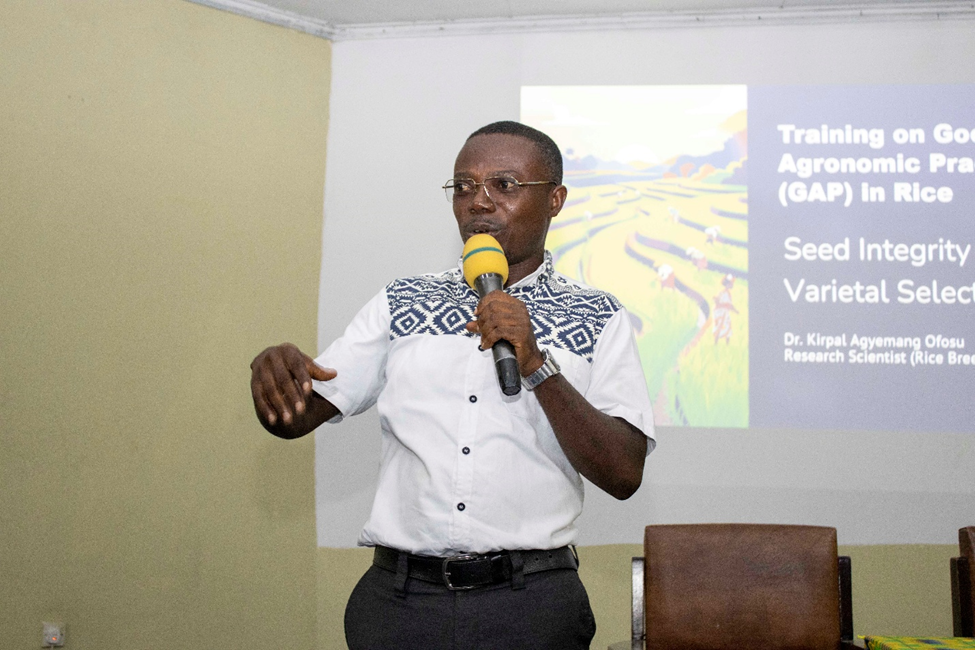
Dr. Kirpal Agyemang Ofosu, a Rice Breeder at CSIR-CRI and the Principal Investigator of the KAFACI Rice Project, opened the technical sessions with a challenge to the room: Ghana spends approximately half a billion US dollars every year importing rice, and the country’s self-sufficiency rate hovers at around 50 percent. Those are not abstract statistics — they represent foreign exchange leaving the country, income not reaching Ghanaian farmers, and a food security vulnerability that threatens millions of households. This gap, he argued, could be significantly reduced if farmers made better decisions right at the start of the season — beginning with which seed goes into the ground.
He explained that Ghanaian consumers have clear preferences: long-grain, aromatic, and low-to-intermediate amylose varieties that cook soft and slightly sticky — the kind of rice suited to local dishes and increasingly demanded in urban markets. Planting a variety that meets those preferences is not just a matter of agronomics; it is a direct route to profitability at harvest. Yet too many farmers continue to rely on farmer-saved seed — seed that, over successive generations, loses genetic purity, accumulates disease, and produces unpredictable yields. “Certified seed is tested for germination, screened for disease, and true to variety,” Dr. Ofosu reminded his audience.
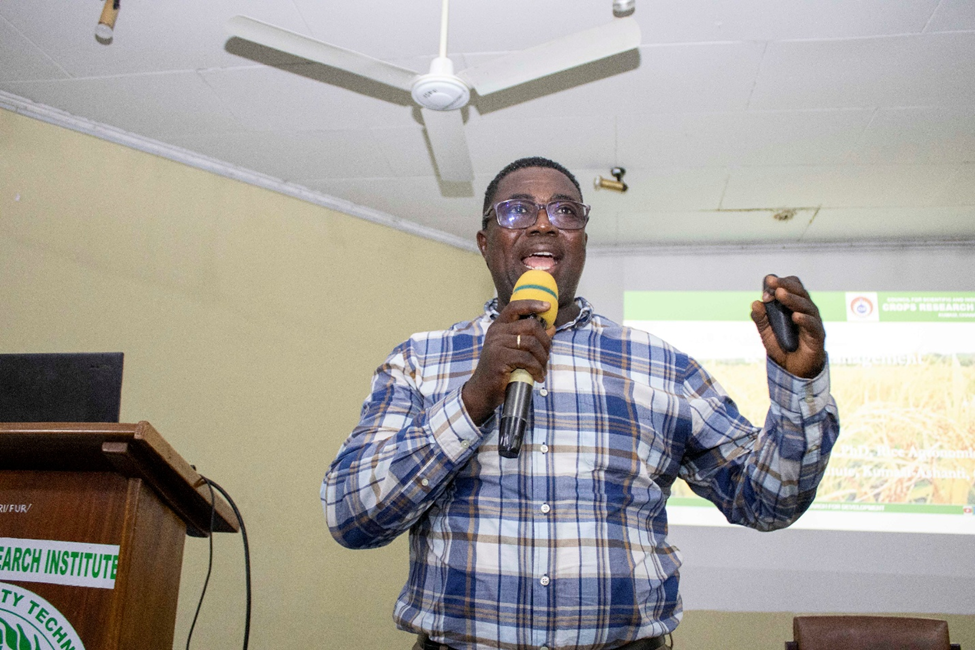
Participants also learned the relevance of careful site selection combined with good agronomic practices to sustainable rice yields. Emphasis was also made on the soil type, water availability, drainage conditions as very necessary for a good rice performance. Dr. Charles Afriyie-Debrah introduced them to Alternate Wetting and Drying (AWD), a water management technique that has gained traction globally for its ability to conserve water without sacrificing yield. Rather than maintaining continuous flooding, AWD allows the field to dry to a defined threshold before re-irrigation. The result: meaningful water savings, improved root development, and a reduction in methane emissions — a benefit that increasingly matters to climate-conscious buyers and international value chains.
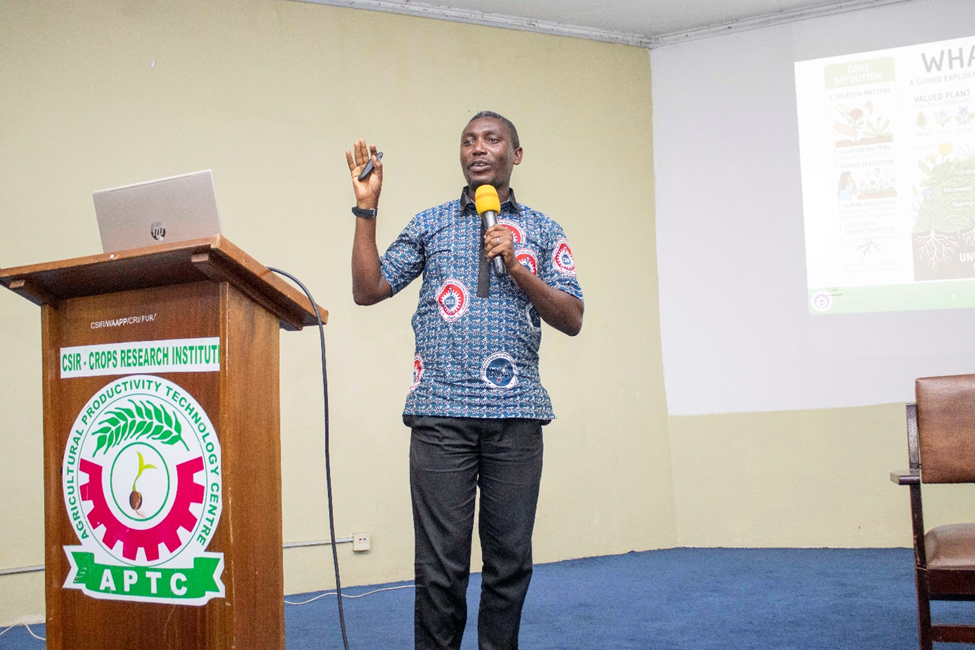
Other topics such as “Integrated Weed Management in Rice” as well as “Rice Seed Postharvest Handling and Processing” were also covered by various experts at the Institute. Dr. Stephen Arthur highlighted the importance of early and timely weed control, especially during the early growth stages of rice. He emphasized that delayed weed control leads to irreversible yield losses. He also discussed the need for proper field monitoring to identify dominant weed species in order to select the appropriate control methods. A key point in his presentation was the need for farmers to understand the active ingredients and chemical composition of weedicides, rather than relying solely on brand names. This knowledge, he noted, helps farmers to choose the correct herbicide for the specific weeds present int their fields. Dr. Emmanuel Asamoah Adjei, a Senior Research Scientist at the Institute, emphasized the importance of timely harvesting to avoid seed deterioration and also proper threshing, cleaning and grading of seeds to ensure high quality seeds. He further stressed the importance of proper well ventilated storage conditions to preserve seed quality over time.
Field Observations
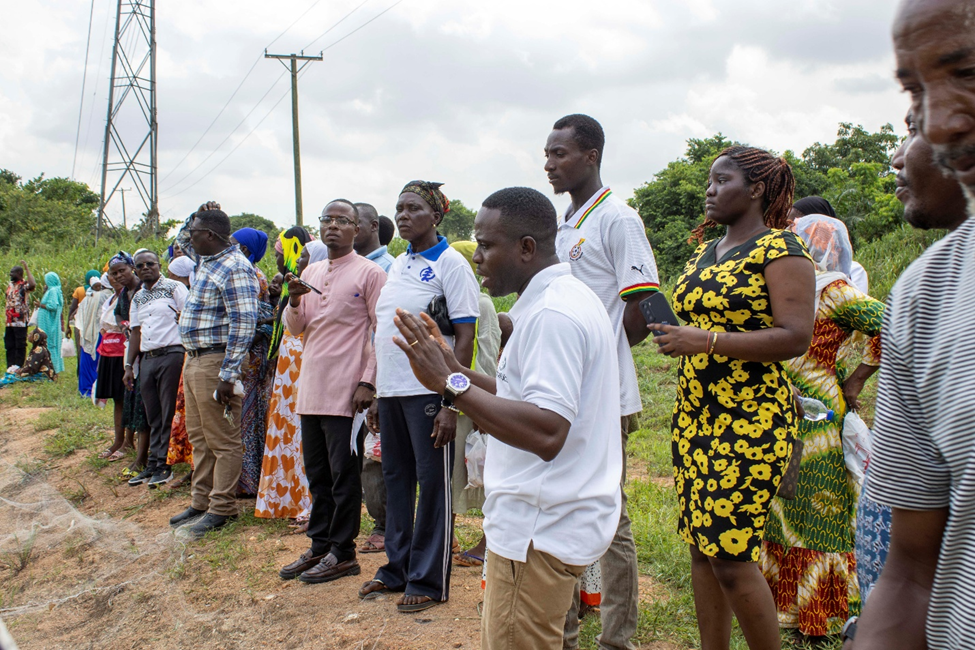
Participants were also taken through a practical field session, coordinated by Mr. Daniel Gamenyah, a rice breeder, where participants moved from the classroom to the paddy — putting eyes and hands on the concepts that had filled the technical presentations. They were taken through a comparative field demonstration involving three rice varieties; “CRI-Amankwatia”, “CRI-AgraRice” and “CRI-Agyapa” which had been cultivated under the same field conditions. The demonstration clearly showed noticeable differences in growth performance among the varieties. In particular, the “CRI-Agyapa” variety exhibited more vigorous growth, early maturity and better overall performance compared to the other two varieties, despite being planted within the same period, making this variety preferable in the face of climate change. This provided firsthand evidence of the importance of selecting appropriate and improved rice varieties.
Connecting the Dots: The Full GAP Approach
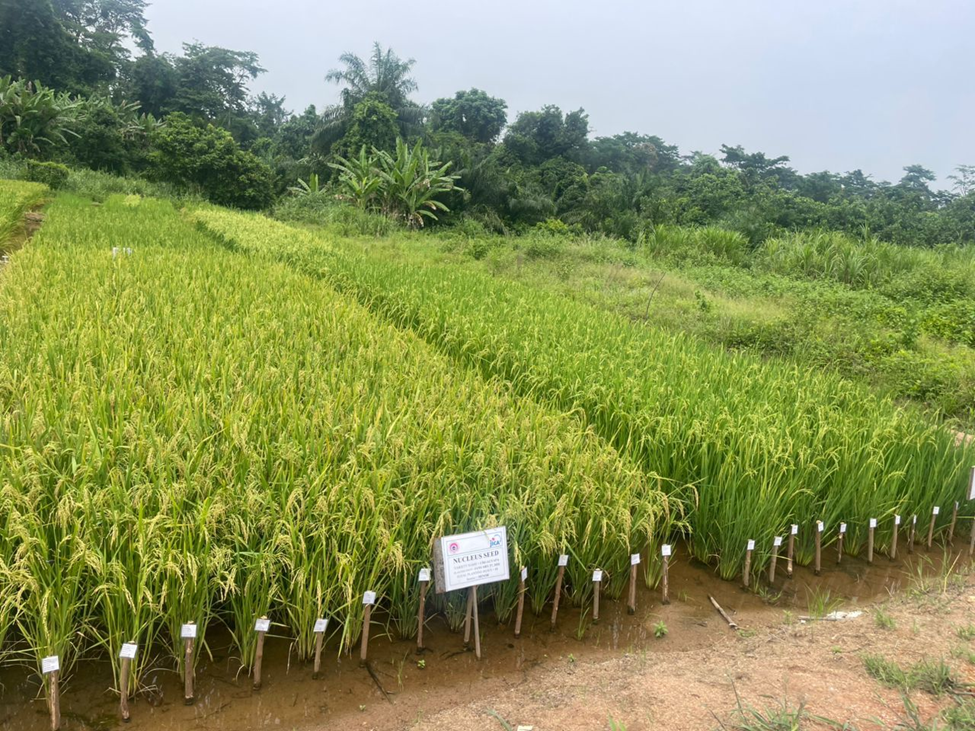
A recurring theme throughout the training was that no single practice guarantees success. Instead, high productivity comes from combining all elements of GAP: Quality certified seed, Proper land preparation, Effective water management, Timely weed control, Good harvesting and post-harvest practices. As one facilitator summarized, “The right seed alone is not enough—every step must be done right.”
For many of the participants, the training reinforced something the researchers at CSIR-CRI have long understood: the gap between Ghana’s current rice production and its full potential is not a mystery, and it is not primarily a function of missing resources. It is, to a significant degree, a knowledge gap — one that events like this training are designed, systematically, to close.


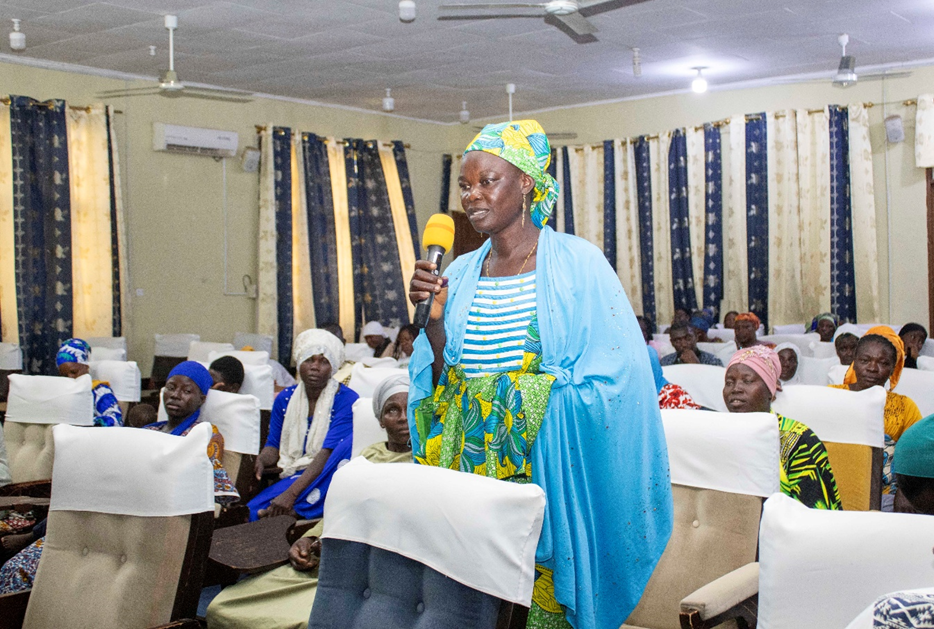
Beyond the technical sessions, what stood out most was the level of participation. Farmers shared their own experiences—challenges with erratic rainfall, labor shortages, and access to inputs—while researchers responded with tailored, science-backed solutions. This two-way exchange transformed the training into a collaborative learning space, reinforcing the role of farmers not just as beneficiaries, but as partners in agricultural innovation.
Contributors: Bernard Sakyiamah, Kirpal Agyemang Ofosu, Elizabeth Norkor Nartey, Daniel Gamenyah, Charles Afriyie-Debrah, Emmanuel Asamoah Adjei, Stephen Arthur, Dennis Gyasi Boakye, Enoch Bobie Agyemang
