
SporeSmart: Harnessing AI to Combat Fusarium Disease
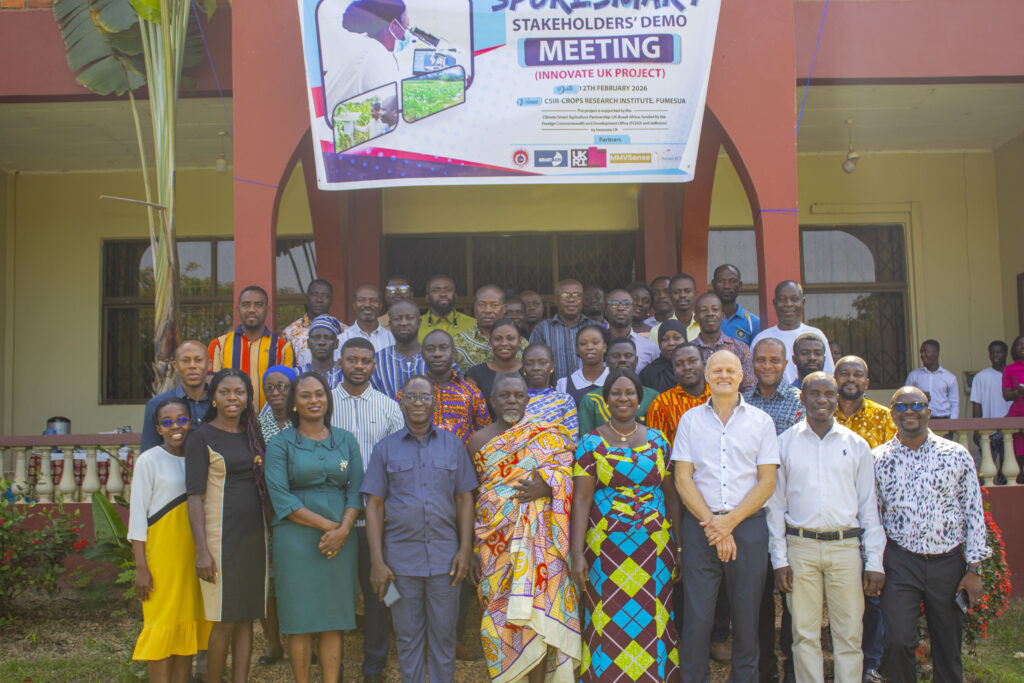
In a significant step towards addressing global food insecurity, the CSIR-Crops Research Institute (CRI) in Fumesua hosted a groundbreaking event on 12 February 2026. The spotlight was on the SporeSmart project, a pioneering collaboration between the UK, Brazil, and Ghana aimed at tackling Fusarium-related diseases that threaten staple crops worldwide.


The project, supported by the Climate Smart Agriculture Partnership and funded by the Foreign, Commonwealth & Development Office (FCDO), is piloting AI-driven surveillance in Ghana to enable earlier detection and faster intervention. Delivered by Innovate UK in collaboration with partners from the UK, Brazil, and Africa, SporeSmart is poised to make a lasting impact.

The SporeSmart Stakeholder Meeting commenced with a warm welcome address from the Deputy Director of CSIR-CRI, Dr. Mrs. Patricia P. Acheampong. “Fusarium diseases are a ticking time bomb, threatening the very foundations of our food systems,” she emphasised. “But today, we gather with hope and determination, armed with innovative solutions to combat this menace.” Dr. Acheampong highlighted the project’s cutting-edge approach, including the SporeSmart device and AI-based application, which enable real-time field surveillance and data-driven insights. “These technologies will revolutionise farming practices, reducing crop losses, minimising pesticide use, and promoting environmentally responsible agriculture,” she added. Dr. Acheampong expressed gratitude to Innovate UK and acknowledged the project partners for their technical expertise and commitment.


Project Activities and Outcomes
Dr. Kwesi Atta Aidoo Snr., the Country Lead, and a Senior Research Scientist, presented the activities and outcomes.


Key objectives included:
1. Deployment of the SporeSmart collector: Successfully tested in the field with minimal technical difficulties, capturing over 2,000 spore images.
2. Development of an AI application tool: Russell Bio Solutions Ltd. developed an AI application for Fusarium spore detection using over 900 annotated images from Ghana, accessible via (https://www.sporesmart.net/index.php ).
3. Assessment of Dynamic WP: A biopesticide containing Bacillus amyloliquefaciens, showed varied performance in managing diseases like Fusarium wilt in tomato, ear rot in maize, and sheath rot in rice. It looked very promising and therefore need further studies.


Project Showcase
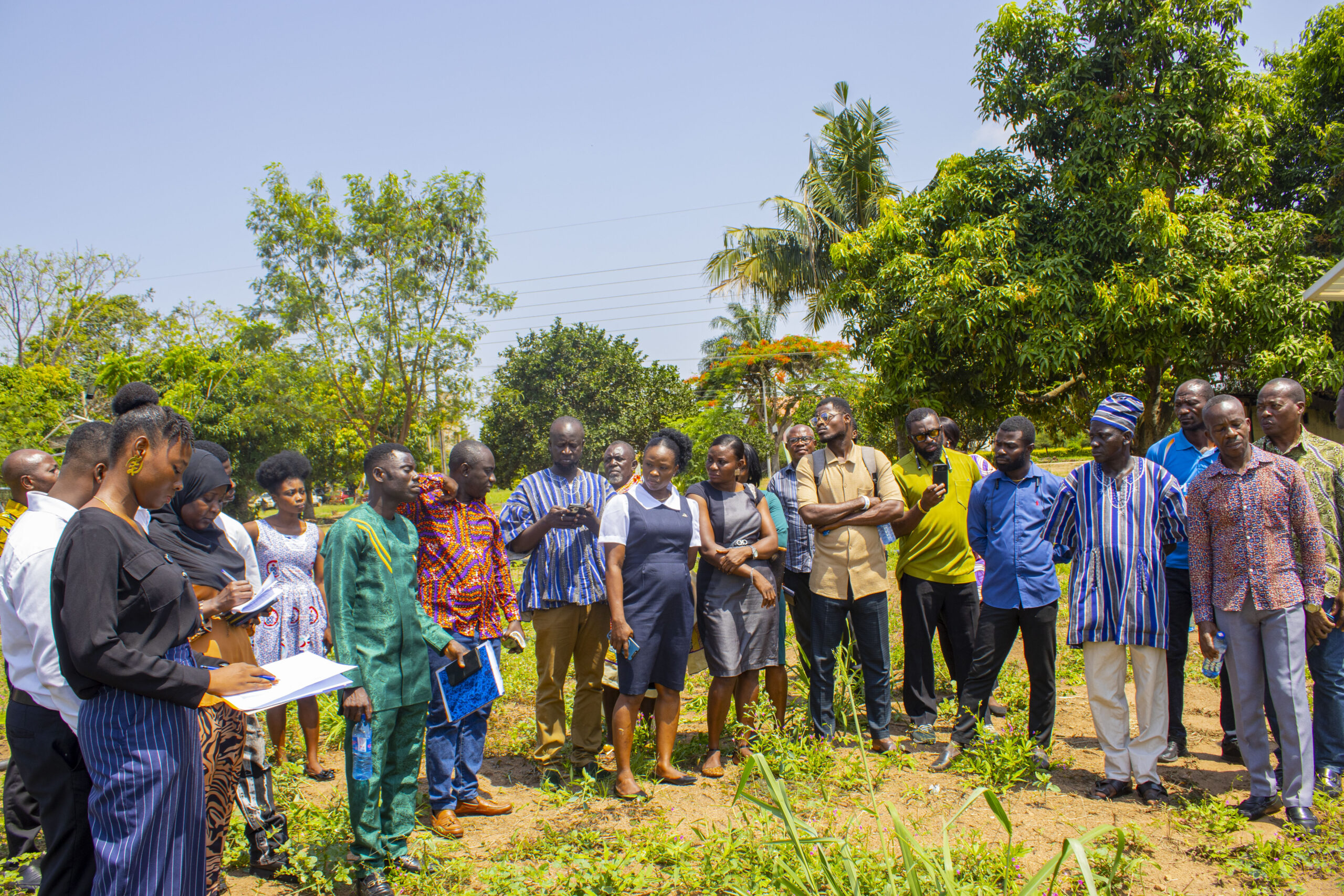
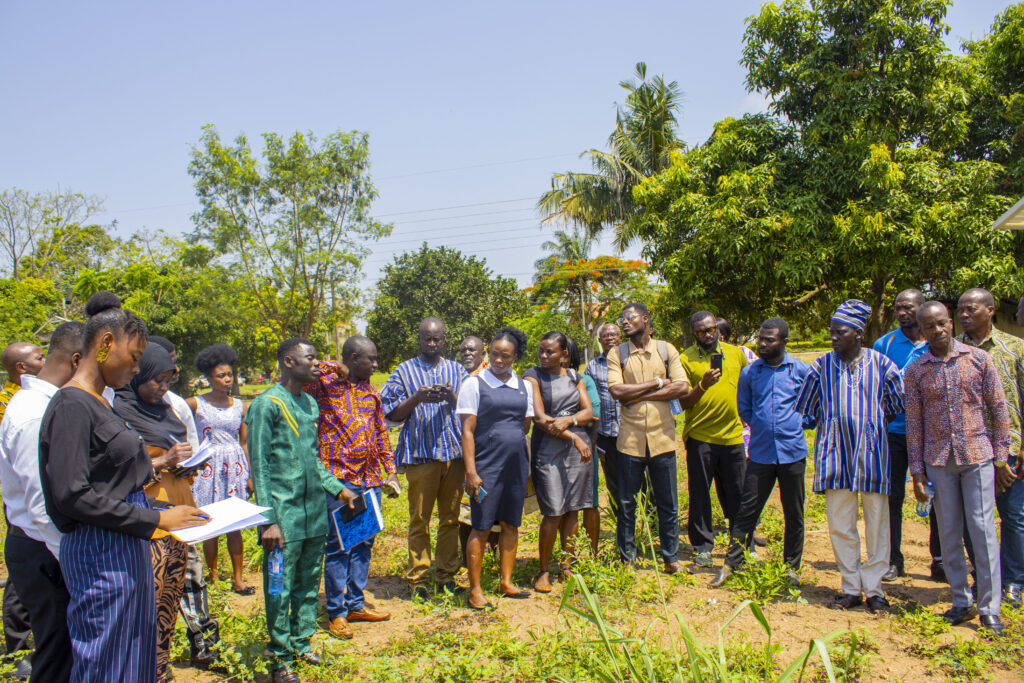
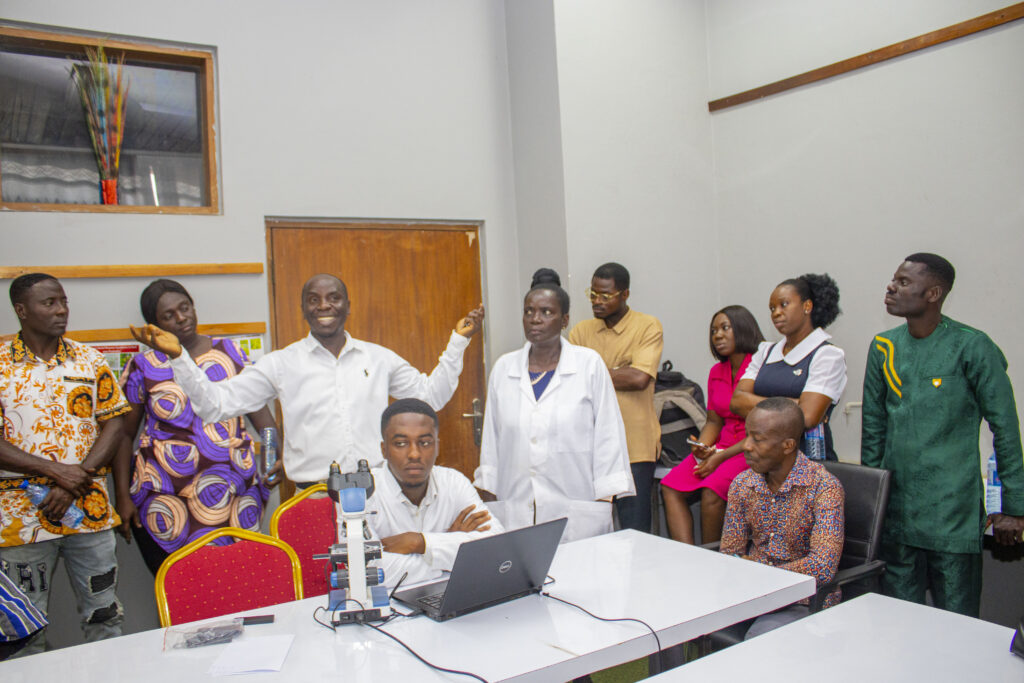
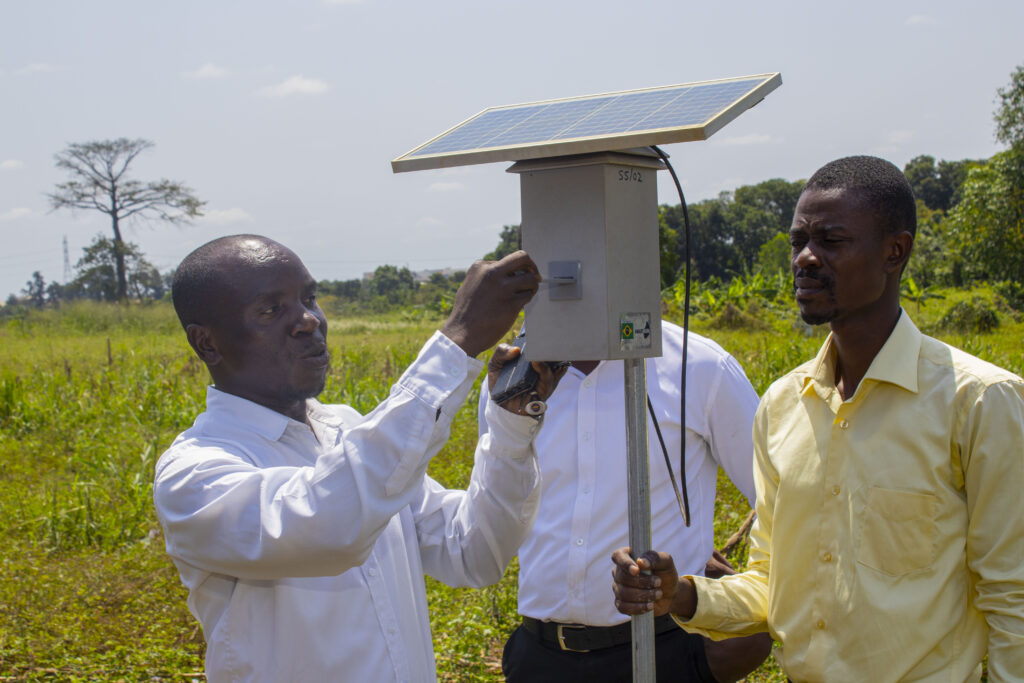
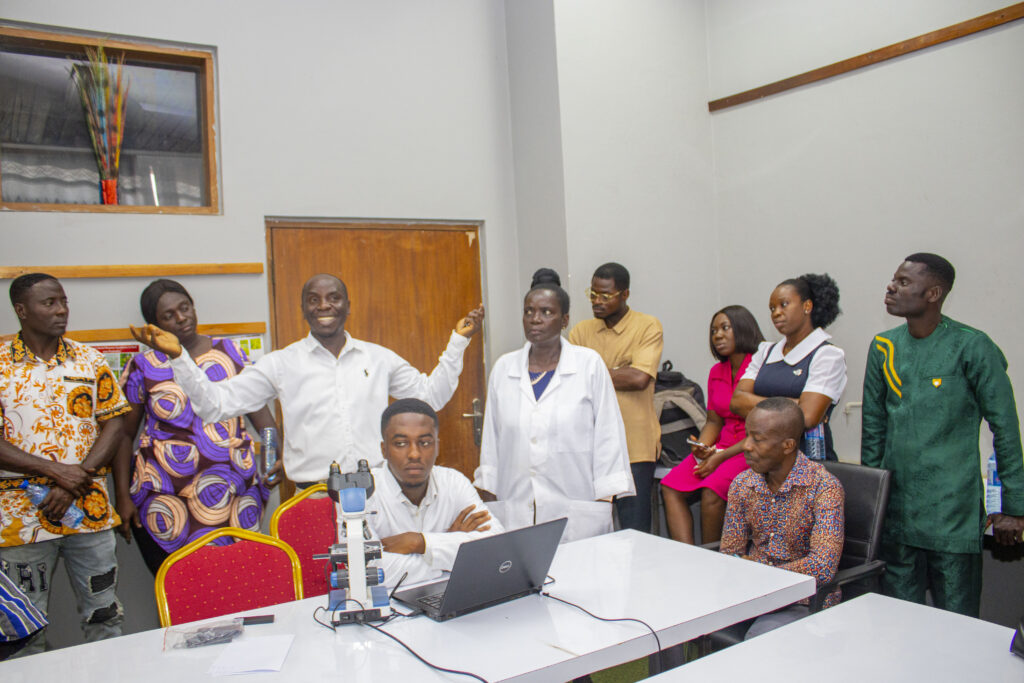
Stakeholders had a firsthand look at the project’s innovations through laboratory and field visits. At the lab, the team demonstrated the SporeSmart collector’s ability to capture and analyze fungal spores efficiently, and showcased the AI application’s user-friendly interface and accuracy in detecting Fusarium spores. The field visit highlighted the SporeSmart collector’s operation, showcasing its solar-powered functionality and continuous operation in the field (24 hr), as well as its ability to capture disease samples for laboratory analysis using the AI application.
Conclusion
The SporeSmart project has taken significant strides in combating Fusarium diseases, showcasing innovative solutions for sustainable agriculture. The collaborative efforts of project partners and stakeholders hold great promise for improving crop health, reducing losses, and ensuring food security. As the project moves forward, its impact is expected to be felt across Ghana and beyond, contributing to a more resilient and sustainable food system.

Contributors: Lynda G.S. Nsafoah, Clara Boateng, Riis Andreas Asare
Publisher: Enoch Bobie Agyemang
