CSIR-CRI HOSTS STUDENTS FROM IOWA STATE UNIVERSITY
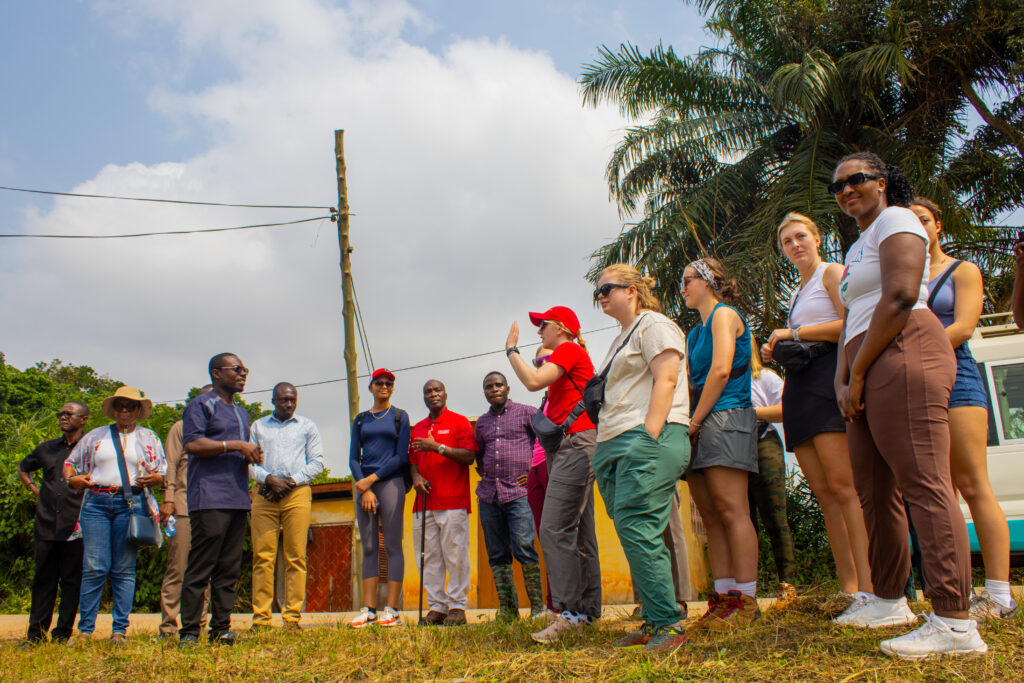
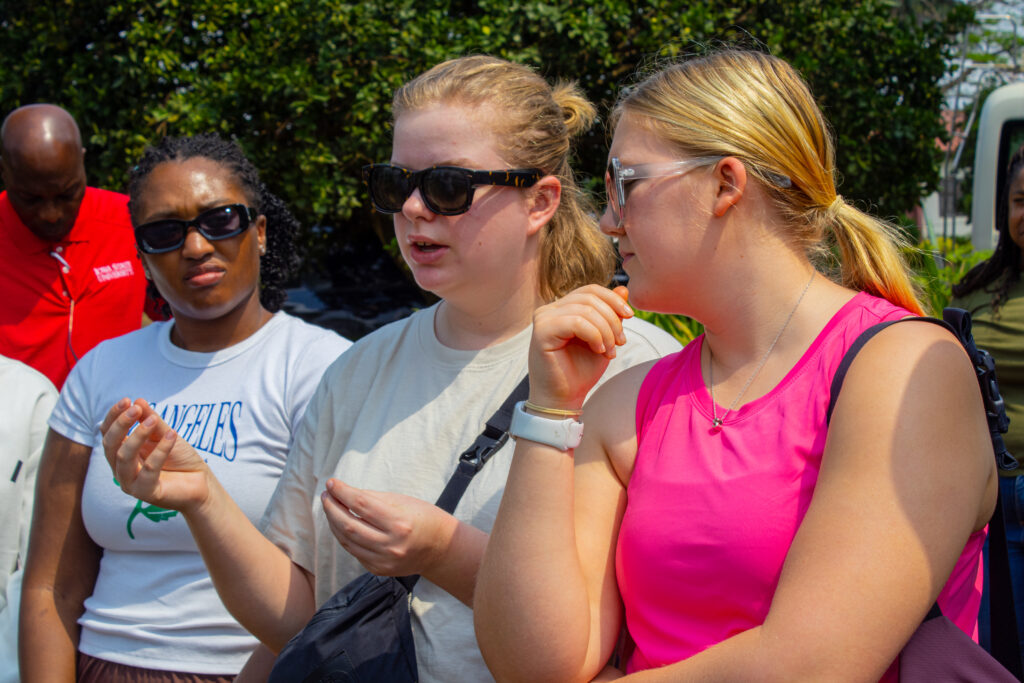
The CSIR–Crops Research Institute (CSIR-CRI) has hosted a delegation of students from the Iowa State University College of Agriculture and Life Sciences, USA, as part of an academic exchange and experiential learning programme aimed at strengthening international collaboration in agricultural research and education.
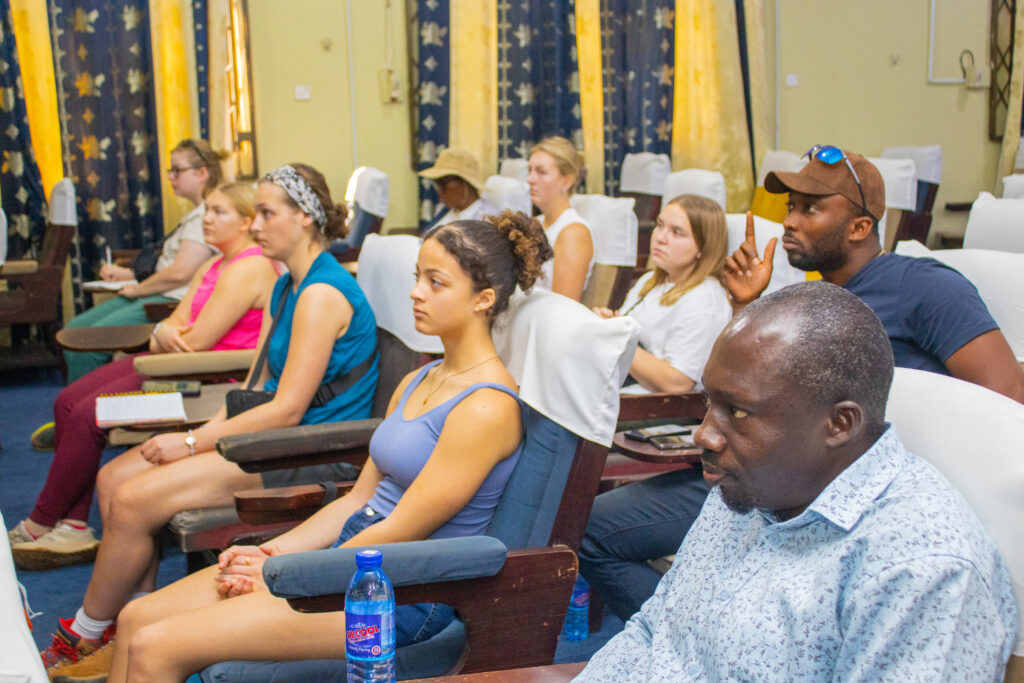
The visit formed part of the students’ study tour to gain first-hand exposure to tropical agricultural systems, crop improvement research, and the role of national research institutions in enhancing food security and sustainable agriculture in sub-Saharan Africa. The delegation which was led by Dr. Theresa Cooper, an assistant Dean for Diversity, Dr David Kwaw-Mensah, an associate teaching professor, and Mr. Jodi Cornell, the Director of Ghana study abroad program was warmly received by Management and senior researchers of the Institute.

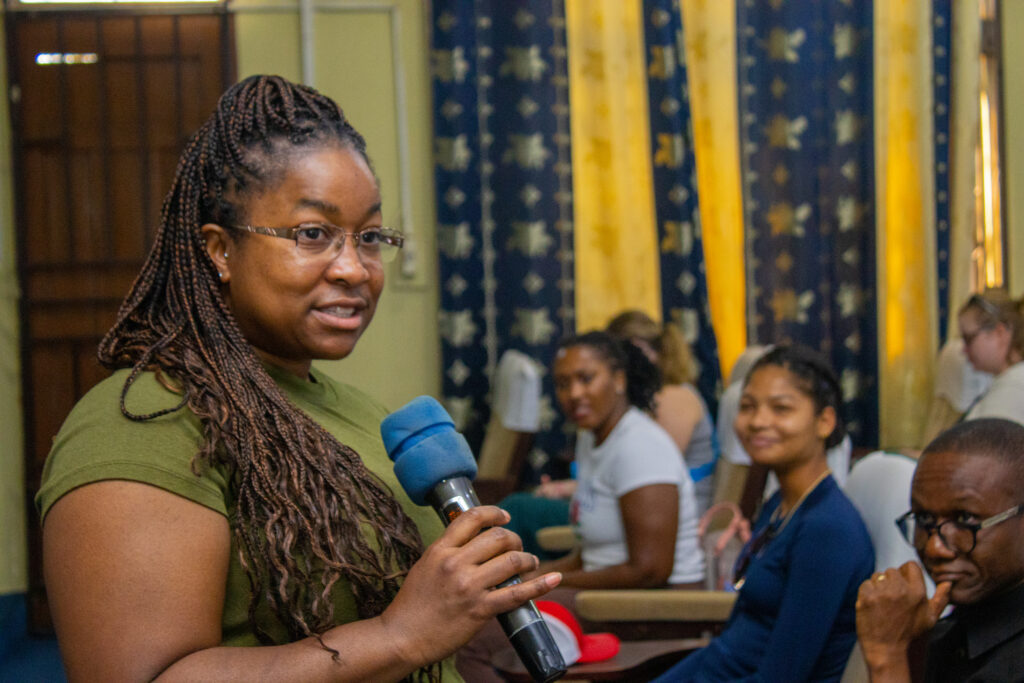
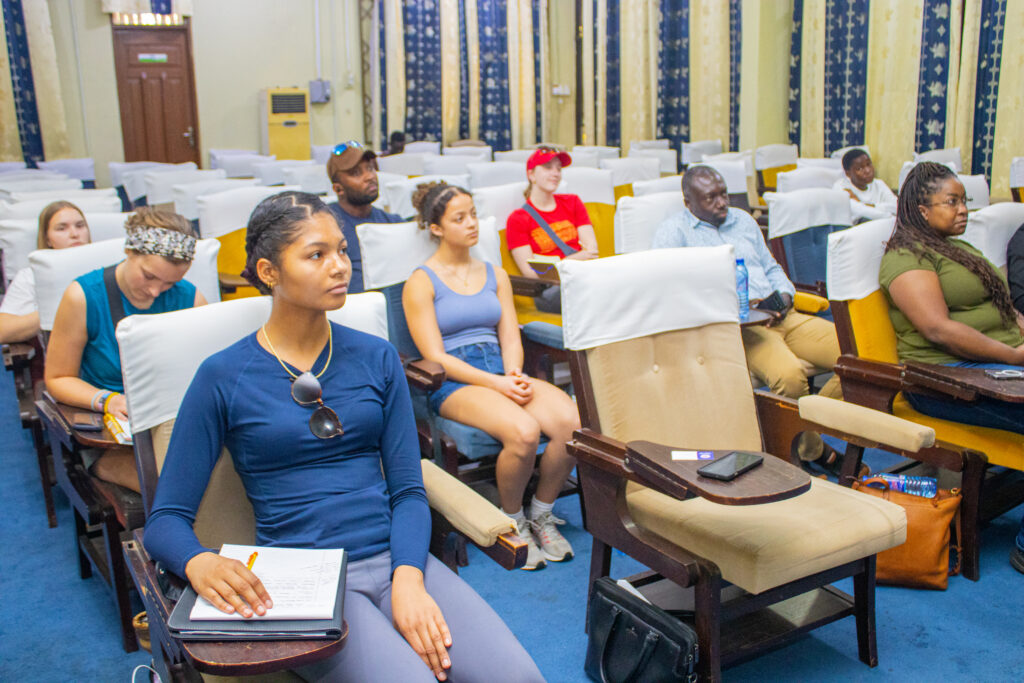
In a welcome address, the Director of the Institute, Prof. Maxwell Darko Asante, highlighted the Institute’s mandate, core research programmes, and its contributions to crop improvement, seed systems development, climate-smart agriculture, and capacity building for farmers and stakeholders across Ghana and the West African sub-region. The students were also briefed on CSIR-CRI’s long-standing collaborations with international universities, research organizations, and development partners.
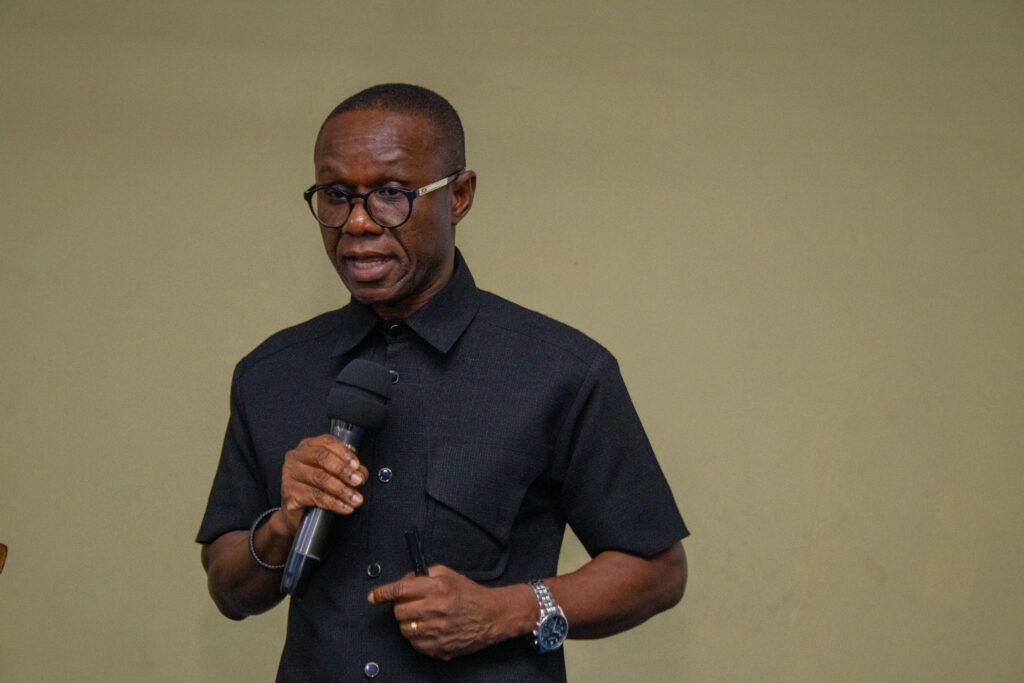
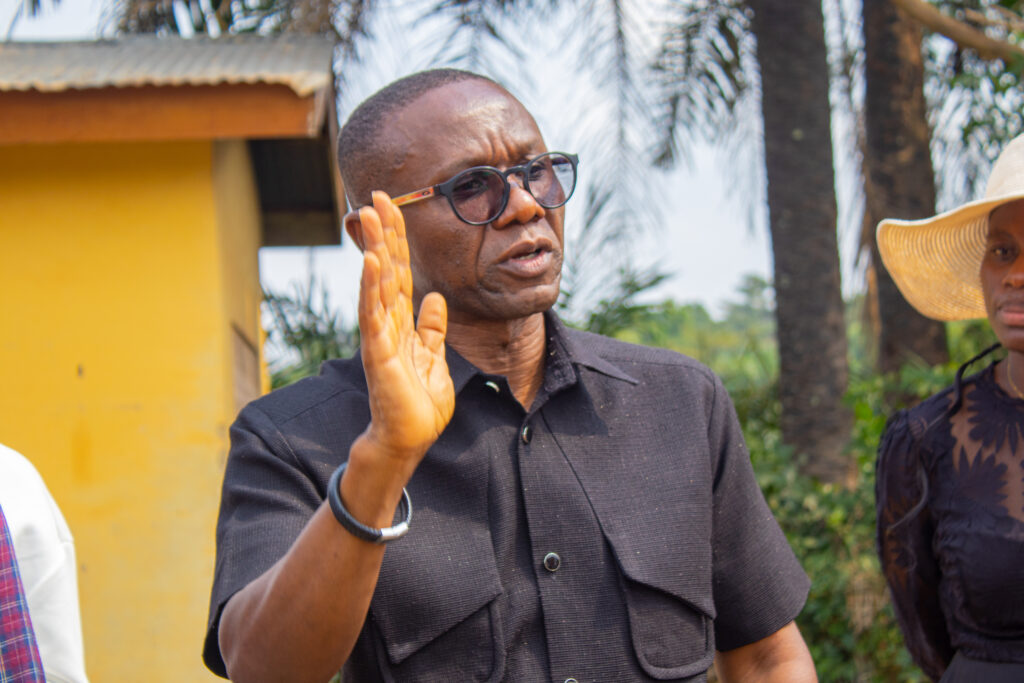
The students participated in interactive sessions covering key research areas including rice, maize, legumes, roots and tubers improvement, plant pathology, biotechnology, and postharvest management. Researchers shared insights into ongoing projects, innovative technologies, and the challenges and opportunities associated with crop production under changing climatic conditions.

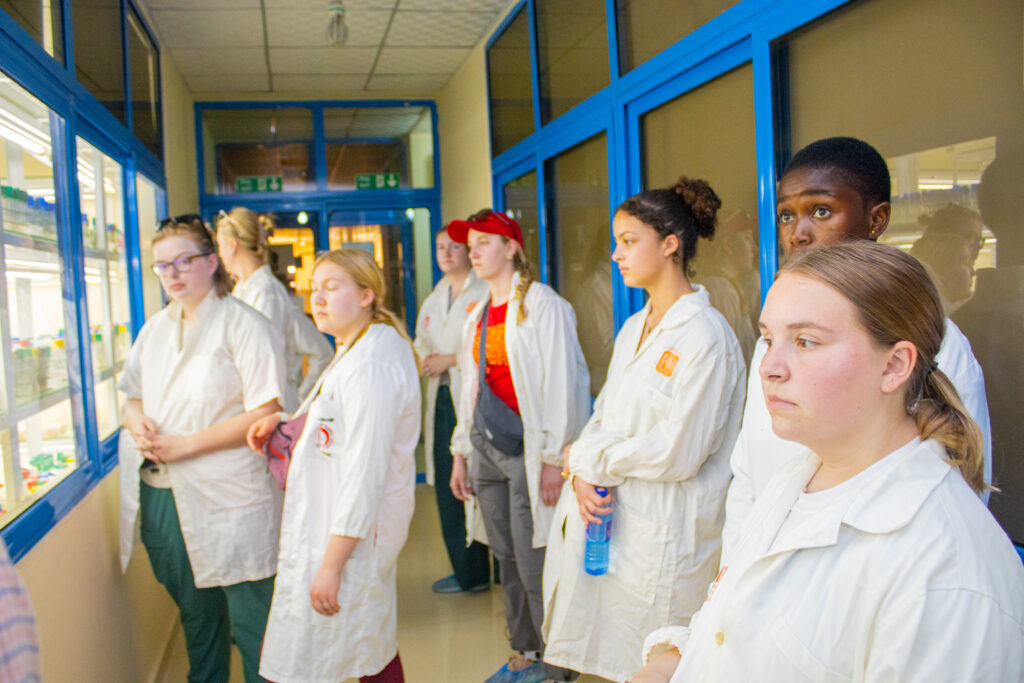
As part of the programme, the delegation toured the Institute’s research fields and the biotechnology laboratories, where scientists demonstrated laboratory-based research activities such as seed quality analysis, plant disease diagnostics, soil and plant nutrient analysis, tissue culture, and molecular breeding techniques. These sessions provided the students with practical exposure to laboratory protocols and the application of advanced scientific tools in addressing real-world agricultural problems.
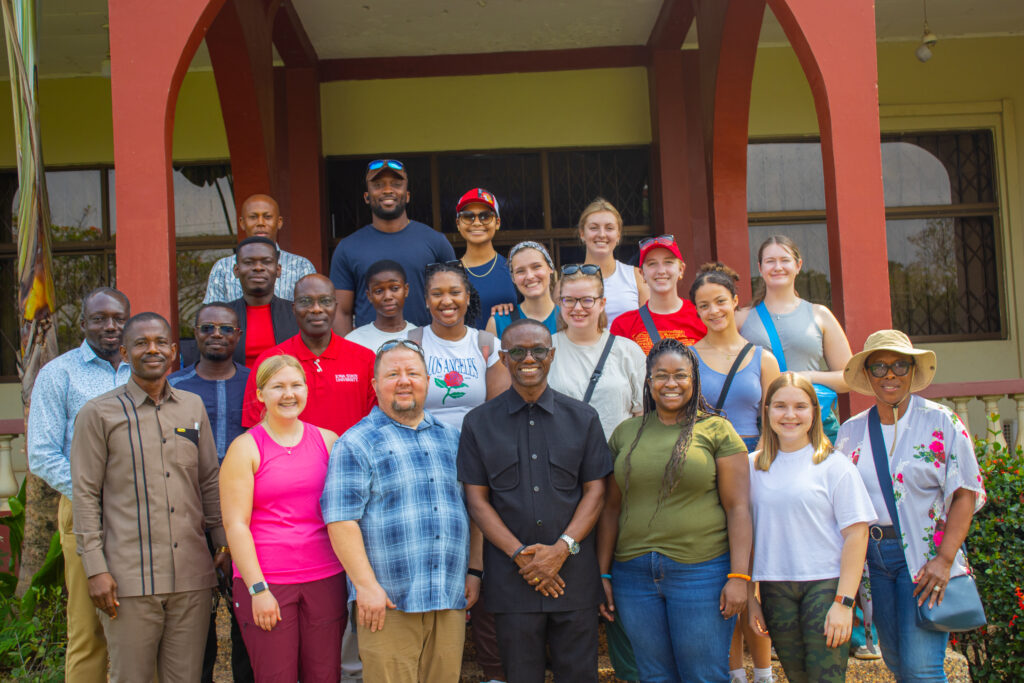
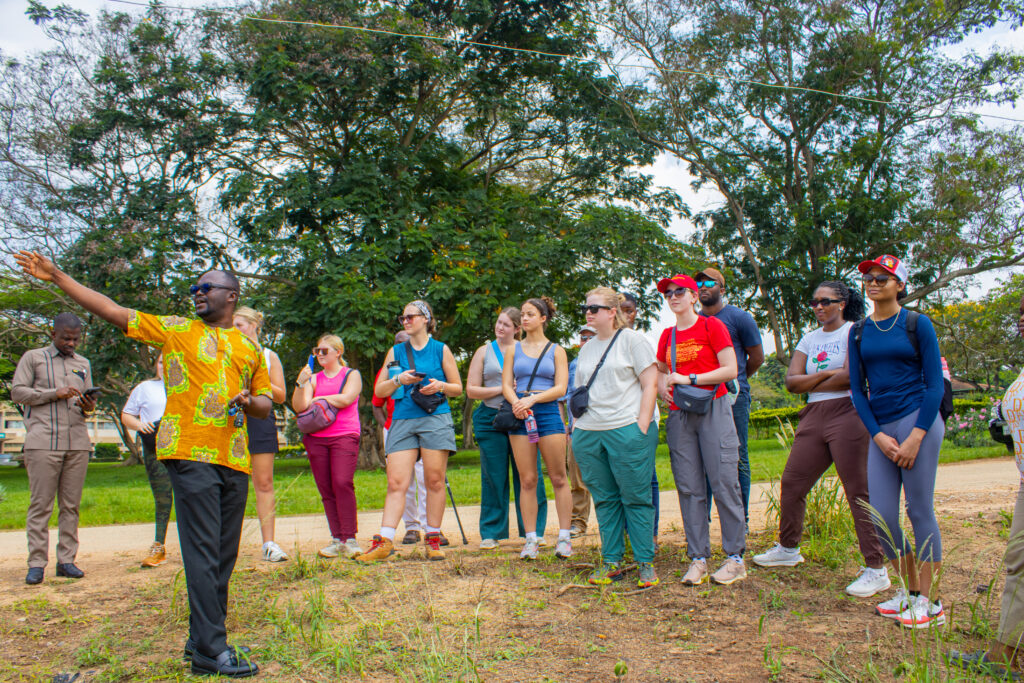
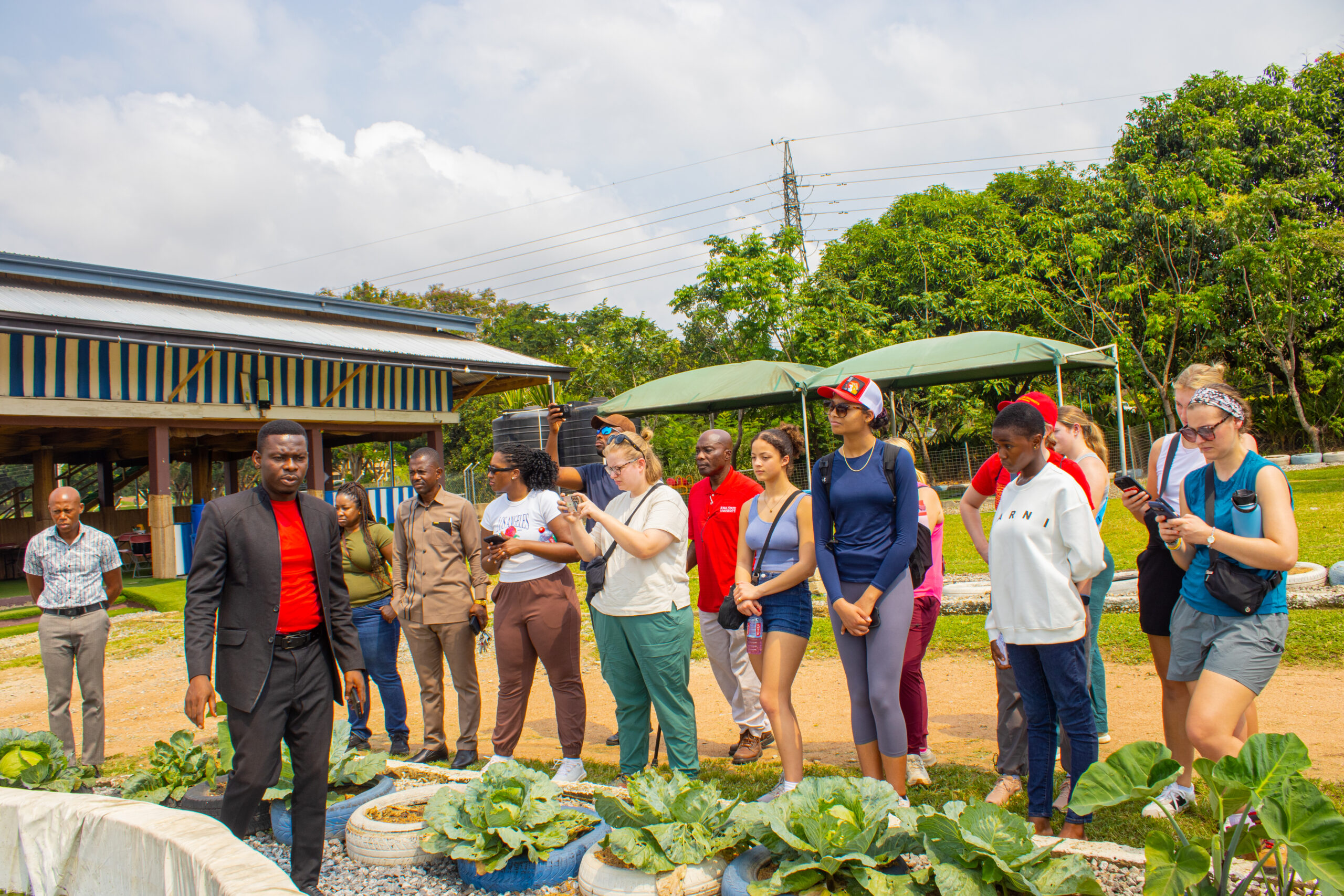
The students also visited CSIR-CRI’s technology parks and demonstration sites, where they were introduced to improved crop varieties, mechanization options, seed production technologies, and climate-smart innovations developed by the Institute. Researchers explained how technologies are validated, packaged, and transferred to farmers, agribusinesses, and other stakeholders to enhance productivity and resilience.
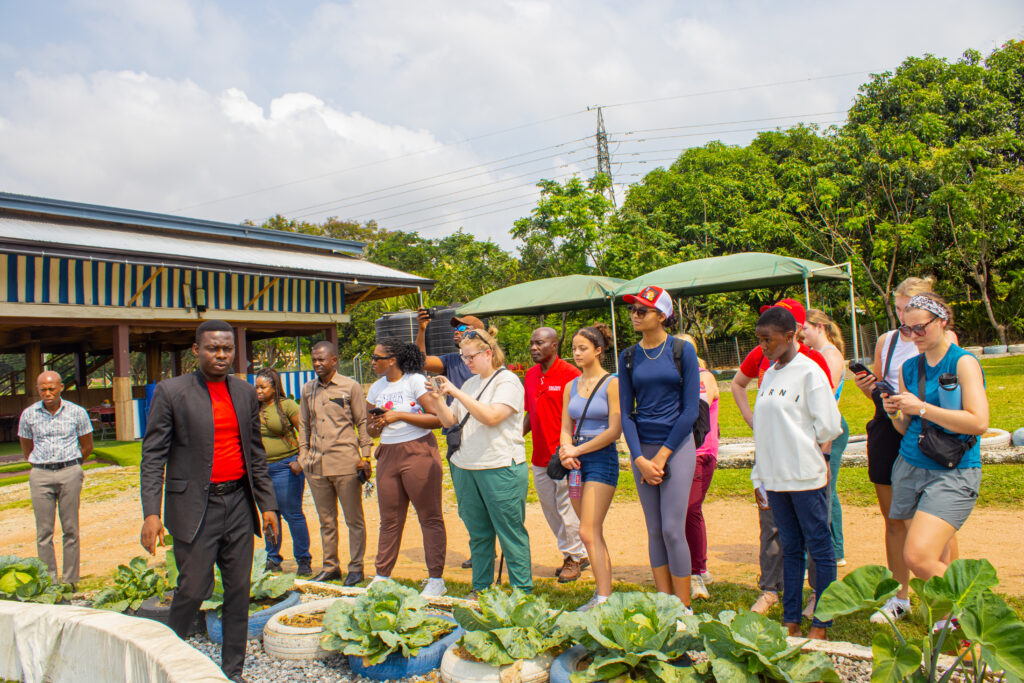
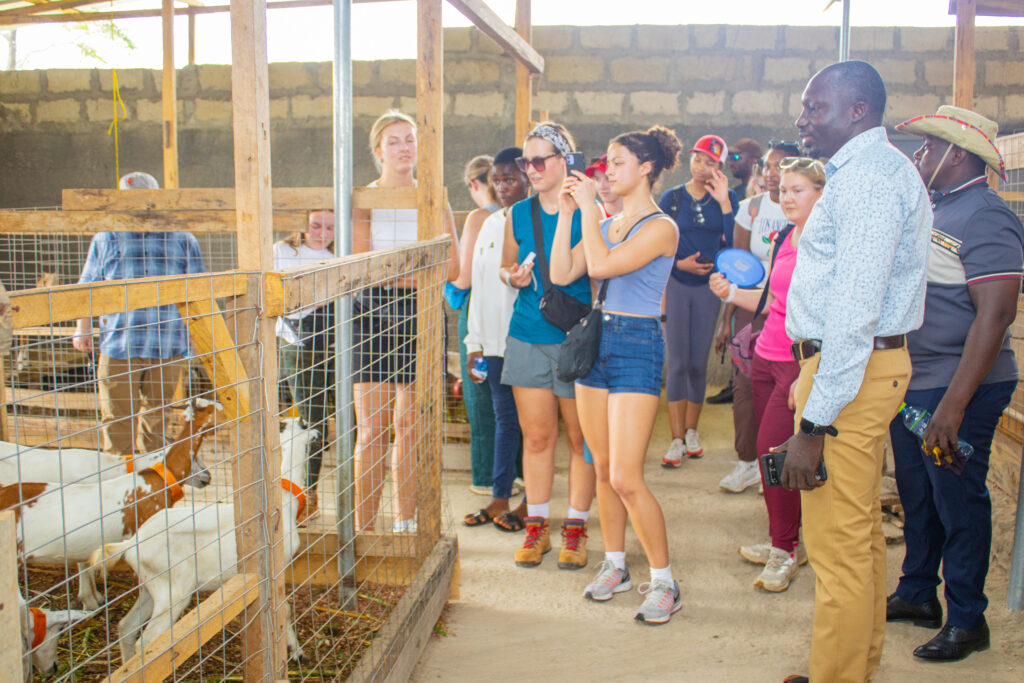
In addition, the delegation toured selected experimental fields and screen houses, observing on-going trials and engaging directly with researchers on experimental design, data collection, and results interpretation. The field and technology park interactions offered a valuable platform for comparative learning between temperate and tropical agricultural systems.
Speaking on behalf of the delegation, the team leader, Dr. Theresa Cooper expressed appreciation to CSIR-CRI for the warm reception and the depth of knowledge shared. The students commended the Institute for its impactful research and its role in supporting Ghana’s agricultural transformation agenda.
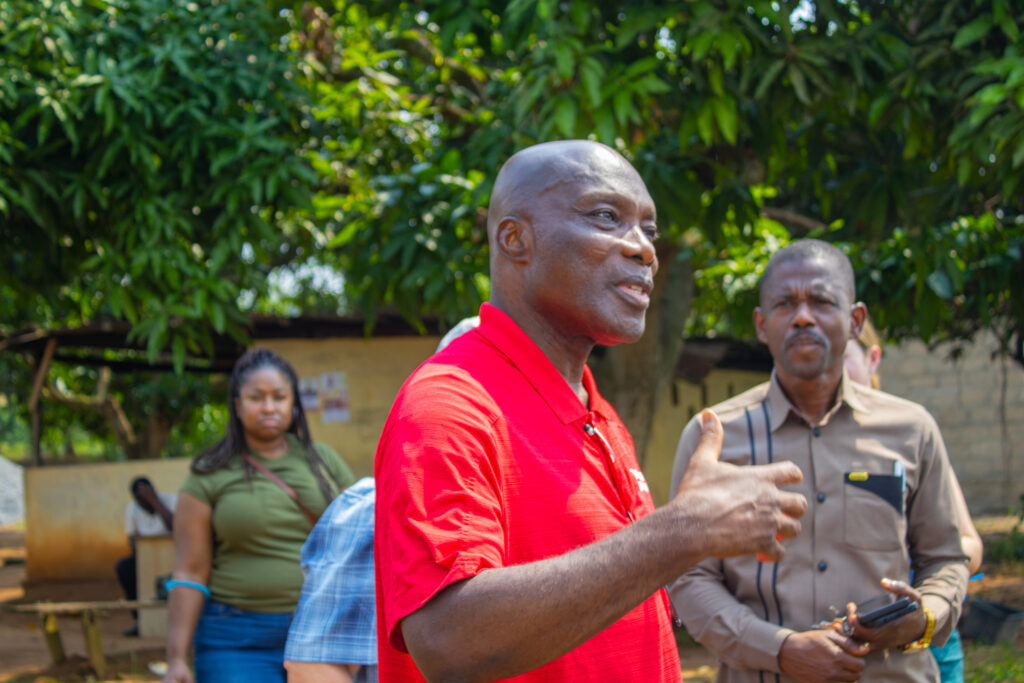
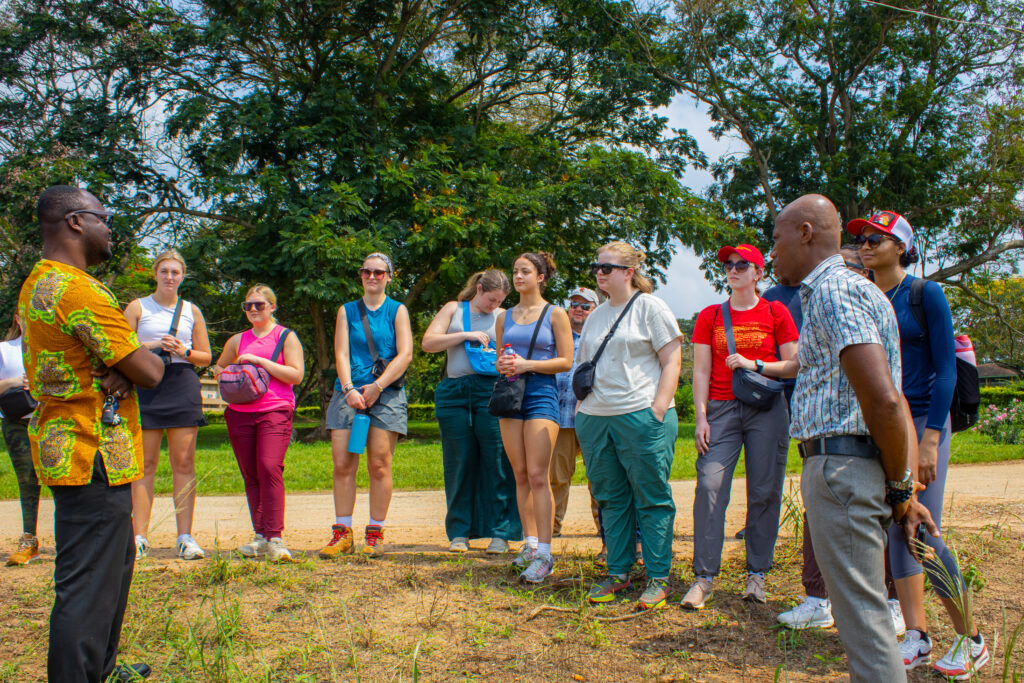
CSIR-CRI reaffirmed its commitment to fostering international academic partnerships and providing hands-on learning opportunities for students and young scientists. The visit is expected to strengthen collaboration between CSIR-CRI and Iowa State University in the areas of research, student exchange, and capacity development.
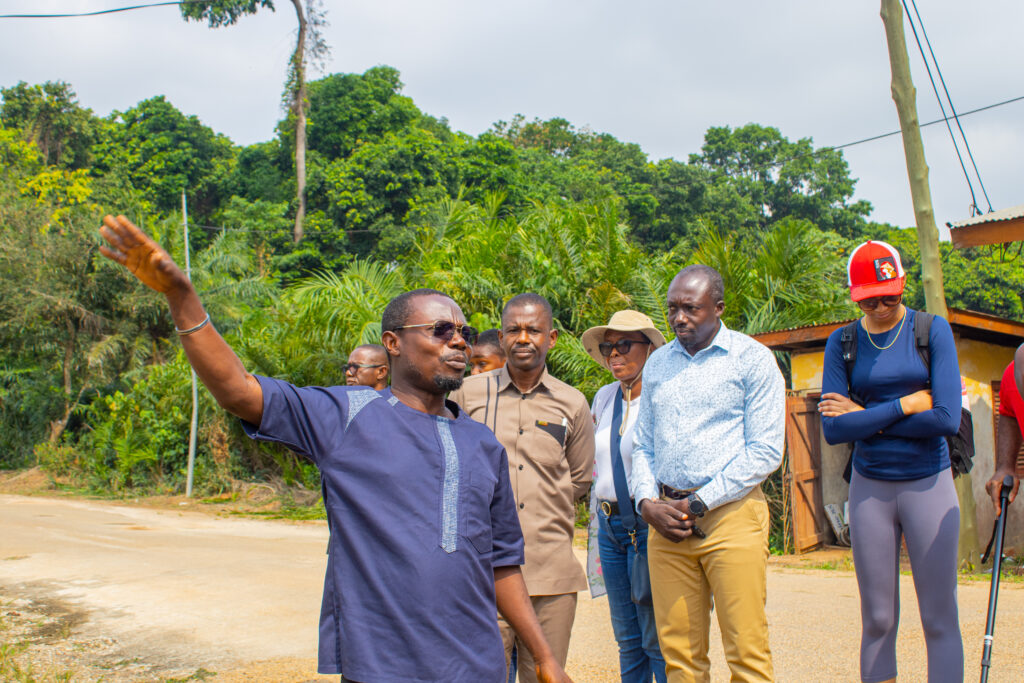
The Institute remains dedicated to promoting scientific excellence, innovation, and global partnerships in support of sustainable crop production and food security.
