
CSIR-CRI Holds Soybean Seed Field Day to Strengthen Ghana’s Food Systems
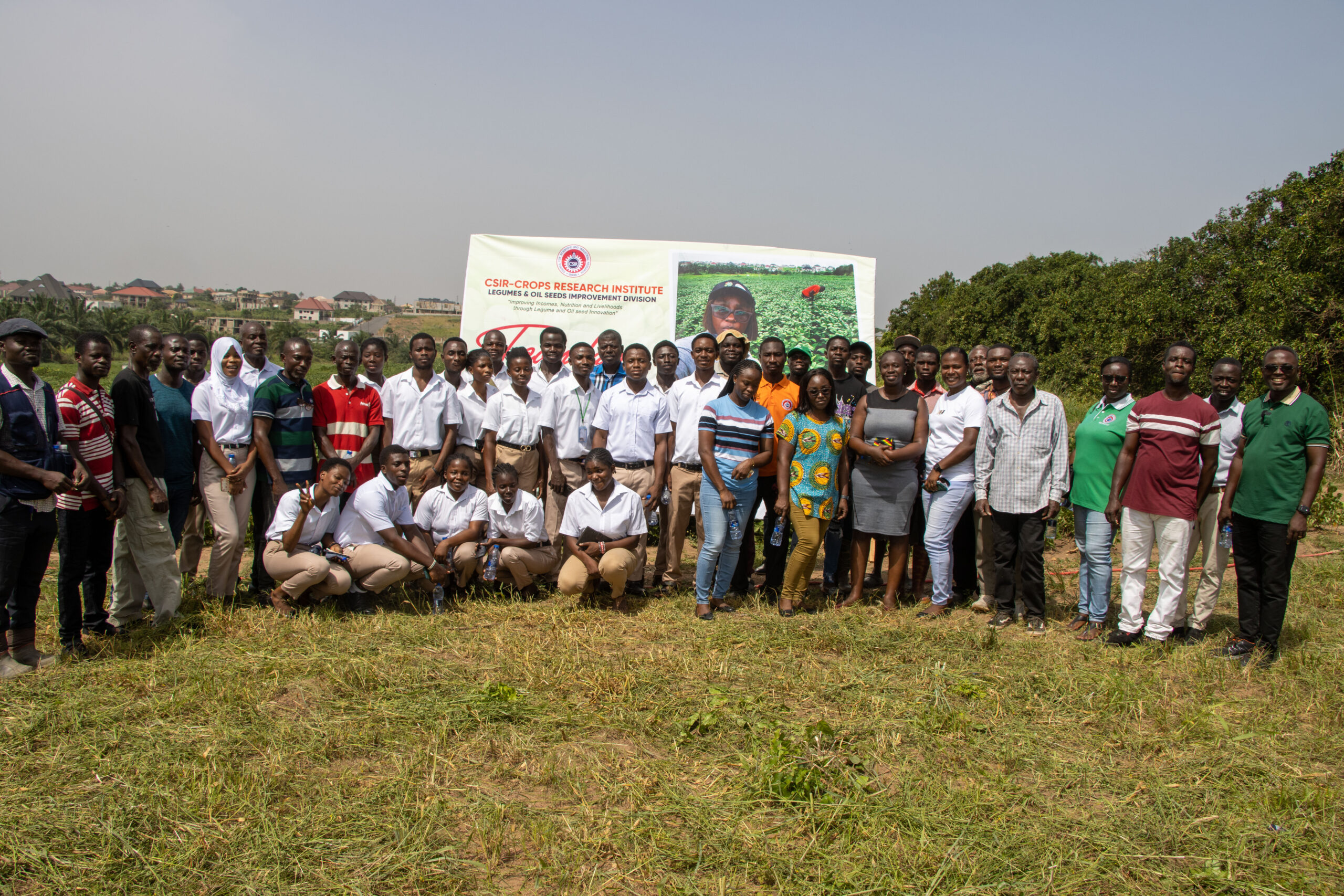
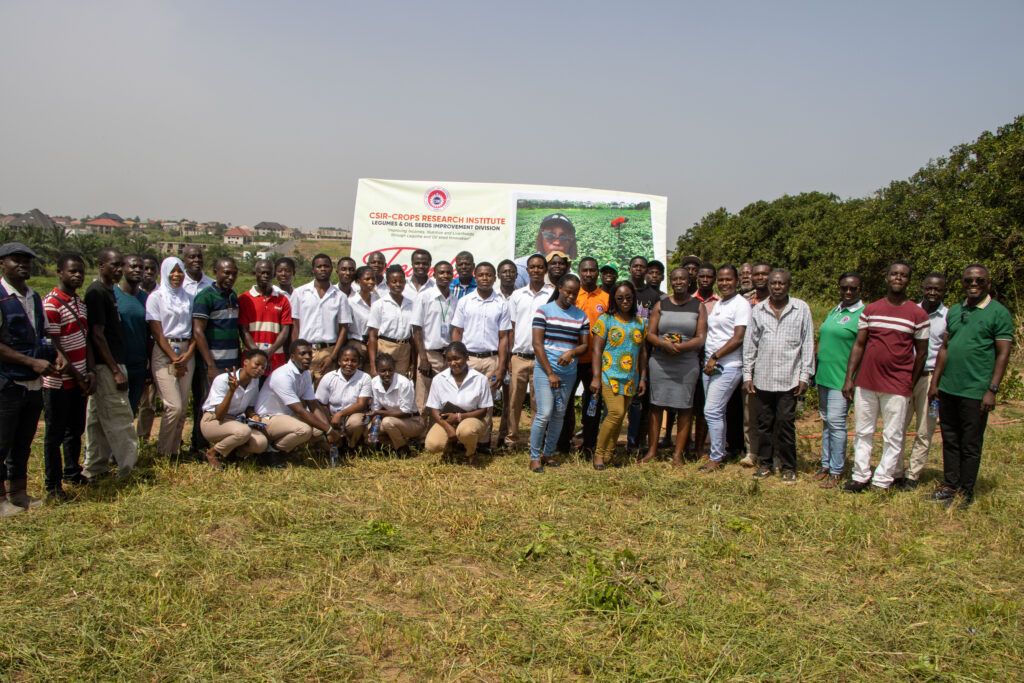
The Council for Scientific and Industrial Research–Crops Research Institute (CSIR-CRI) on Wednesday, 17 December 2025, held a Soybean Early Generation Seed Production Field Day at its Kwadaso Station in Kumasi, underscoring the Institute’s strategic role in strengthening Ghana’s soybean value chain through research, innovation, and partnerships. Other fields were located at Fumesua and Ejura, all in the Ashanti region.
The field day formed part of CSIR-CRI’s contribution to the Government of Ghana’s agricultural transformation agenda under the Feed Ghana Programme (FGP), which aims to achieve food sovereignty, drive agro-industrial growth, and create employment opportunities for the youth. The field day also highlighted the untapped potential for soybean cultivation in the middle belt of Ghana.
CSIR-CRI, established in 1964 and restructured under the CSIR Act, 1996 (Act 521), is Ghana’s leading agricultural research organisation and a centre of excellence in agricultural research, innovation, and capacity building. The Institute continues to lead the development and dissemination of climate-smart, nutrition-sensitive, and gender-responsive agricultural technologies for key crops across the country.
Strategic Partnerships for Soybean Development
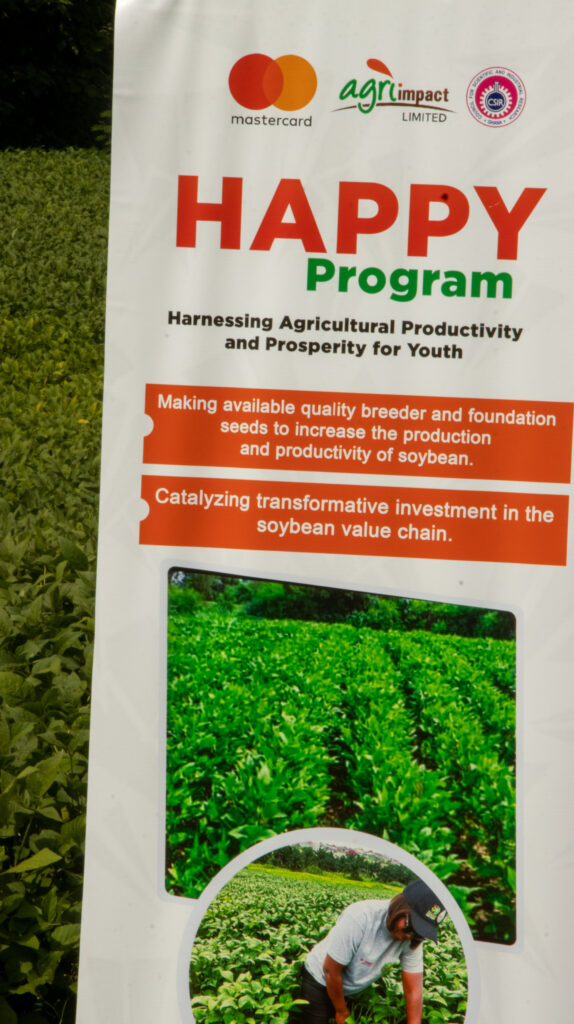
The event highlighted collaborative efforts between CSIR-CRI and two major programmes: Harnessing Agricultural Productivity and Prosperity for Youth (HAPPY) Project and the West Africa Food Systems Resilience Project (FSRP).
Through the Directorate of Crop Services of the Ministry of Food and Agriculture (MoFA) the two programmes are supporting the production of early generation seeds of Toondana, a leading soybean variety developed by CSIR-CRI. These interventions are designed to improve farmers’ access to quality breeder and foundation seeds to enhance productivity, climate resilience, and profitability, particularly for young farmers.
Promoting the Toondana Soybean Variety
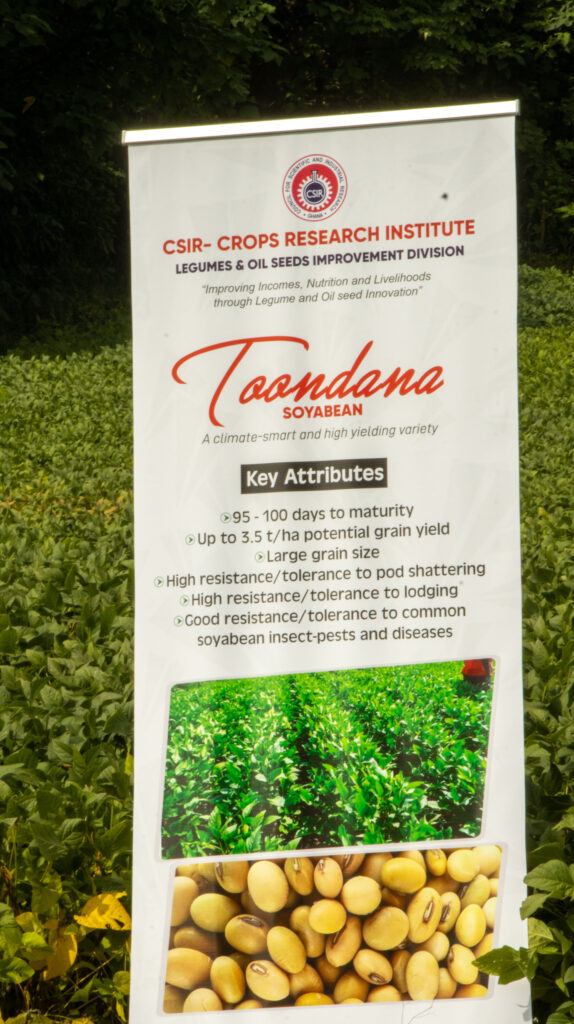
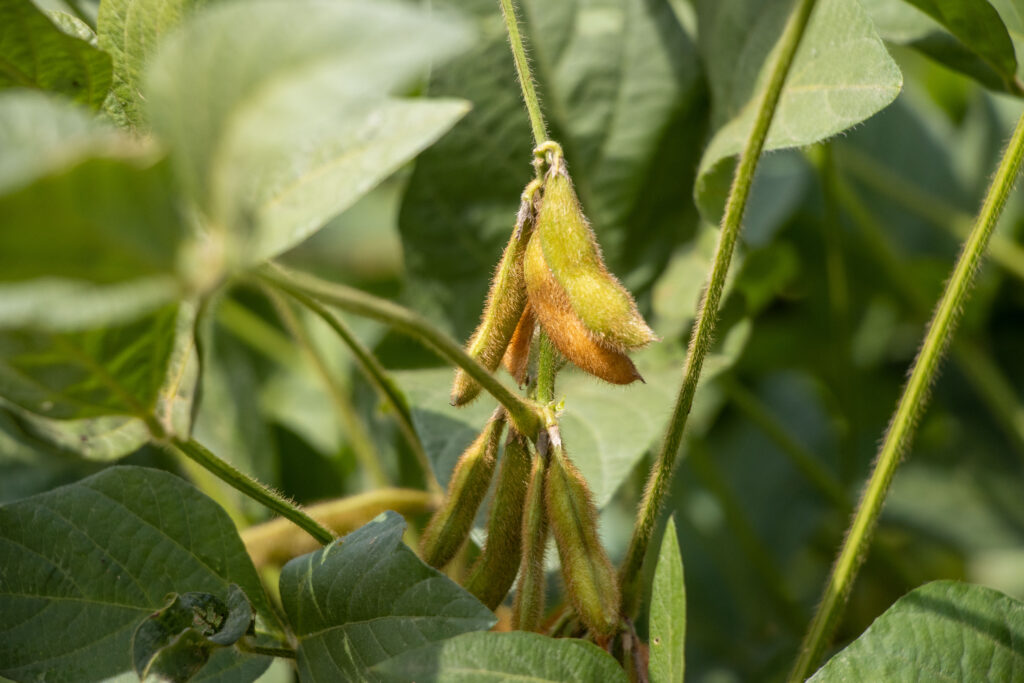
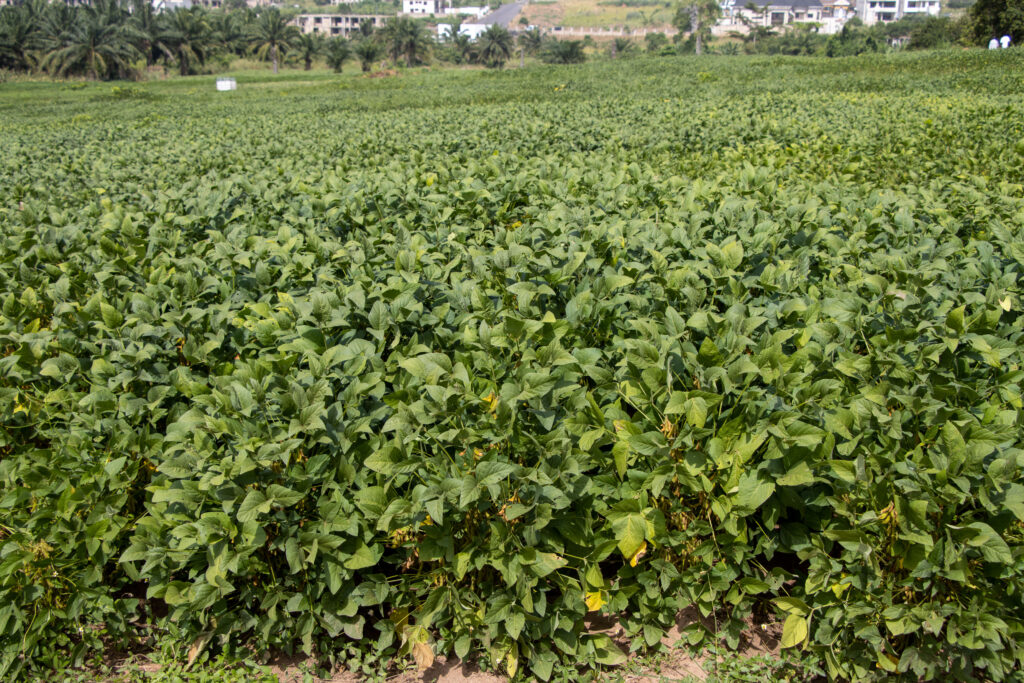
Toondana is a climate-smart, drought-tolerant soybean variety with a maturity period of 95–100 days and a yield potential of up to 3.5 tonnes per hectare. The variety is tolerant to common soybean pests and diseases and has a relatively larger grain size, making it attractive to farmers, processors, and other value chain actors.
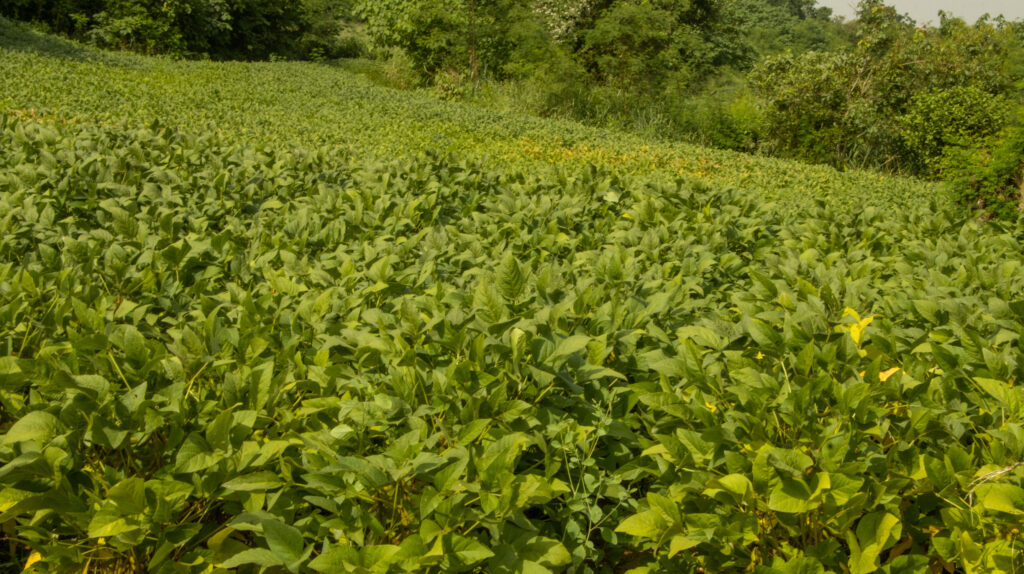
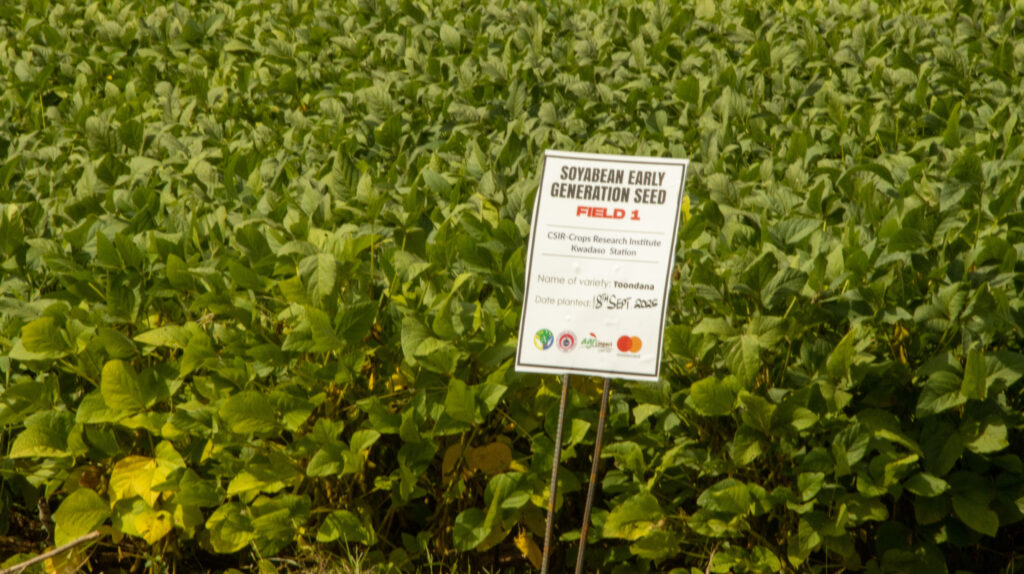
The variety has achieved widespread adoption across Ghana’s soybean-growing zones and contributes significantly to food security, livestock feed production, and import substitution.
Speaking at the field day, Dr. Sylvester Addy, Senior Research Scientist, Plant Breeder, and Head of the Legumes and Oil Seeds Division of CSIR-CRI, emphasised that limited use of certified seed remains a major constraint to soybean productivity in Ghana.
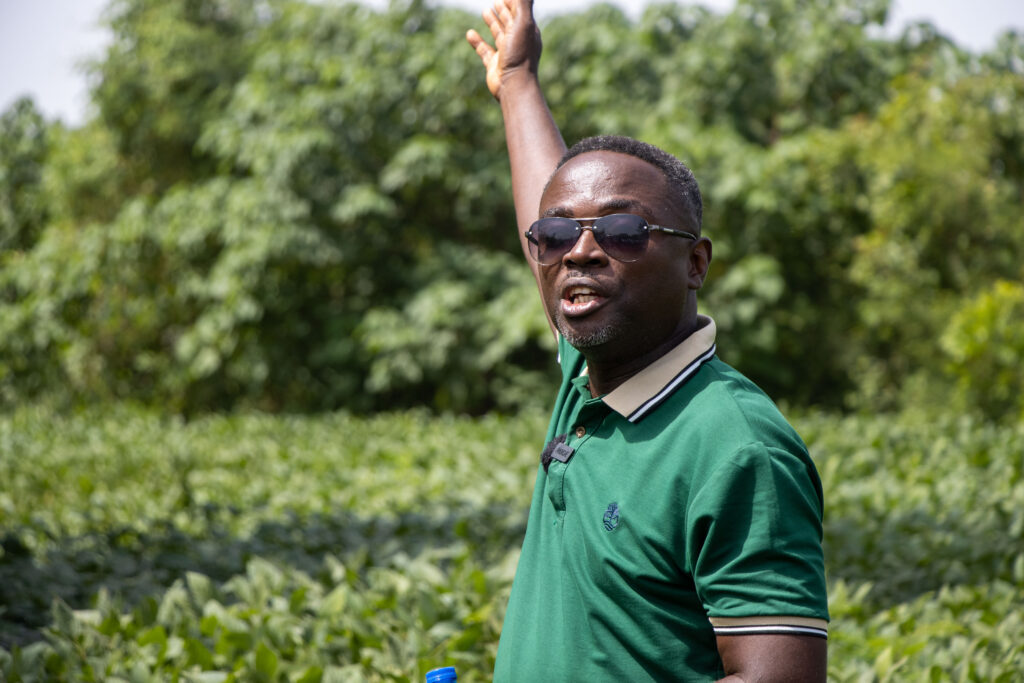
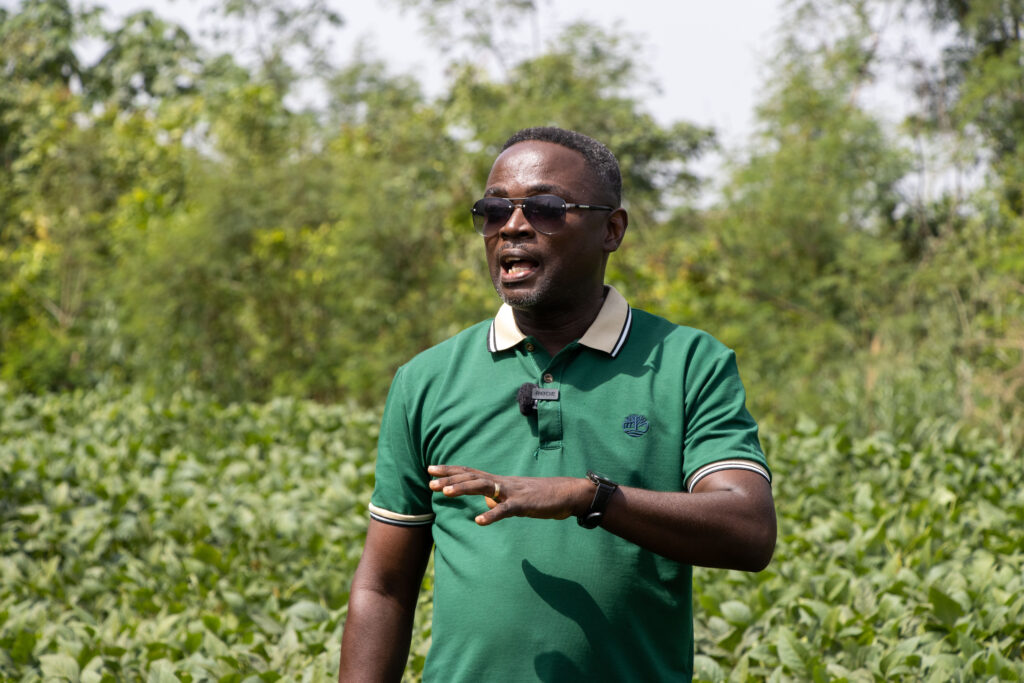
He disclosed that the HAPPY Project is supporting the production of approximately two tonnes of early generation Toondana seed, while the FSRP funded an additional one tonne, aimed at increasing farmers’ access to certified, climate-smart planting materials.
Dr. Addy further called for increased investment in research infrastructure, irrigation, mechanisation, and funding to enable CSIR-CRI to scale up seed production to meet national demand.
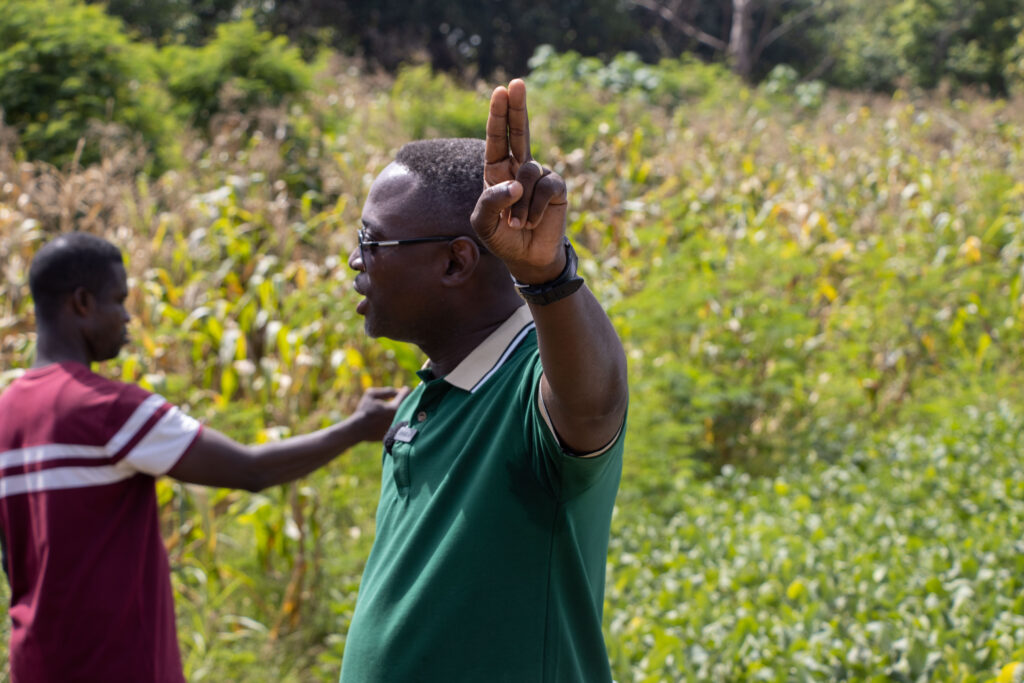
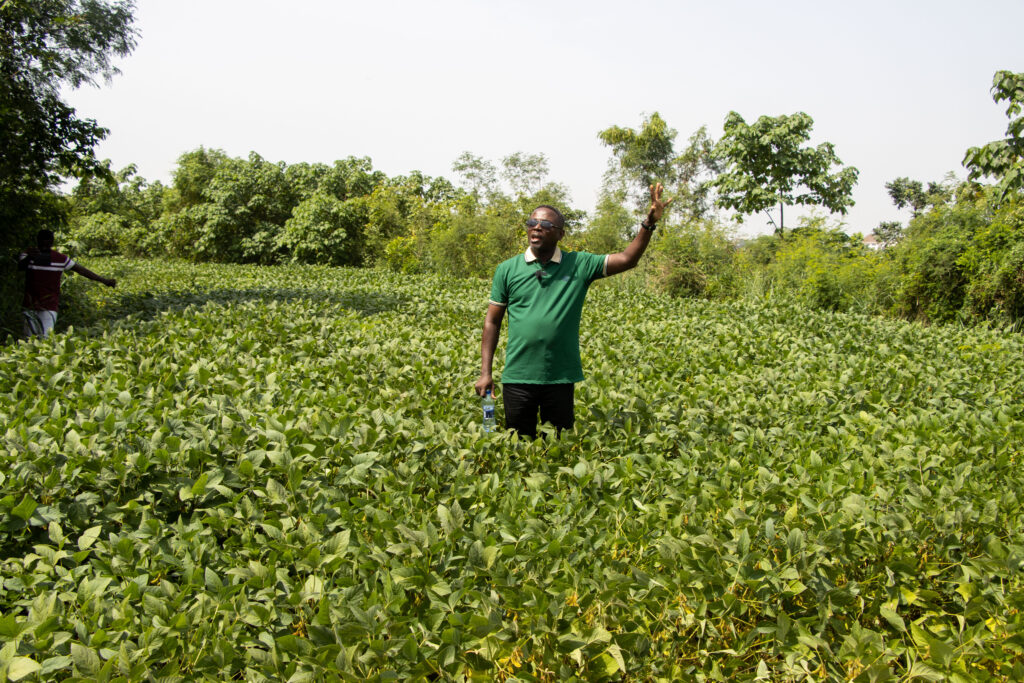
Addressing participants, Ms. Happy Anita Appiah Kubi, Seed Inspector at the Ministry of Food and Agriculture, outlined MoFA’s role in regulating seed quality.
She explained that seed certification involves field registration, multiple field inspections, and laboratory analysis to ensure that only clean, pure, and certified seeds are released to farmers.
Ms. Appiah Kubi noted that, MoFA had been involved in the Toondana seed production process from field establishment through to certification, ensuring compliance with national seed quality standards.
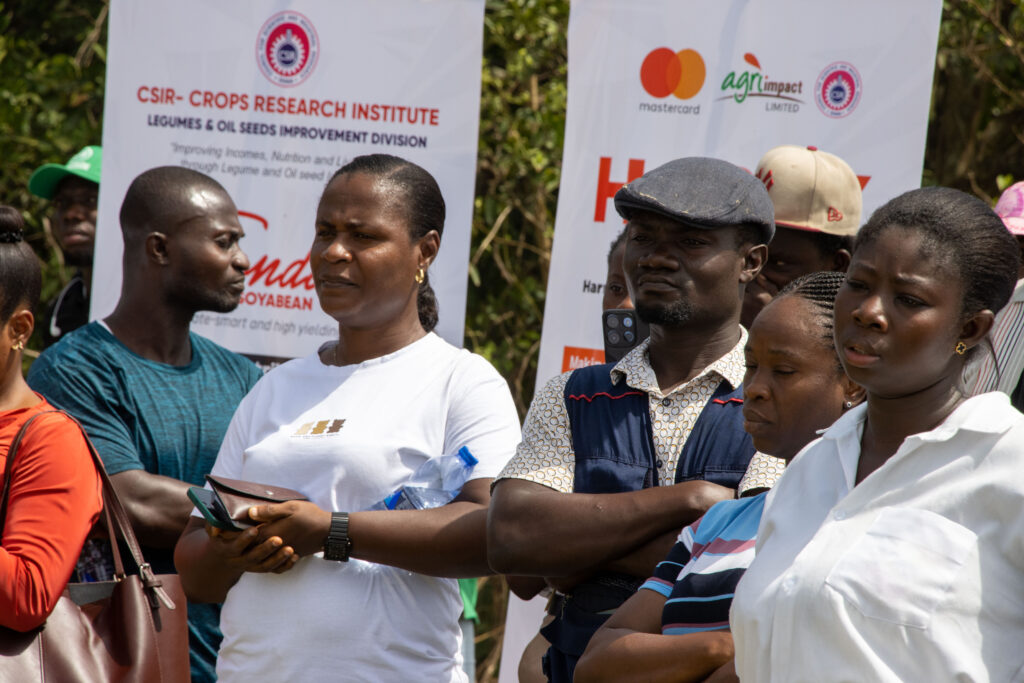
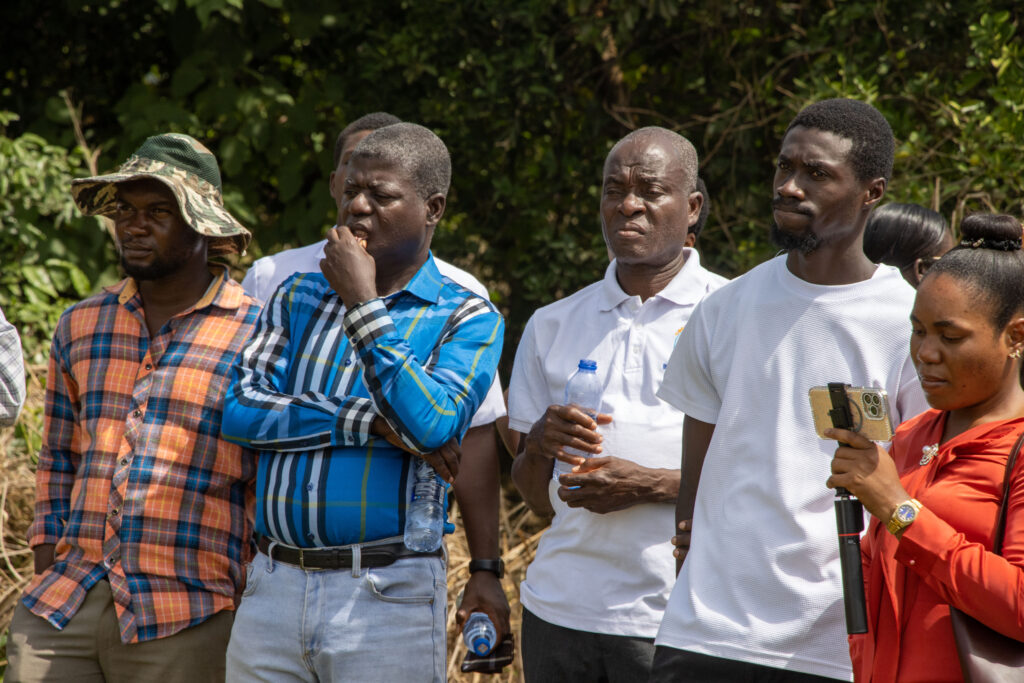
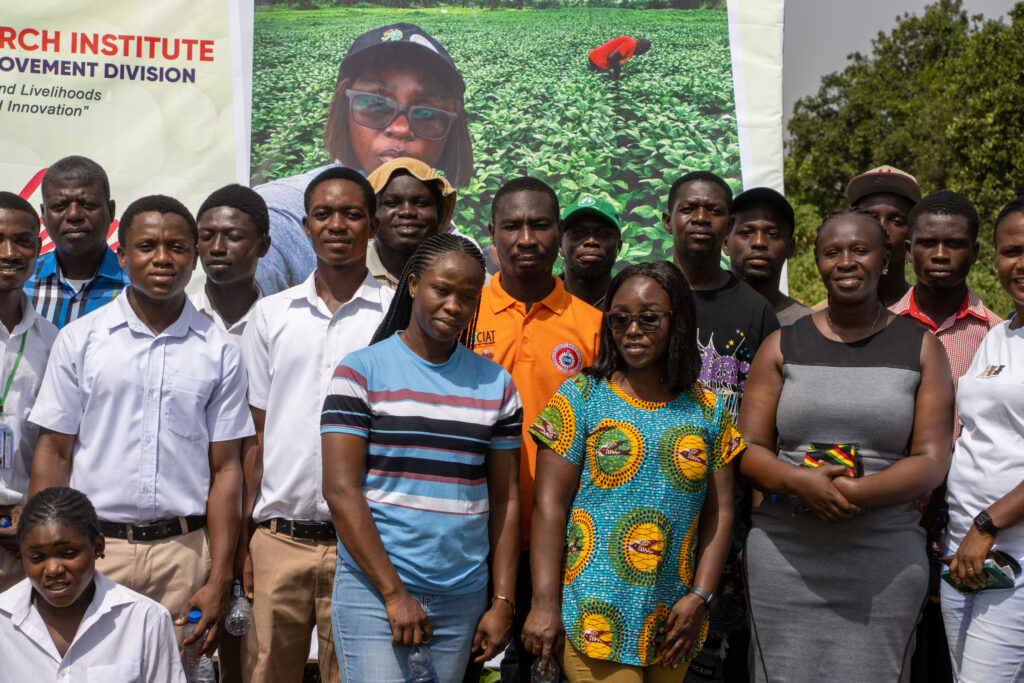
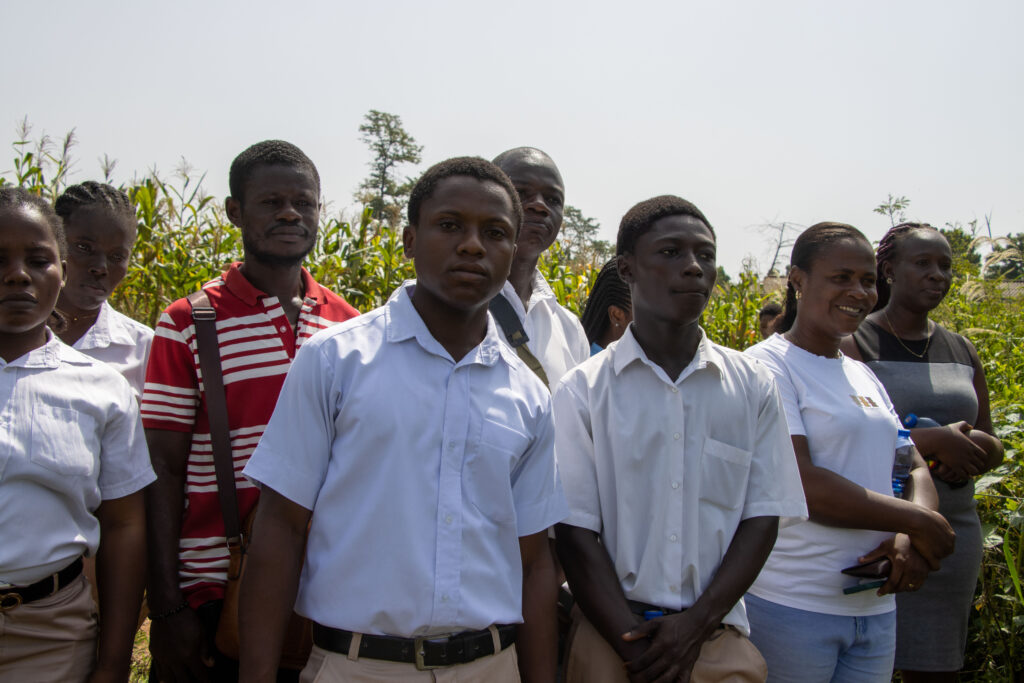
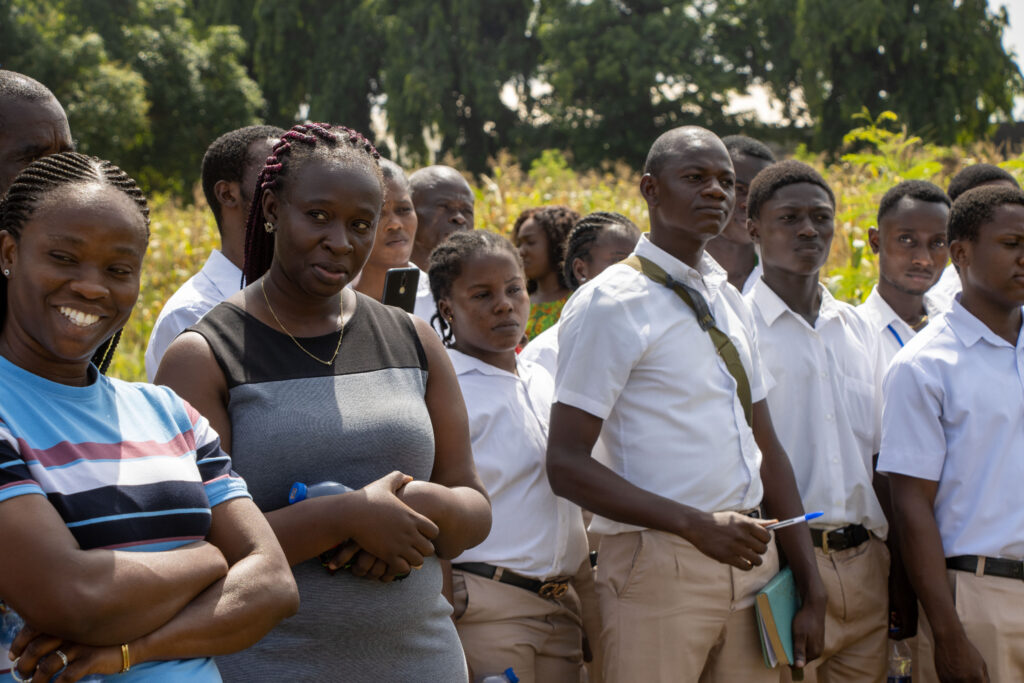
The Field Day brought together officials from the Crops Services Directorate, the Plant Protection and Regulatory Services Directorate (PPRSD), and the Extension Services Directorate of MoFA; staff of CSIR-CRI’s Legumes and Oil Seeds Division at Kwadaso and Fumesua; seed growers; youth in agriculture; and representatives of the media.
The field day reaffirmed CSIR-CRI’s leadership in advancing climate-smart agriculture, promoting youth employment, and building a resilient and sustainable soybean value chain in Ghana.
Authors: Ms. Linda Agyeman, Dr. Sylvester Addy
