OFFICIAL STATEMENT FROM ON THE PURPORTED USE OF CEMENT IN COWPEA STORAGE

CROPS RESEARCH INSTITUTE
(Council for Scientific and Industrial Research)
FOR IMMEDIATE RELEASE
OFFICIAL STATEMENT FROM ON THE PURPORTED USE OF CEMENT IN COWPEA STORAGE
Date: 25 February 2026
Location: Kumasi, Ghana
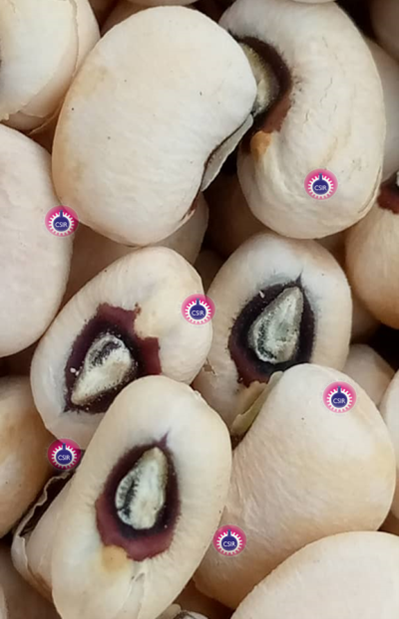
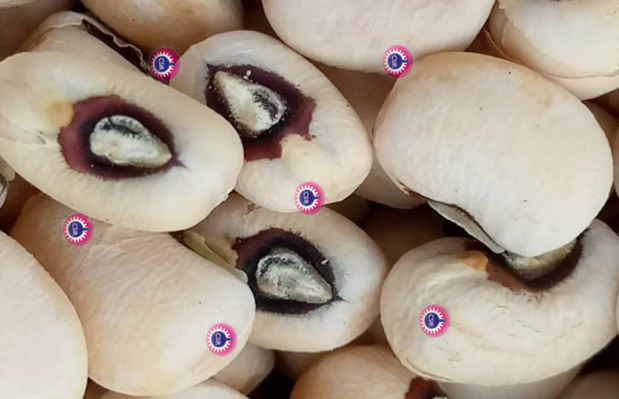
The Crops Research Institute (CRI) has taken note of a video that circulated on social media indicating the use of what looked like cement powder for the storage and preservation of cowpea (beans) against storage pests.
The Institute wishes to categorically state that the use of cement for the storage of cowpea is highly unsafe and unscientific. This practice poses serious health risks to consumers. It also undermines efforts to improve post-harvest storage and food safety in Ghana. The Institute therefore strongly condemns this practice and discourages all from adopting it.
The video presents a false and inaccurate information shared with the potential to deceive, manipulate or cause harm to vulnerable groups of persons in Ghana. Cement is not a food-grade substance and is not approved for use in food or grain preservation under any circumstance.
The institute wishes to also remind Ghanaians that not all information shared on social media are true and authentic. The Institute, therefore, calls on the general public to verify agricultural information with the credible and relevant institutions before adoption and dissemination.
We advise farmers to always contact the nearest extension officer of the Extension Services Directorate of the Ministry of Food and Agriculture or the office of the CSIR-Crops Research Institute to establish the veracity of any technology, practice or information before adoption.
As Ghana’s leading agricultural research institution under the Council for Scientific and Industrial Research (CSIR), Crops Research Institute remains committed to promoting safe, evidence-based, and internationally accepted post-harvest handling practices.
The Crops Research Institute, while condemning such practices, also seeks to promote scientifically validated, safe storage methods with which stakeholders can improve cowpea quality, enhance food safety, and increase farmer profitability across Ghana.
The Institute recommends the following approved and safe cowpea storage methods or practices:
1. Practice Proper Grain Drying: Ensure cowpea grains are dried to safe moisture levels (about 12–13%) before storing them.
2. Use of Hermetic Storage Technologies: Use airtight storage packages such as the PICS bags or other hermetic containers. These eliminate oxygen and kill bruchids without chemicals. This is highly recommended for smallholder farmers in Ghana. It has no chemical residue risk.
3. Use Approved Grain Protectants: These are approved insecticides and fumigants with active ingredients registered by Environmental Protection Authority/CCMC-Revised Register of Pesticides June 2025. The chemical Aluminium Phosphide (56-57%) as a fumigant is registered with trade names such as Baktoxin 57T, Kingtoxin and Riantoxin 57TB while Pirimiphos methyl (18g/kg) +Deltamethrin (4g/kg) as a contact grain protectant is registered under the trade name Shumba Plus Dust. Extra care must be taken in the handling of these chemicals.
4. Clean Storage Facilities: Do well to maintain hygienic storage environments free from pests and moisture.
6. Botanical Protectants: These are locally validated or traditional practices with very low chemical residual risk. These include Neem seed powder or neem oil extracts and wood ash.
7. Diatomaceon earth: mutual non-toxic powder prepared from fossilized algae can be mixed with cowpea grains.
8. Integrated Pest Management (IPM): Adopt non-chemical and safe pest management strategies.
CAUTION:
DO NOT USE CEMENT, INDUSTRIAL CHEMICALS, HOUSEHOLD INSECTICIDES (E.G., SPRAYS NOT LABELED FOR GRAIN) OR UNAPPROVED FUMIGANTS
CRI remains available to provide technical guidance to farmers, traders, extension officers, and media practitioners on safe grain storage practices.
For further information, please contact:
Director
Prof. Maxwell D. Asante
Crops Research Institute
Council for Scientific and Industrial Research (CSIR)
Kumasi, Ghana
+233 (0)240194489
Dr. Sylvester N.T.T Addy
Grain Legume Scientist/Head of Legumes & Oil Seeds Division
Crops Research Institute
Council for Scientific and Industrial Research (CSIR)
Kumasi, Ghana
+233 (0)249658813
Dr. Kofi Frimpong Annin
Entomologist
Crops Research Institute
Council for Scientific and Industrial Research (CSIR)
Kumasi, Ghana
+233 (0)244379549
Lynda G. S. Nsafoah
Scientific Information Officer
Head of Public Relations
Crops Research Institute
Council for Scientific and Industrial Research
Kumasi, Ghana
+233 (0)240432025
Signed
Director
CSIR-Crops Research Institute (CSIR-CRI)