CarbonXtras Project Pioneering Real-Time Soil and Carbon Intelligence Across Ghana
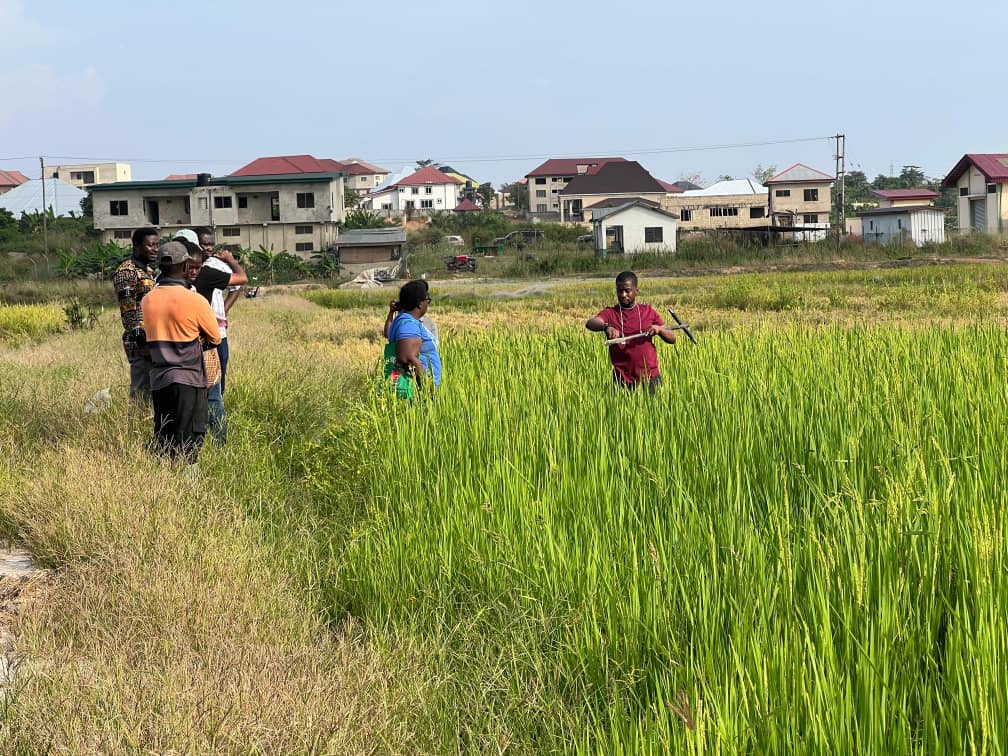
The CarbonXtras Project, in partnership with the CSIR–Crops Research Institute, is unlocking a new era of real-time carbon flux monitoring for Ghana and the wider African region. At its core, the project is building a Dynamic, Real-Time Monitoring, Reporting and Verification (MRV) system capable of tracking soil health, carbon fluxes and greenhouse-gas (GHG) emissions directly from farmers’ fields.
This innovation sits at the intersection of advanced sensor technology, local scientific expertise and farmer experience. Its purpose is simple but transformative: to give farmers, policymakers and researchers the data they need instantly to make climate-smart decisions, improve productivity and position Ghana for emerging carbon-market opportunities.
CarbonXtras is driven by a strong international consortium:
– The James Hutton Institute (Scotland, UK)
– CSIR–Crops Research Institute (Ghana)
– Embrapa (Brazil)
– Sonavision (UK)
with further support from DIPPER Lab (KNUST), AINAS, MoFA, and other national partners.
The initiative is funded through the Climate-Smart Agriculture Partnership: UK–Brazil–Africa, supported by the FCDO and delivered by Innovate UK.
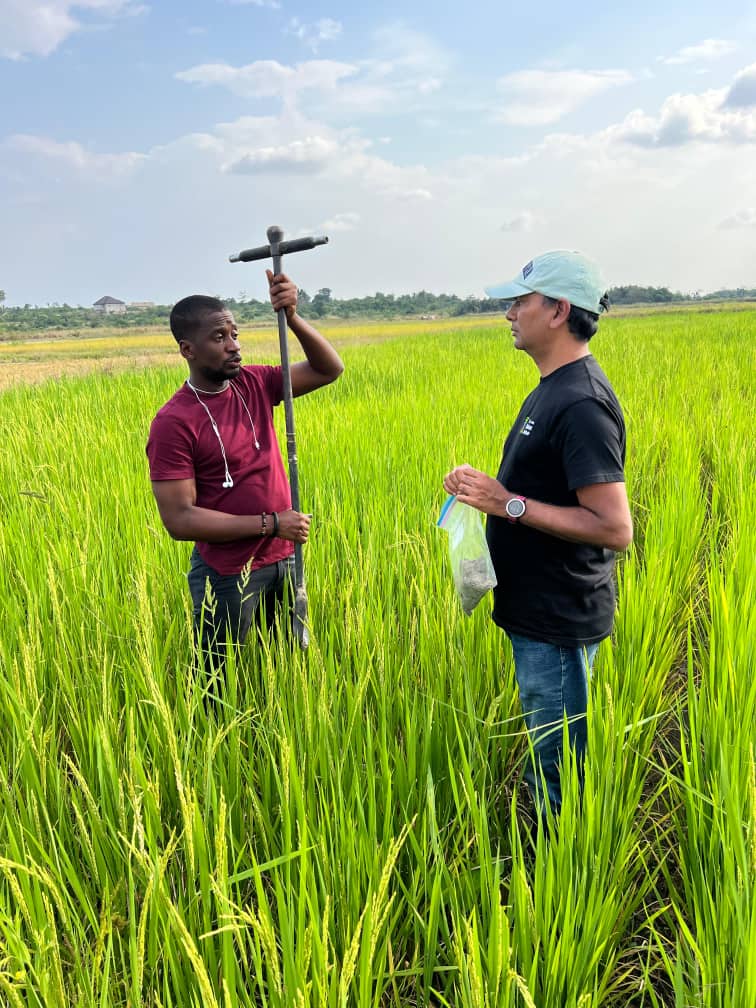
CSIR-CRI is currently leading the baseline fieldwork including soil sampling, laboratory analysis and community engagement across Tamale, Navrongo, Kintampo and Kumasi. These data will anchor the MRV system in Ghana’s real agro-ecological realities to ensure that predictions and decisions are reliable at the field scale.

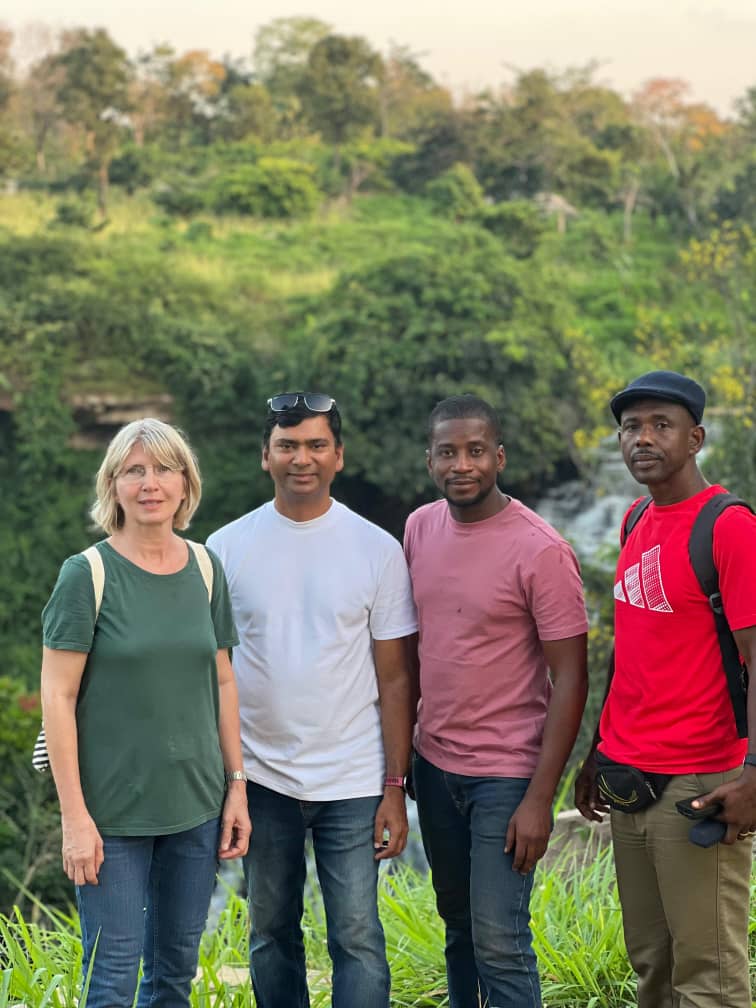
Field activities commenced in Tolon, where the project team engaged the District Directorate of Agriculture and local farming communities. The work combines:
– soil sampling and testing
– historical land-use data gathering
– social and agronomic surveys
– real-time sensor deployment.
Speaking during the engagement, Dr Caleb Melanya Ocansey, Co-Principal Investigator, emphasised the scientific ambition:
“We are monitoring carbon fluxes to understand how soils breathe. When farmers know how carbon moves between soil and atmosphere, they can act decisively to protect both productivity and the climate.”
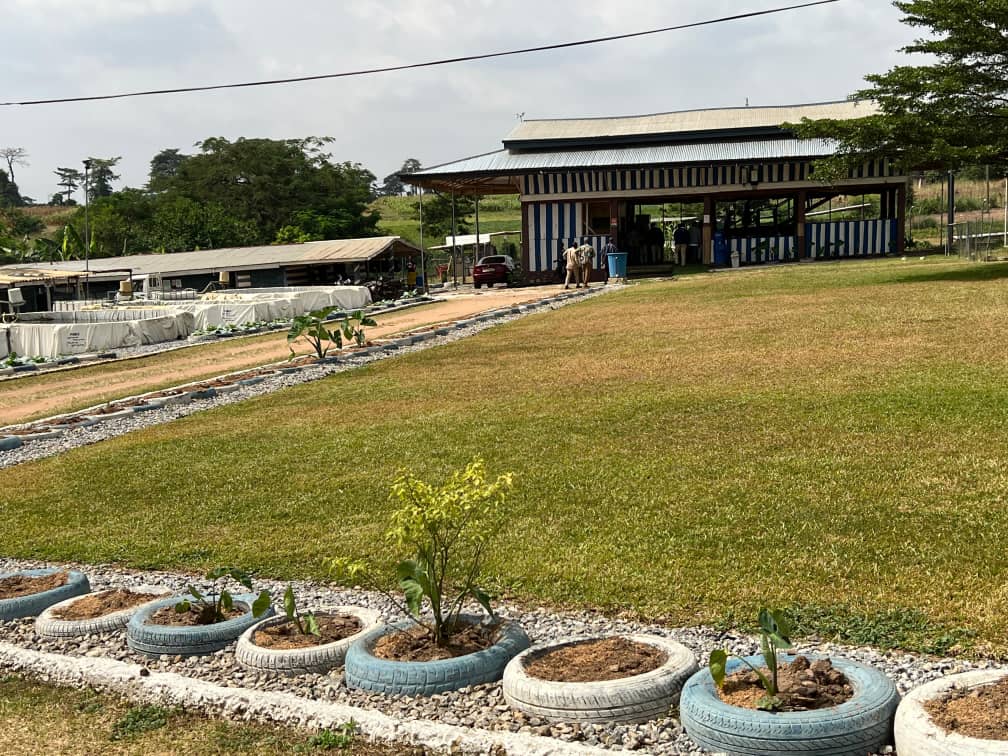
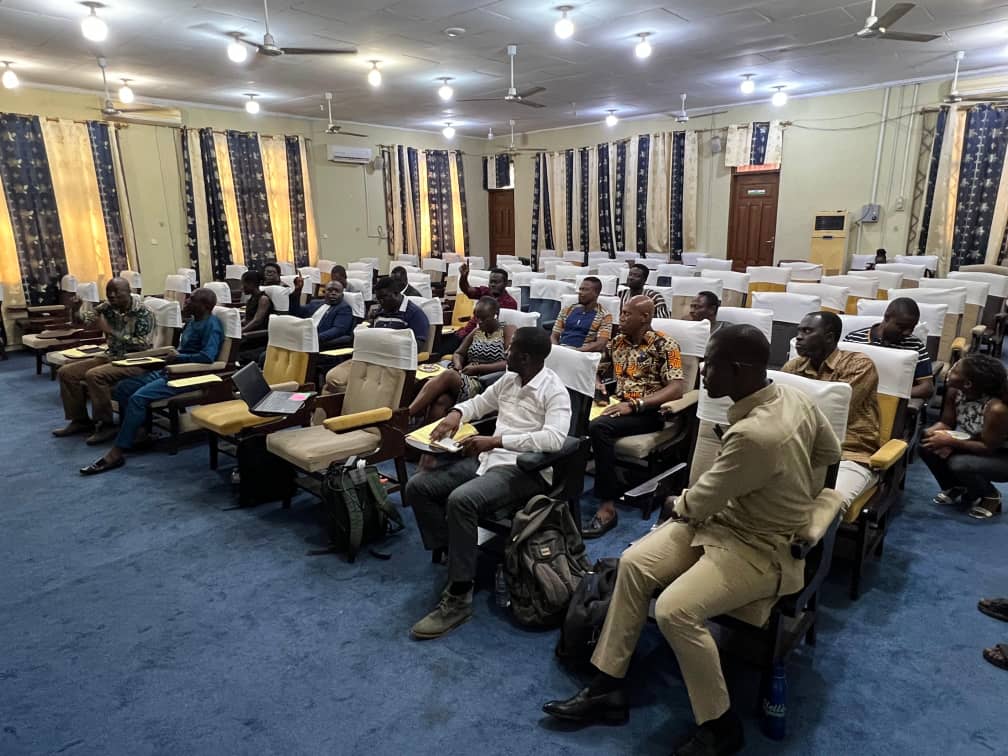
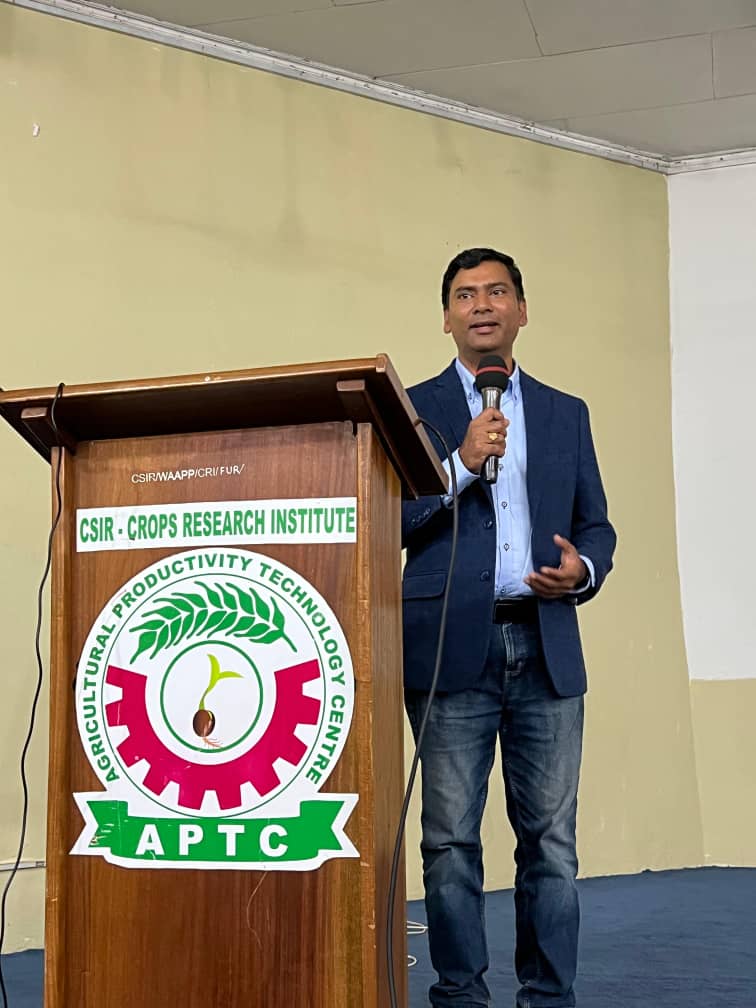
Dr Jagadeesh Yeluripati, Lead Principal Investigator, highlighted the importance of robust data foundations:
“Accurate field-level data are essential. They allow us to model GHG emissions properly and guide farmers towards practices that truly qualify as climate-smart.”
From Brazil, Dr Beáta Emöke Madari (Embrapa) stressed the importance of the project and pledged her team’s continued support and collaboration.
Local stakeholders have also expressed confidence in the project. Mr Abdul Baasit Zakari, Tolon District MoFa Director, noted that declining soil fertility remains one of the district’s most stubborn constraints. He welcomed CarbonXtras as a timely opportunity to restore soils while expanding climate-resilient livelihoods.
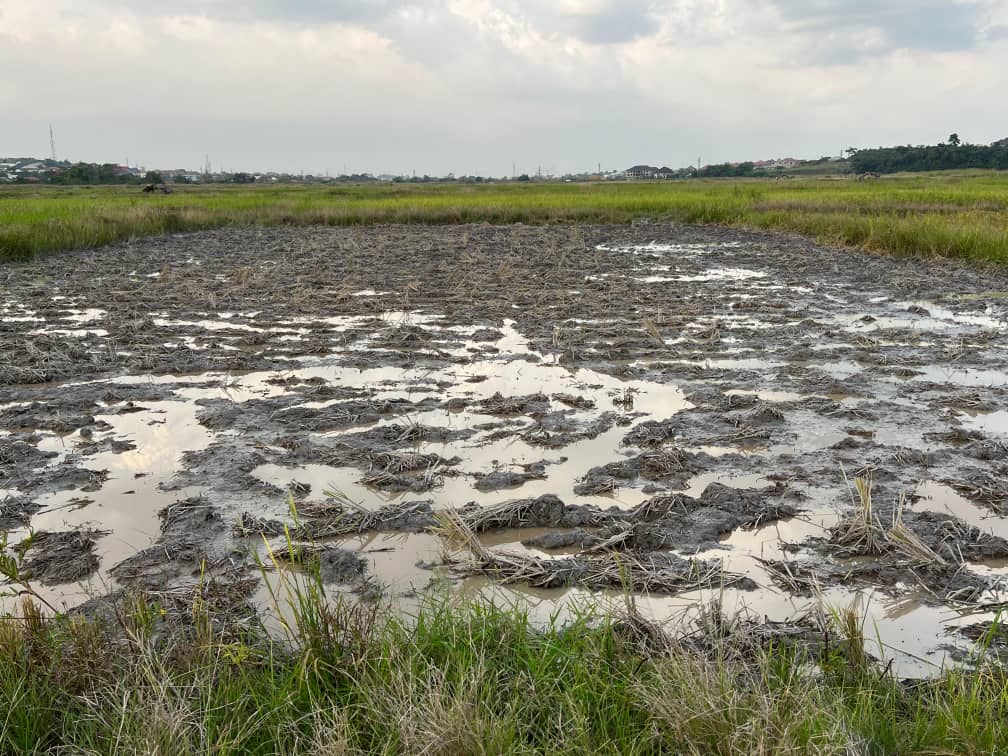
To deepen community participation, the project is introducing the CarbonXtras MRV mobile app (RETINA). It is a tool that will enable farmers and extension officers to record field observations directly from their phones. This will feed into near-real-time national data streams.
The team continued similar engagements and data collection activities in Navrongo, Kintampo and Kumasi.
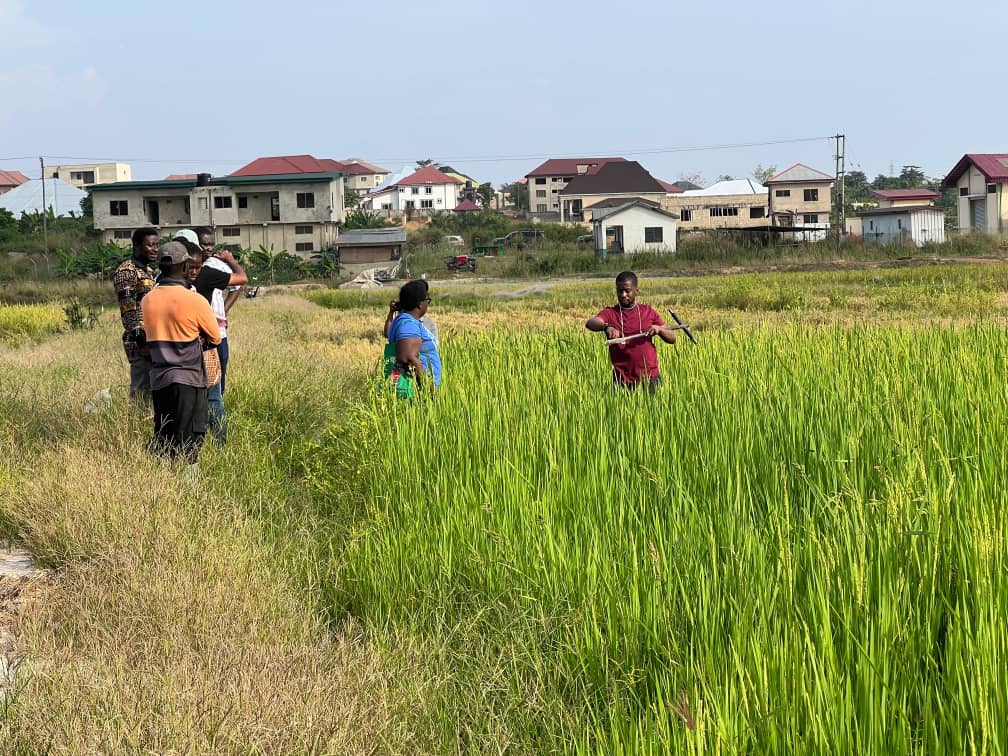
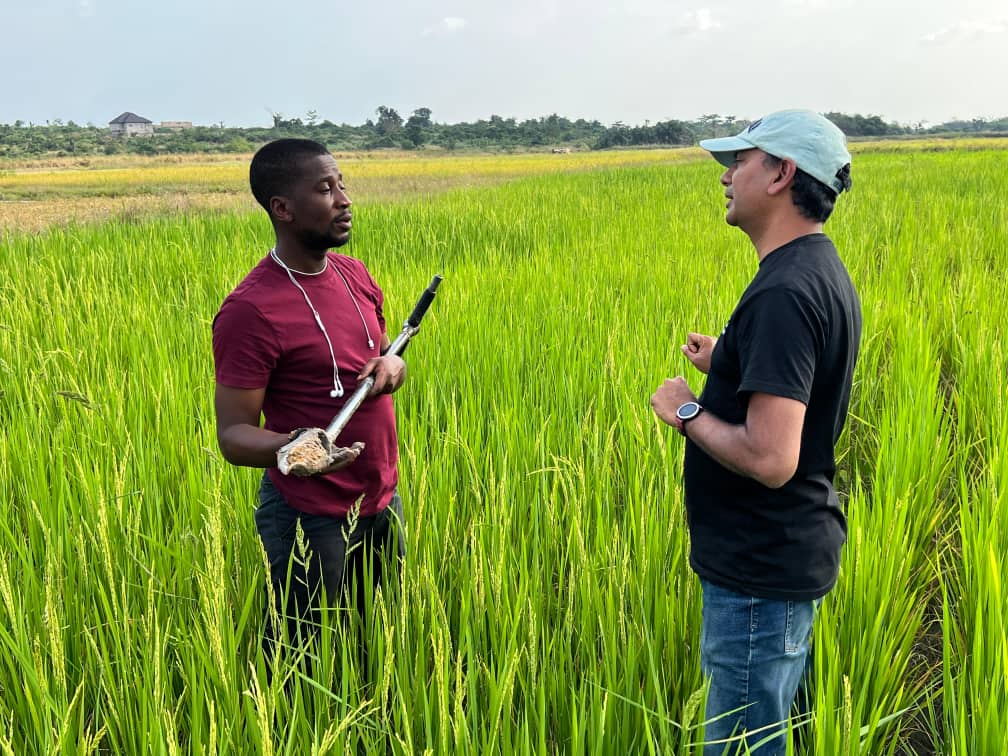
The broader CarbonXtras partnership in Ghana include KNUST (Dipper Lab and Department of Agroforestry), AINAS, MESTI, MoFA, the National Communication Authority (NCA), ANRAG, CSIR–SRI, CSIR–FoRIG, and others. The local partners are collectively advancing a future in which Ghana’s farmers have the technological edge to prosper under a changing climate.
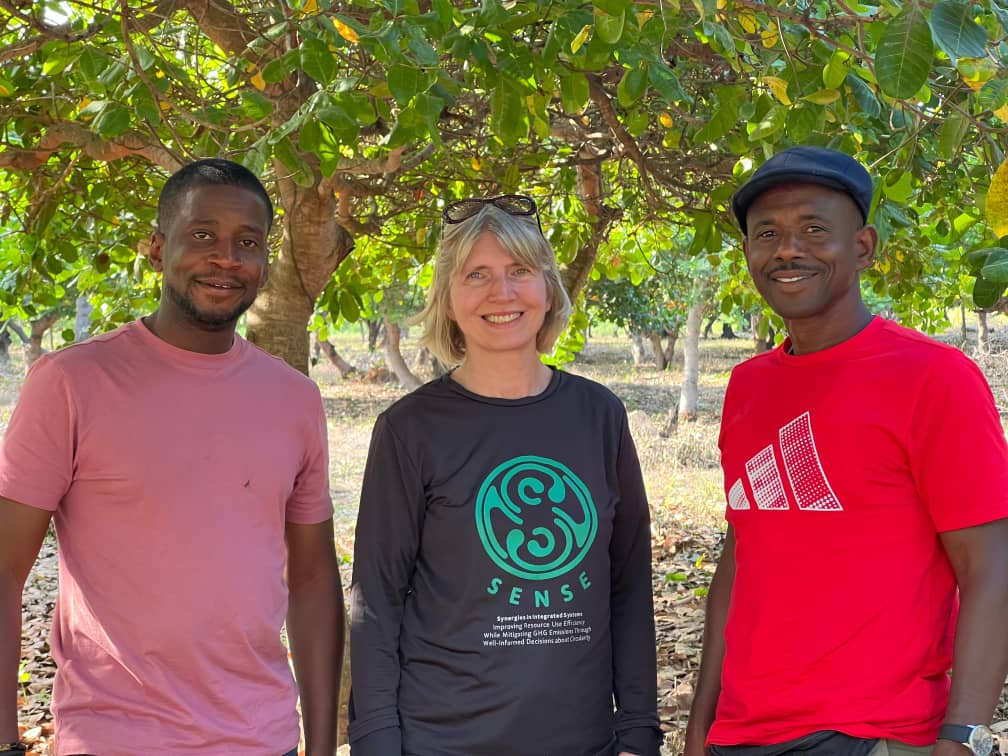
CarbonXtras is not only a research project; it is a continental step towards world-class climate-smart agriculture, farmer prosperity and measurable carbon integrity.
