
ACE4ES Multicultural Technology Park Emerges as a Regional Hub for Advanced Agricultural Data and Early Warning Systems
The ACE4ES Multicultural Technology Park (MTP) of the Council for Scientific and Industrial Research-Crops Research Institute has recorded a major success milestone with the successful installation of high-level environmental monitoring infrastructure at its cassava research fields, reinforcing its role as a national and regional platform for agricultural data, innovation, and learning.
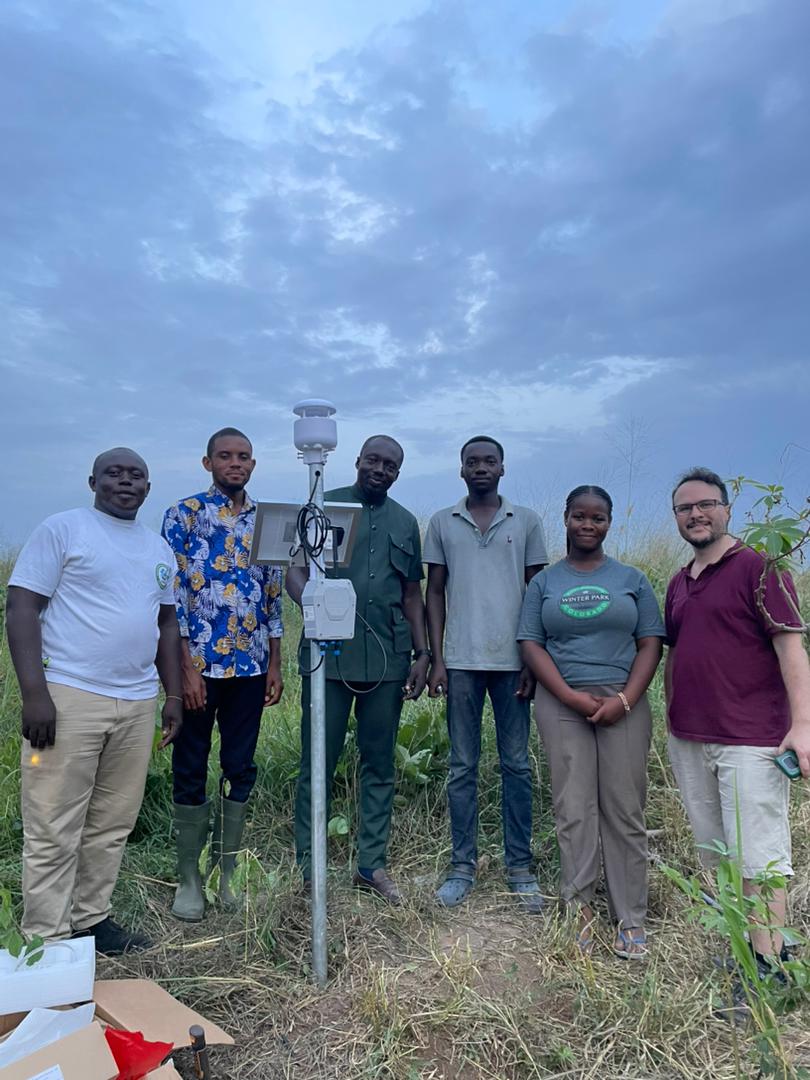
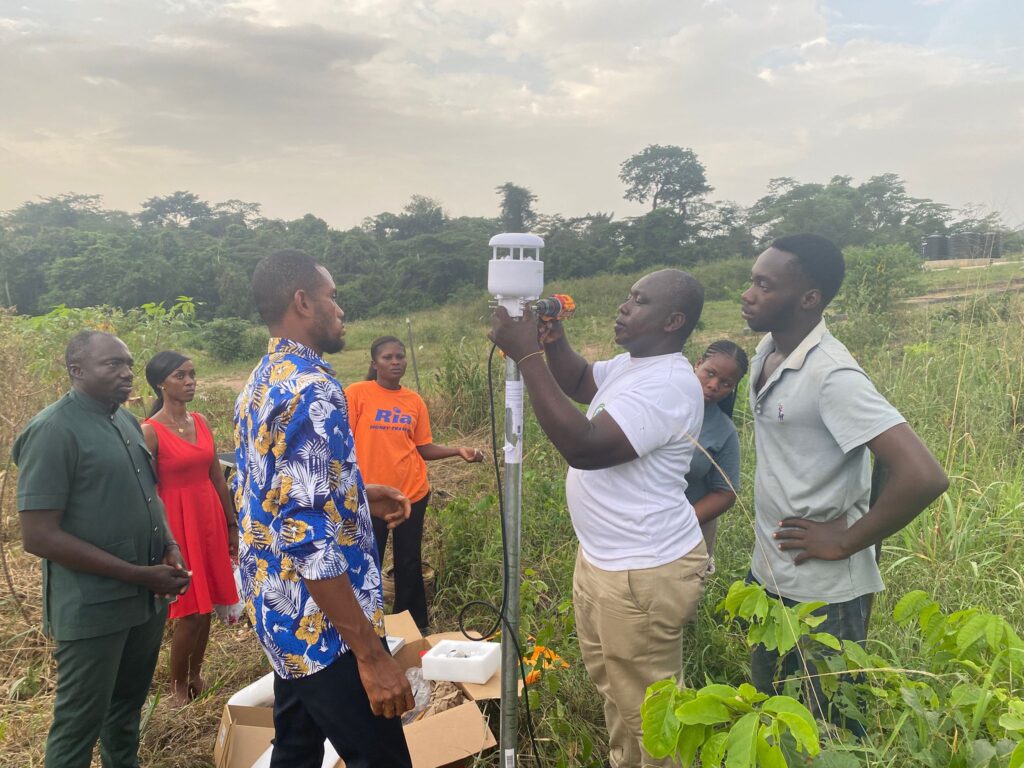
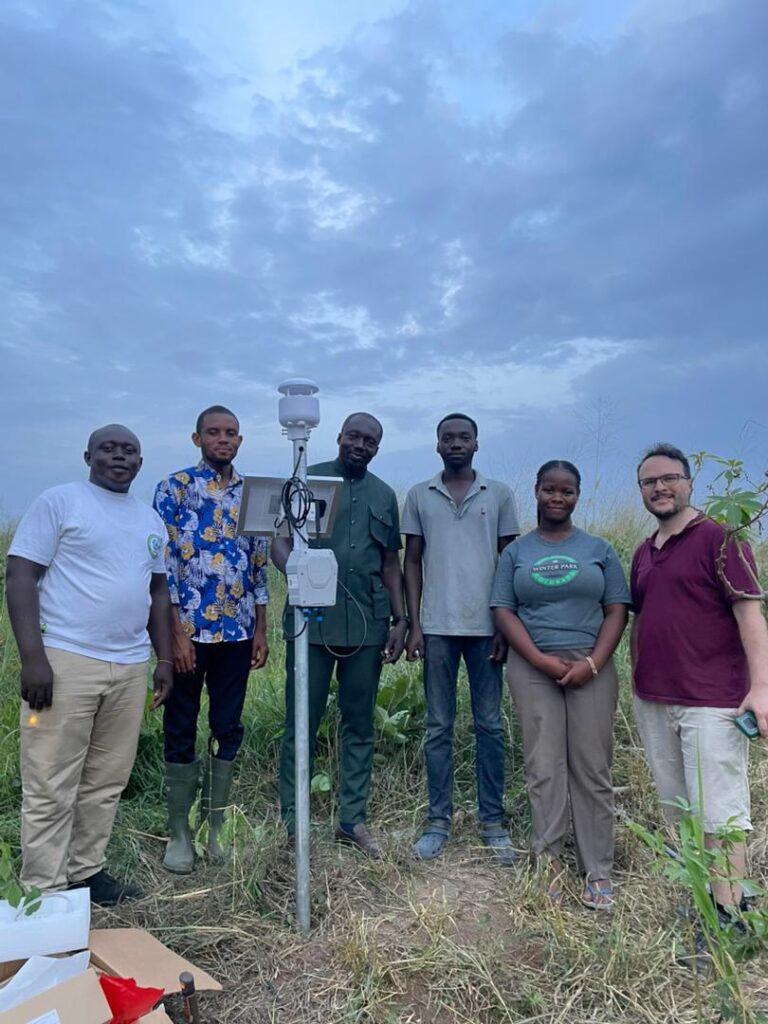
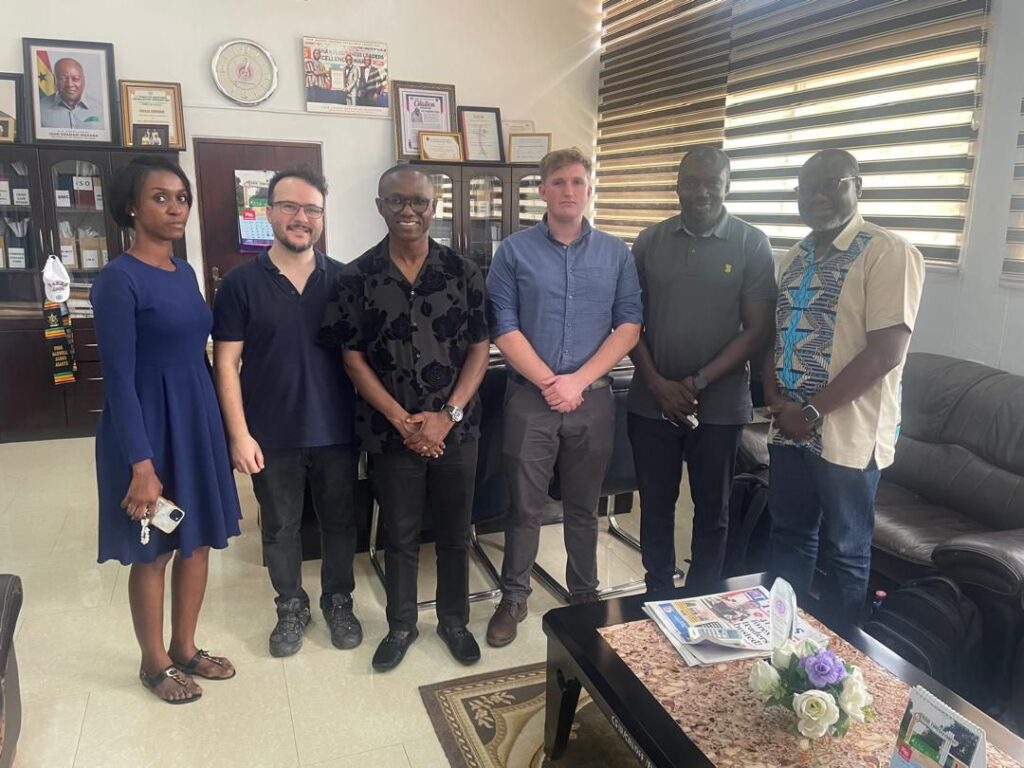
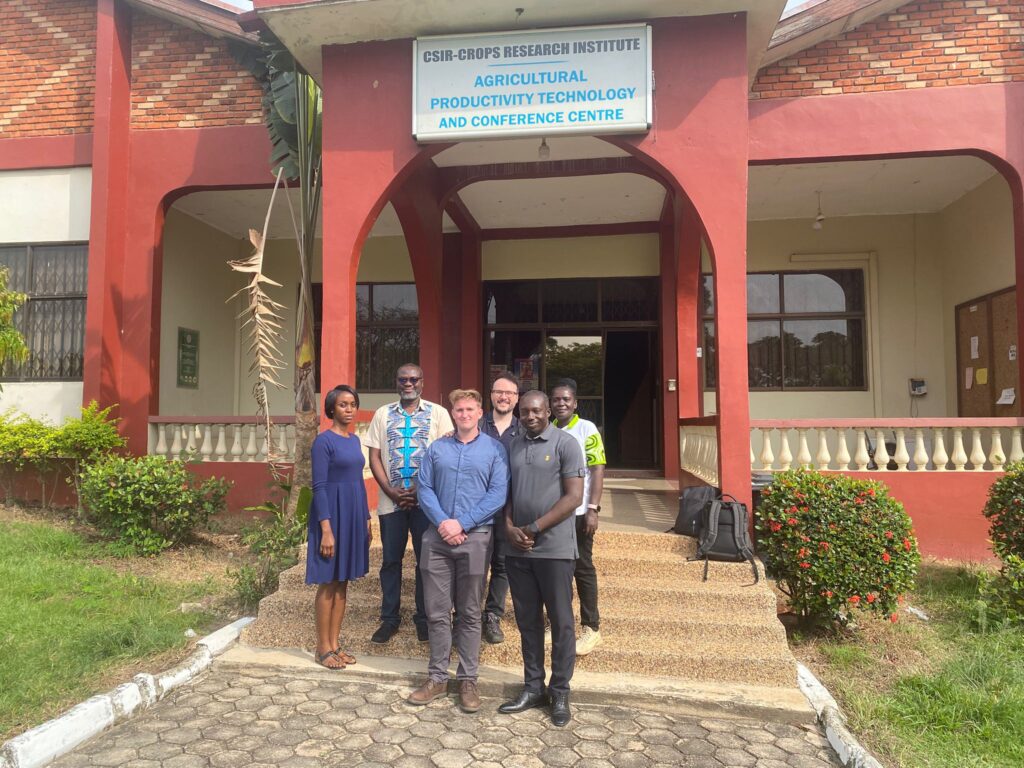
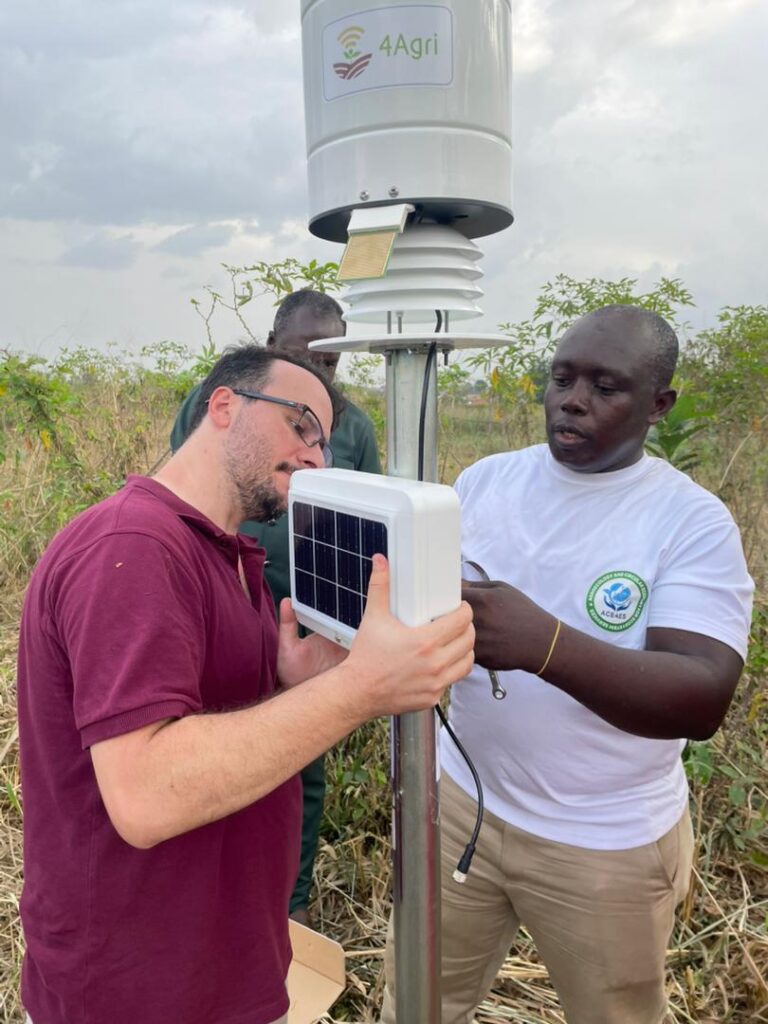
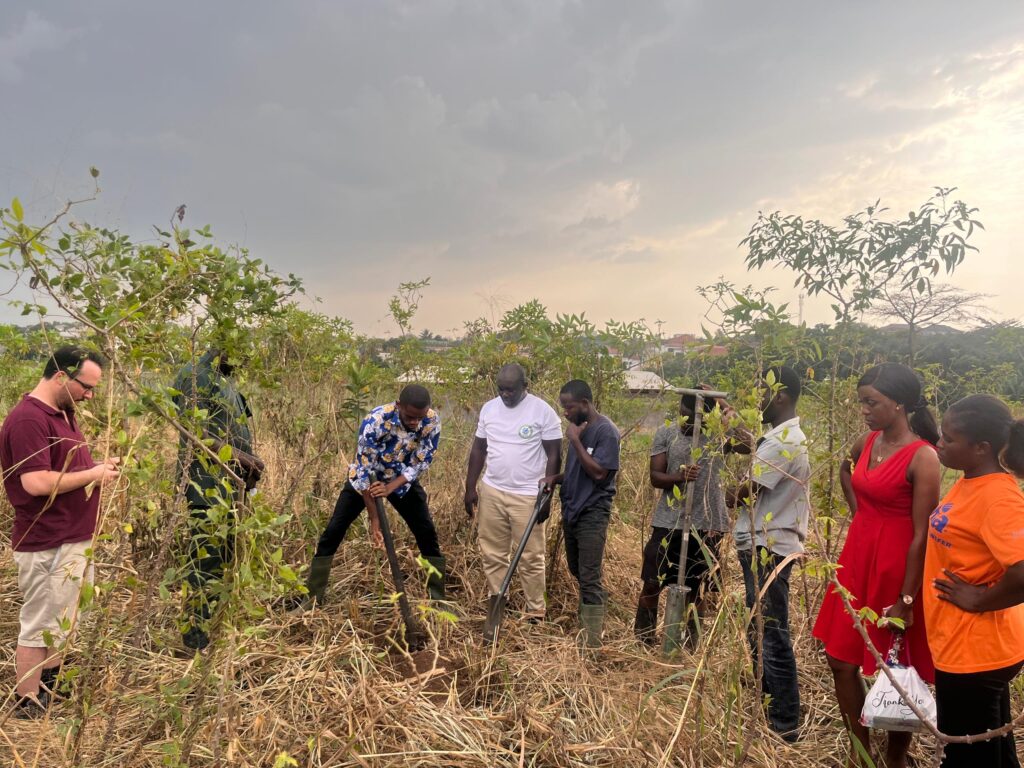
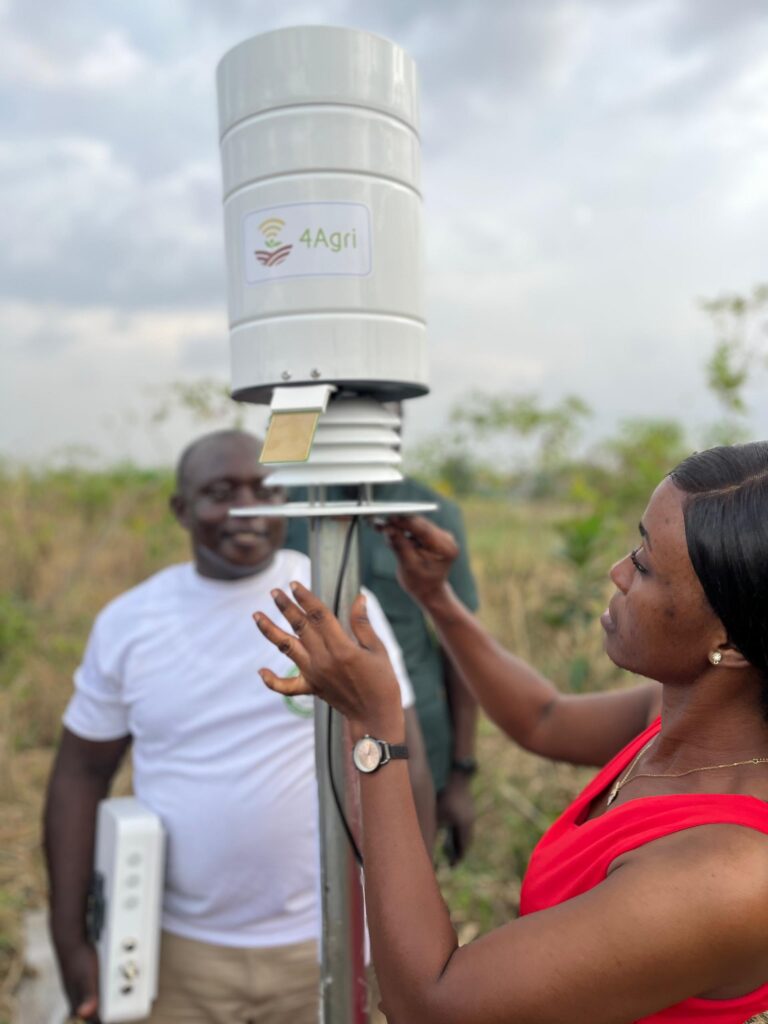
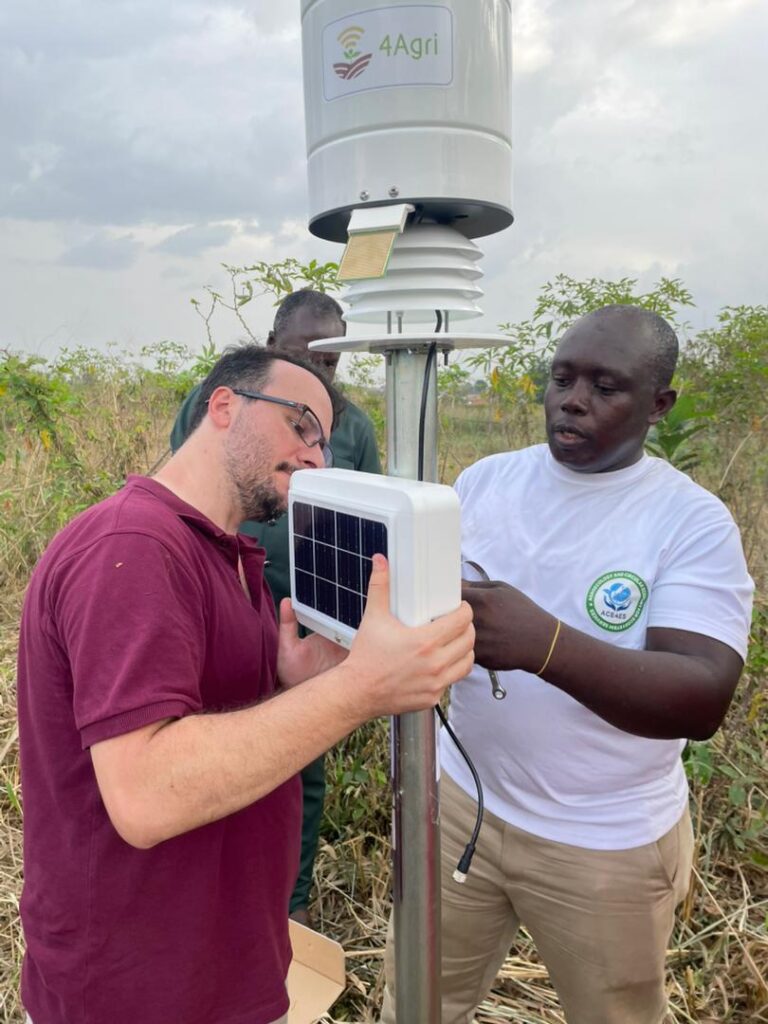
From 15 to 19 December 2025, two advanced weather stations were installed at the cassava section of the CSIR-Crops Research Institute within the MTP, as part of the UK–Brazil–Ghana Partnership for Cassava Disease Prevention. The installation was led by UK-based technology specialists Joshua Brett and Cevdet Bulut, working closely with Ghanaian scientists, engineers, and field teams.
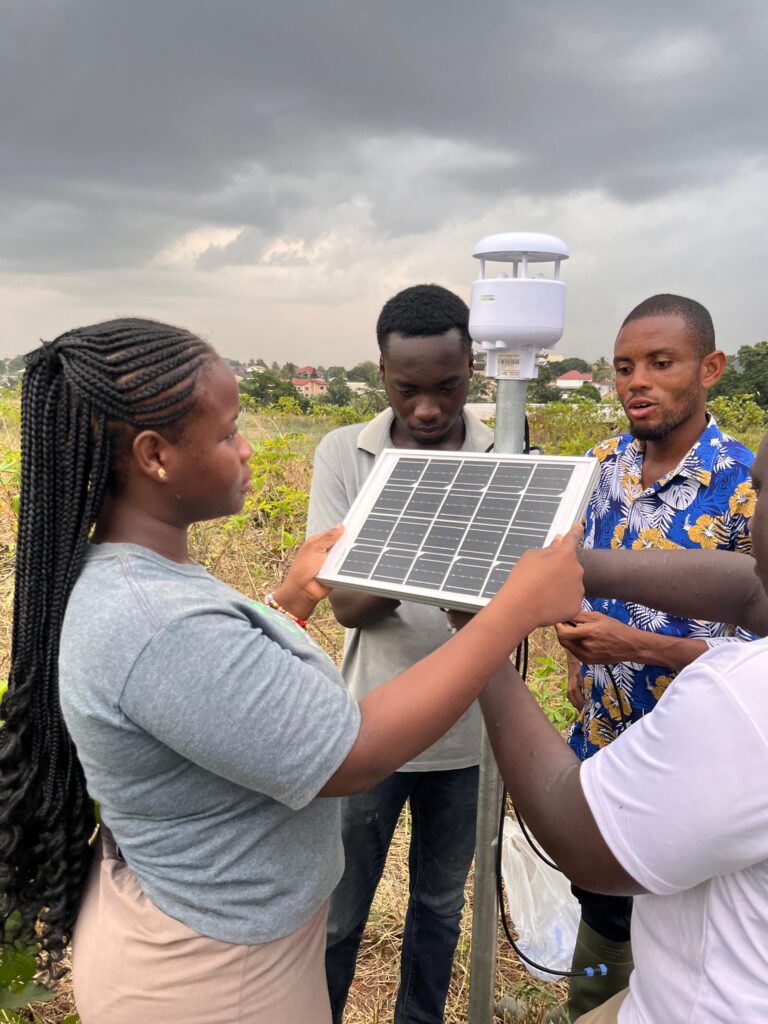
One station provides continuous transmission of temperature, rainfall, humidity, solar radiation, and leaf wetness data, while the second captures wind speed and direction. Together, they deliver the type of high-resolution, real-time environmental data required for modern climate-smart agriculture, disease forecasting, and decision support systems.
This achievement underscores the strategic value of the ACE4ES investment in establishing the Multicultural Technology Park. The availability of dedicated research fields, reliable infrastructure, and skilled technical personnel made it possible to deploy and operationalize sophisticated monitoring systems within a short timeframe. The MTP now offers a secure and functional environment where cutting-edge technologies can be tested, validated, and demonstrated under real farming conditions.
By integrating historic environmental records, visual symptom scoring, environmental risk indices, and disease severity data, the project is enabling the training of AI-based sensors and predictive models. These tools will support early warning systems for cassava fungal diseases, shifting disease management from routine chemical application to preventive, knowledge-driven action. The expected outcome is reduced crop losses, lower production costs, and improved food security.
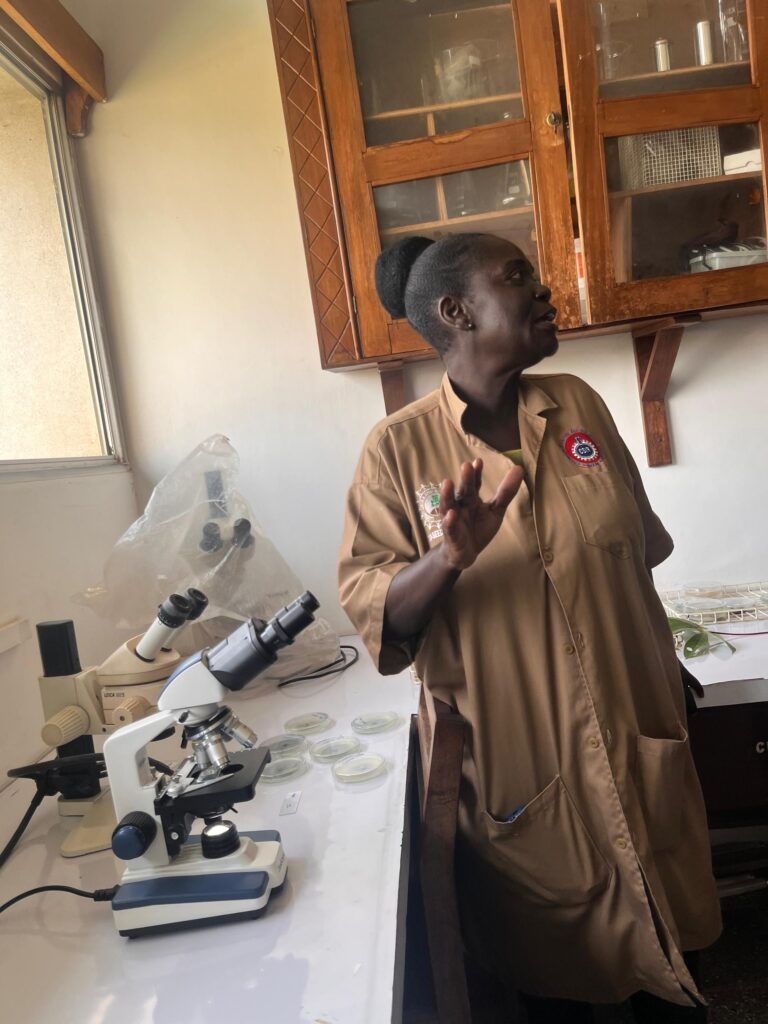
The installation was supported by a multidisciplinary team including Dr. Gordon Akon-Yamga (CSIR-STEPRI), Dr. Kwaku Onwona-Hwesofour Asante, Dr. Mrs. Zippora Appiah-Kubi, Mr. Kwame O. Simpe, Ms. Sarah Odame Afari and Reuben Nutefe Kuavedzi, alongside dedicated plant health technicians and field overseers responsible for data collection and system maintenance.
Beyond cassava disease prediction, this milestone positions the ACE4ES Multicultural Technology Park as a regional agriculture data and learning hub. The same infrastructure and data streams will support validation of climate-smart and low-emission farming practices, including greenhouse gas mitigation technologies, agroecological innovations, and digital advisory systems.
As climate variability intensifies across West Africa, the ACE4ES project is demonstrating how strategic infrastructure investment can turn research sites into regional assets. The Multicultural Technology Park now stands as a practical example of how Africa-based platforms can host advanced technologies, attract international collaboration, and generate data that serves both national priorities and regional agricultural resilience.
