
The Council for Scientific and Industrial Research–Crops Research Institute (CSIR-CRI), Fumesua, in collaboration with WINSTEP Company Ltd, has engaged tomato farmers and other stakeholders in an evaluation of ComCat Biostimulant for tomato production in Ghana.
The stakeholder engagement and Farmer Field School, held on 22 October 2026 at Asante Agogo in the Asante Akim South District of the Ashanti Region, provided participants with an opportunity to observe demonstration plots, learn about recommended agronomic practices, and share their experiences and perspectives on the product.
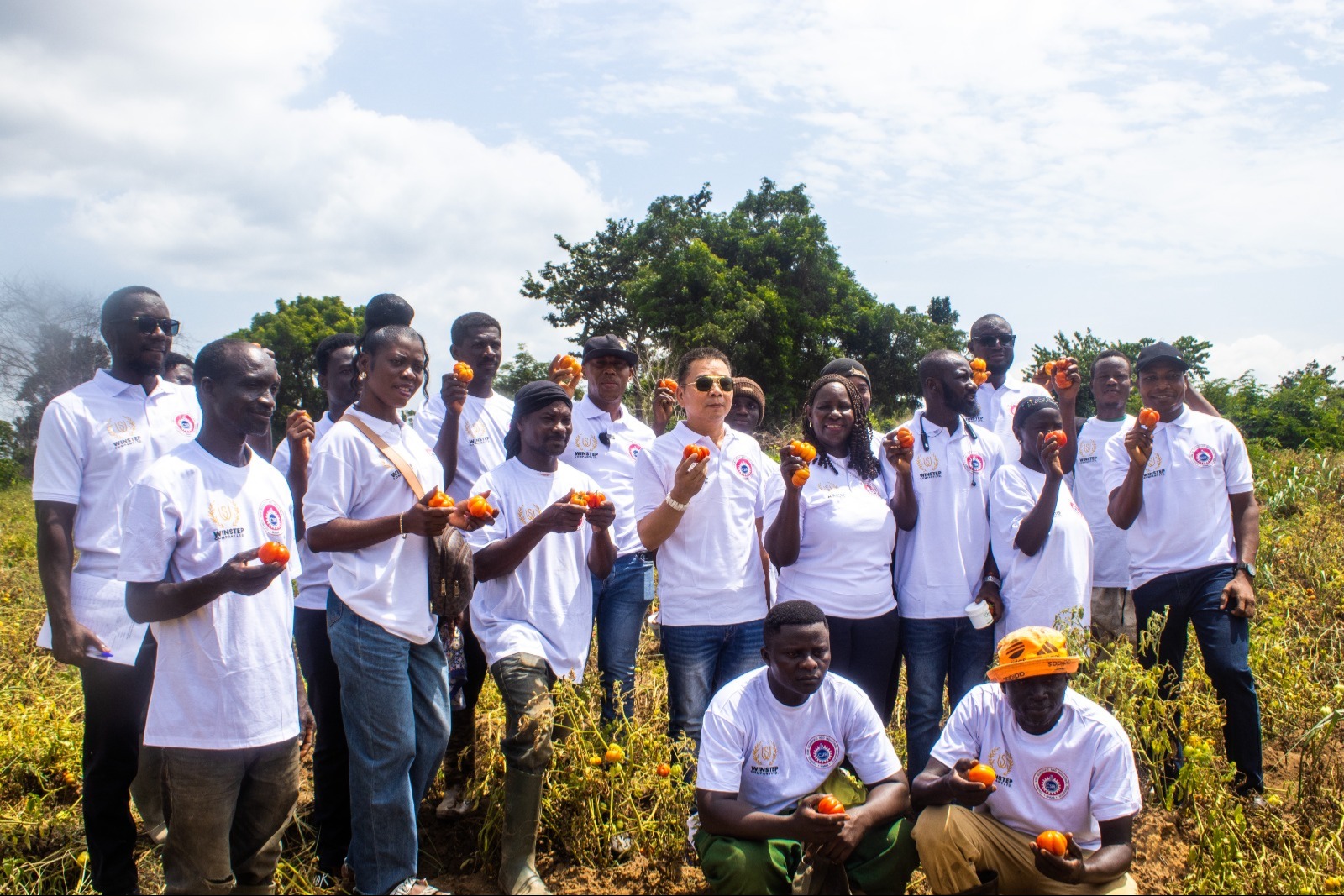
The event formed part of ongoing field evaluations aimed at generating scientific evidence on the performance of ComCat Biostimulant under Ghanaian farming conditions. The findings are expected to inform decisions regarding the product’s registration and potential marketing in the country.
CSIR-CRI Reaffirms Commitment to Research and Farmer Engagement
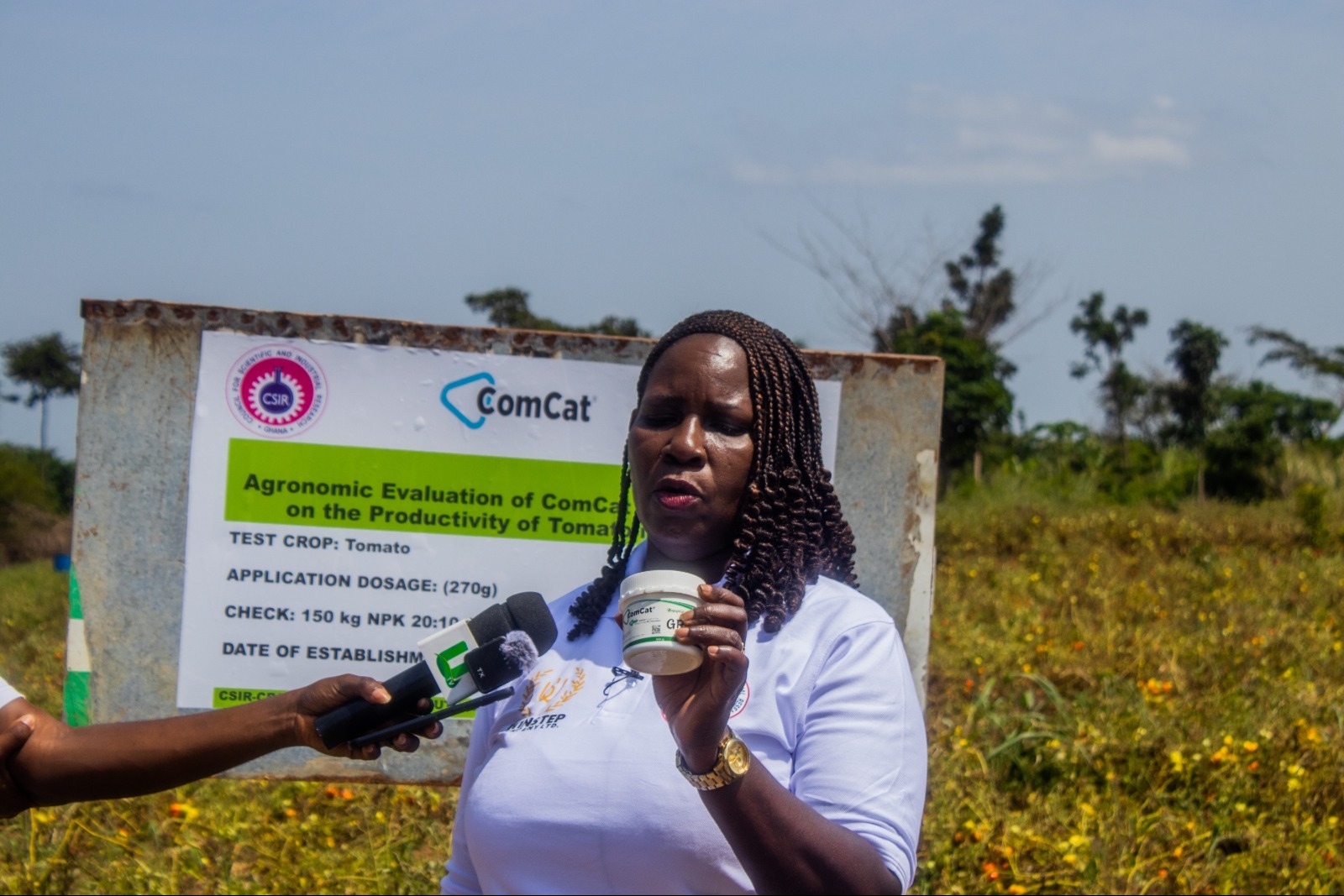
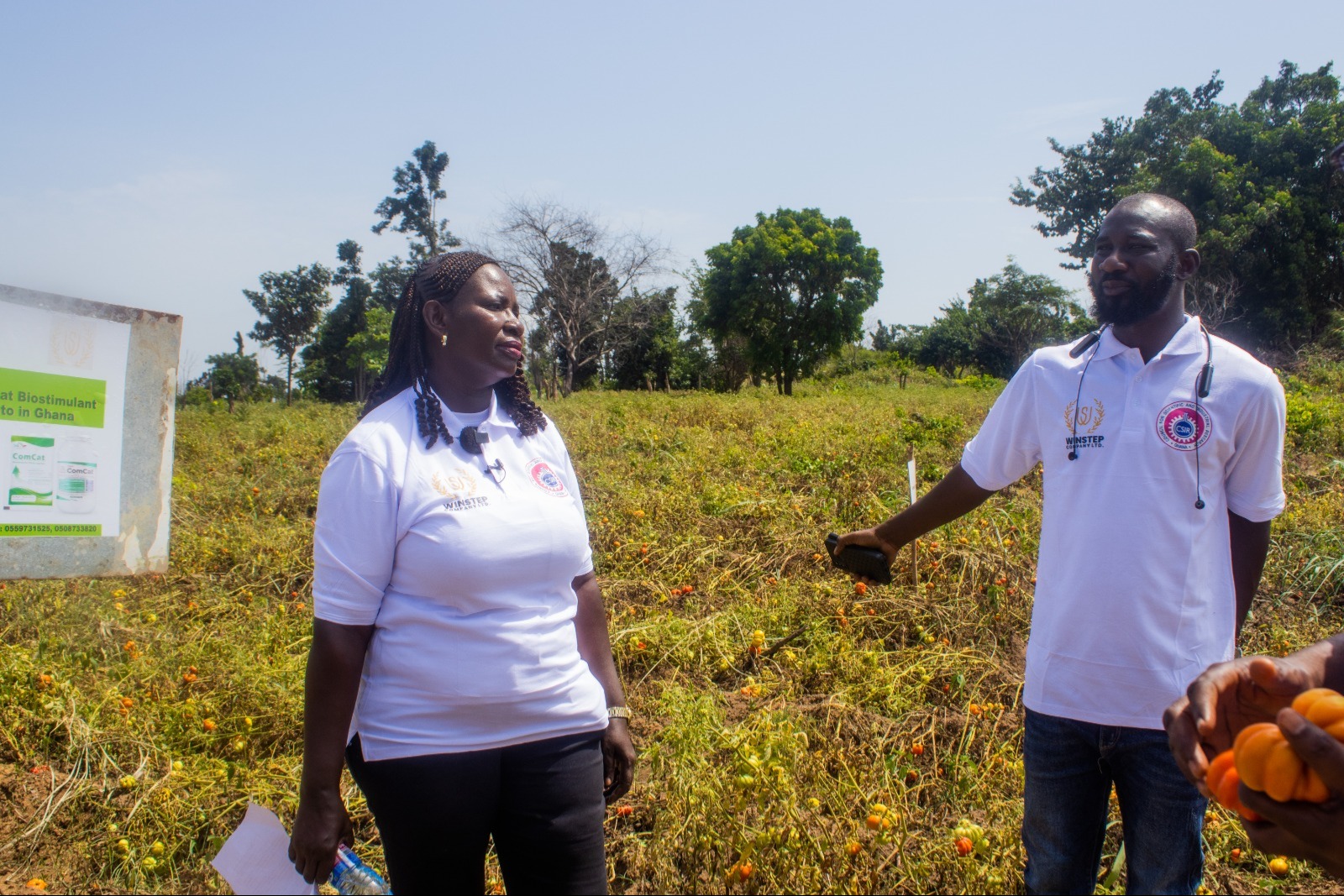
In her welcome remarks, the Deputy Director of CSIR-CRI, Dr (Mrs) Patricia Pinamang Acheampong, welcomed the farmers, stakeholders, and other participants and expressed appreciation for their participation.
She introduced Nana Nii Lui Yaw, Chief Executive Officer of WINSTEP Company Ltd, the company behind ComCat Biostimulant, and acknowledged the company’s collaboration with the Institute in evaluating the product.
Dr Acheampong explained that the product was undergoing field trials in Ghana and emphasised the importance of the demonstration exercise in enabling farmers and stakeholders to observe the ongoing research. She also encouraged farmers to consider the appropriate use of organic inputs as part of sustainable crop production practices.
Research Focuses on Crop Performance and Nutrient-Use Efficiency
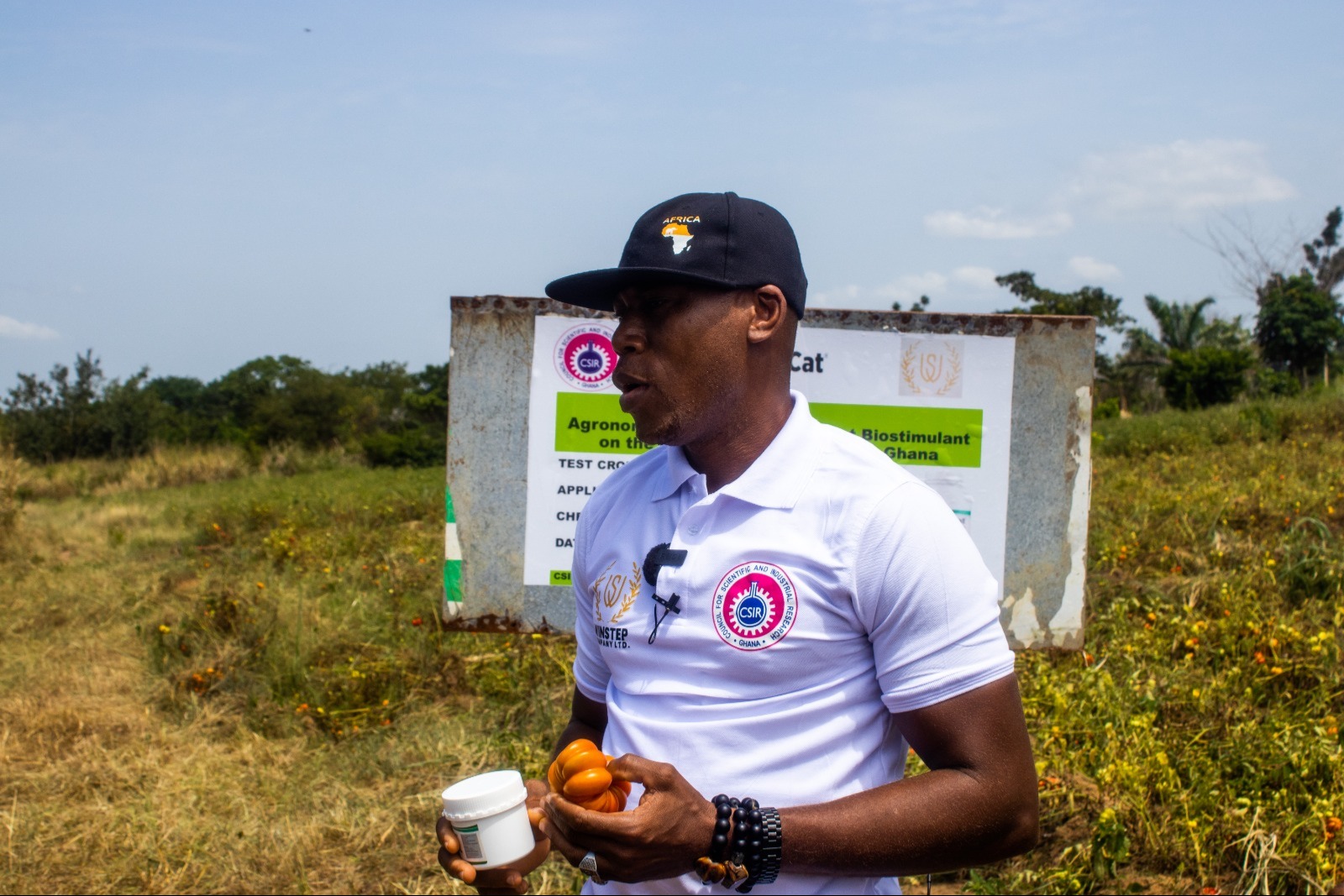
The lead scientist, Dr Agbesi K. Keteku, provided an overview of the research project and explained the intended role of ComCat Biostimulant in supporting crop growth and helping plants cope with abiotic stresses, such as adverse environmental conditions.
He noted that the product is being evaluated for its potential to promote root development, improve the uptake of water and nutrients, and enhance crop performance under field conditions.
Dr Keteku also discussed the potential for biostimulants to contribute to more efficient nutrient management when integrated into appropriate crop production practices. He emphasised the importance of following recommended application methods, including application to plant roots and foliage where specified by the trial protocol.
The evaluation has been conducted over two cropping seasons to assess the product’s performance under field conditions. The findings will be important in determining its suitability and potential benefits for tomato production in Ghana.
Farmers Observe Demonstration Plots and Post-Harvest Practices
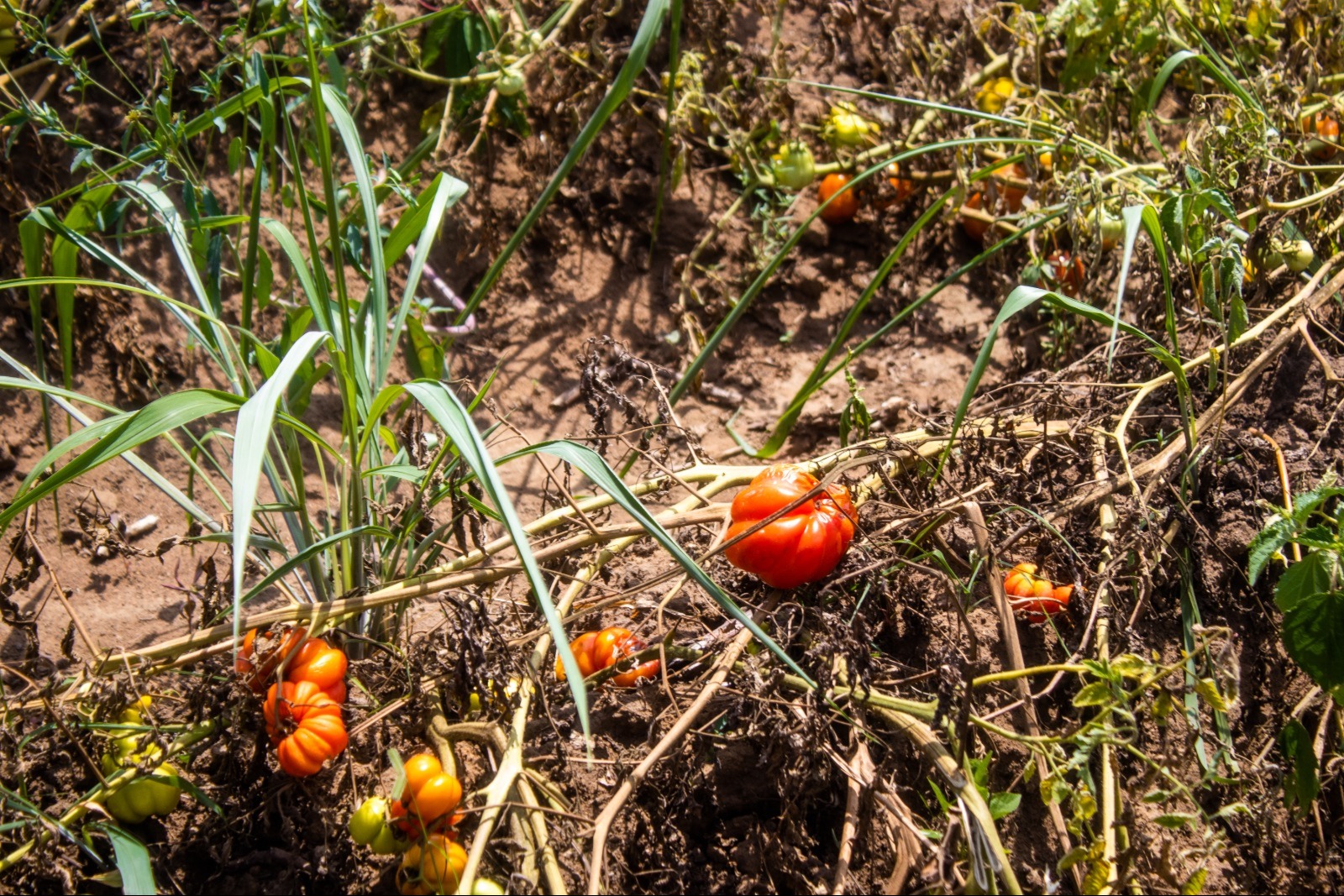
As part of the practical session, Dr Philip Ghanney guided farmers and stakeholders around the tomato demonstration plots, explaining the agronomic practices adopted during the trials.
Participants received guidance on the rate and method of ComCat Biostimulant application used in the demonstrations, alongside selected good agronomic practices for tomato production.
The session also included a tomato harvesting demonstration led by Mr Alhaji Yameen Huss Cole and Mr Nasiru Issah, who shared practical guidance on harvesting and post-harvest handling.
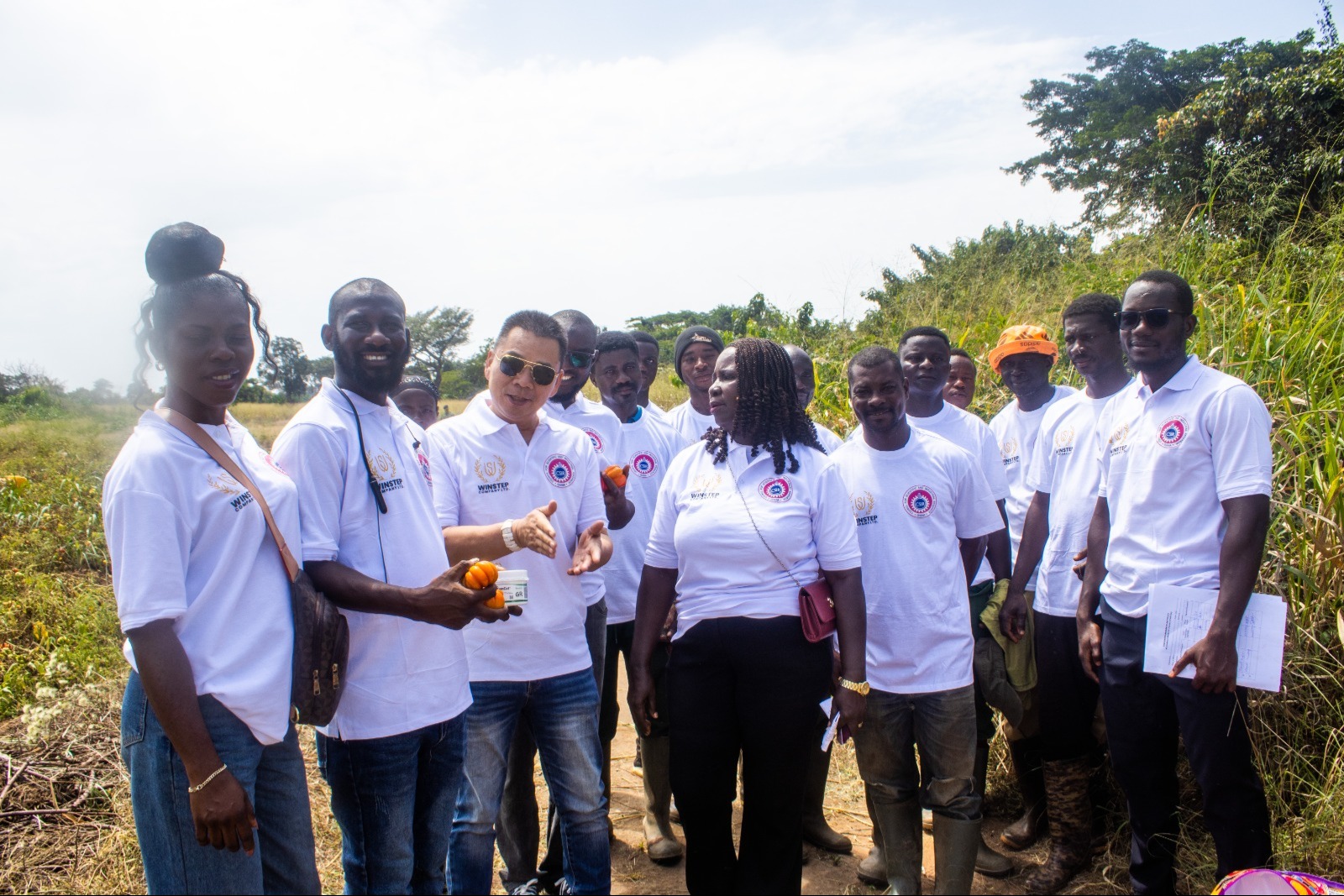
The field activities provided an opportunity for participants to interact with the research team, observe the demonstration plots, and discuss crop management practices relevant to tomato production.
Farmer Cooperatives and Economic Opportunities
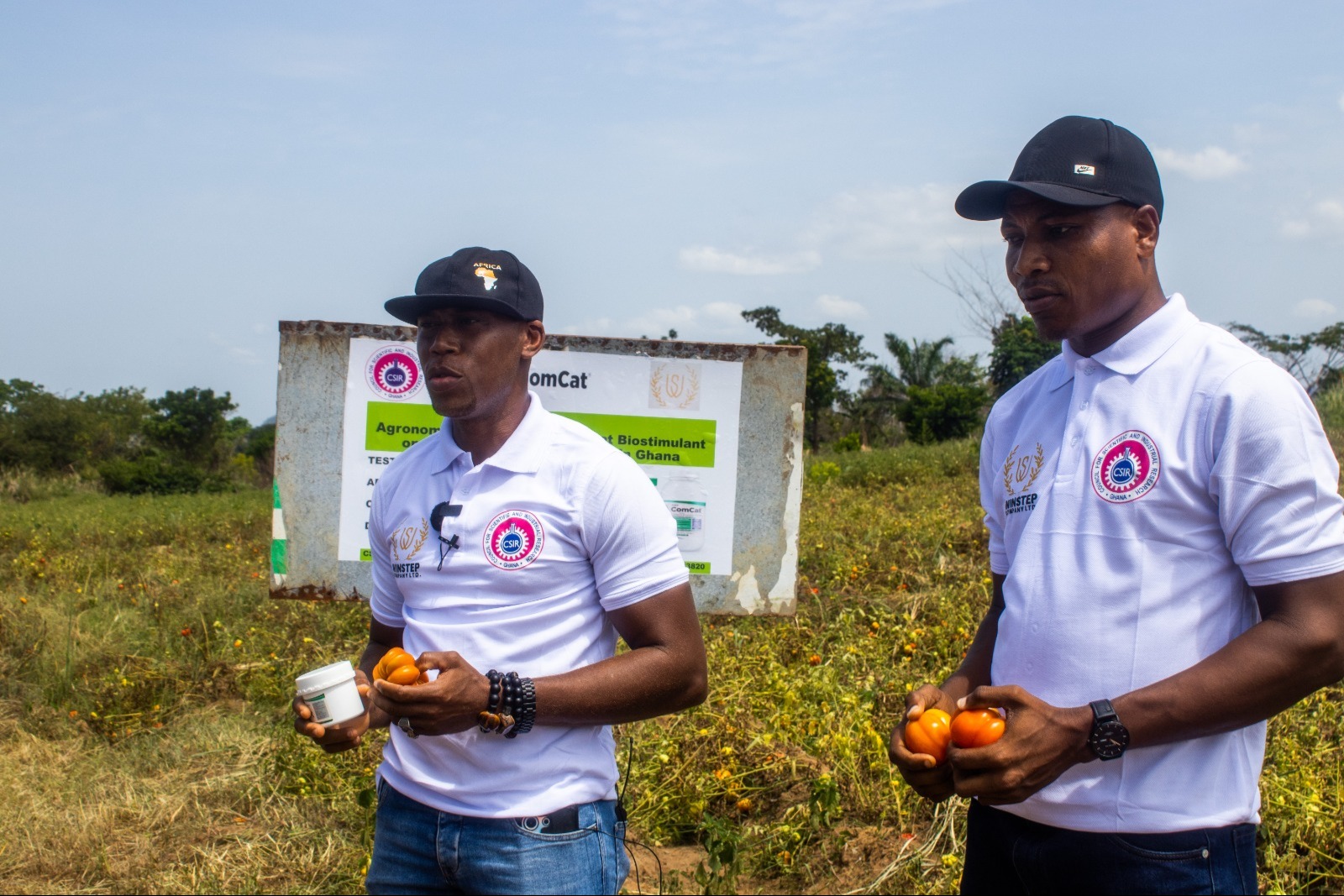
Mr Abdul Manaf Braimah, the Programme Coordinator, encouraged tomato farmers to organise themselves into cooperatives to strengthen their collective capacity and improve access to relevant government initiatives, agricultural support services, and other opportunities.
He also highlighted the potential economic benefits associated with the use of ComCat Biostimulant, including possible savings on fertiliser and crop-protection inputs.
However, the extent of any savings will depend on the research findings, recommended application practices, input requirements, and the costs incurred by individual farmers. These benefits will therefore need to be assessed against the results of the trials and the prevailing conditions under which the product is used.
Key Highlights of the Evaluation
The engagement highlighted several important areas of focus:
- Field evaluation: The performance of ComCat Biostimulant in tomato production is being assessed over two cropping seasons.
- Crop growth and resilience: The research is examining the product’s potential to support crop growth, nutrient-use efficiency, and resilience to abiotic stress.
- Good agronomic practices: Farmers received practical guidance on product application, tomato crop management, harvesting, and post-harvest handling.
- Collective action: Participants were encouraged to form cooperatives to strengthen their access to agricultural support and collective opportunities.
- Evidence-based recommendations: Claims regarding reductions in fertiliser use, including a figure of up to 40% cited in the programme report, require interpretation in line with the applicable trial results and recommendations.
According to the programme team, ComCat Biostimulant has also been evaluated or demonstrated on other crops, including rice, maize, and soybean, in addition to tomato.
Farmers Share Feedback and Recommend Further Research
Participants expressed optimism about the potential application of ComCat Biostimulant in tomato production. Some described the product as promising and recommended that further evaluations be conducted on other crops, particularly onion and pepper.
The feedback provided an opportunity for the research team and industry partner to consider farmers’ experiences and interests in identifying areas for further investigation.
Strengthening Research–Industry Collaboration for Agricultural Development
The stakeholder engagement and Farmer Field School underscored the importance of collaboration between research institutions, private-sector partners, and farmers in evaluating agricultural technologies and promoting informed decision-making.
Through its collaboration with WINSTEP Company Ltd, CSIR-CRI continues to facilitate the assessment of ComCat Biostimulant under Ghanaian field conditions, with the aim of generating reliable evidence to guide recommendations on its potential use in tomato production.
The Institute remains committed to research-driven agricultural development, stakeholder engagement, and the dissemination of scientific information that supports farmers and other actors in Ghana’s agricultural sector.
Further conclusions on the product’s effectiveness, potential input savings, and suitability for wider adoption will be guided by the results of the ongoing evaluation.